
How to Create a Family Fix-It Hour for Broken Toys and Everyday Items
- July 13, 2026
- 0
Broken objects tend to collect quietly. A toy loses a wheel, a book cover begins separating, a backpack strap comes loose, a costume tears, or a puzzle box




Broken objects tend to collect quietly. A toy loses a wheel, a book cover begins separating, a backpack strap comes loose, a costume tears, or a puzzle box
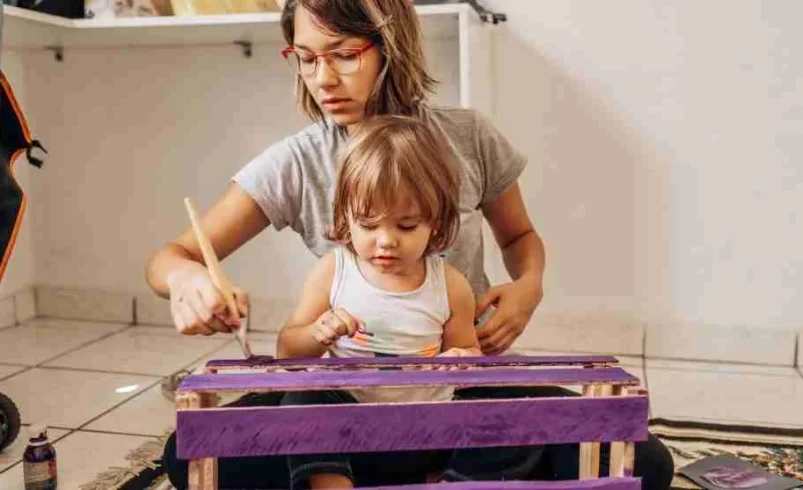
Broken objects tend to collect quietly. A toy loses a wheel, a book cover begins separating, a backpack strap comes loose, a costume tears, or a puzzle box splits at the corner. Families may place these items on a shelf with the intention of dealing with them later, only to forget them until the pile becomes clutter.
A family fix-it hour turns that neglected pile into a practical shared activity. Instead of treating every damaged item as rubbish or every repair as an adult-only task, the family chooses a few safe projects and works through them together. The point is not to create perfect repairs or train children to use dangerous tools. The activity is valuable because it teaches observation, patience, responsibility, and flexible thinking. Children begin to see that a problem can be examined before an object is replaced or discarded.
Cleanup asks children to return items to their places. Repair asks them to study what happened and decide what might help. This makes the activity feel more like a puzzle than a routine chore.
A child may need to find a missing piece, compare two types of tape, hold a fabric edge in place, or test whether a wheel turns after an adult tightens it. Each step gives the child a visible role in solving a real problem.
The result also has meaning. A repaired object can return to use. Even when a repair fails, the family learns something about materials, construction, and whether the item was designed to last.
Children may respond to damage in two opposite ways. Some become very upset and assume the item is ruined forever. Others stop caring immediately because they expect a replacement.
A repair routine offers a middle response. The family can pause, inspect the damage, and ask what options exist. The item may be repairable, reusable in a different way, or ready to be released.
This process teaches that damage does not always equal disaster, but it also does not guarantee a new purchase. The first step is investigation.
Not every household repair belongs in a family activity. Electrical problems, broken glass, sharp metal, damaged batteries, plumbing leaks, power tools, and structural repairs should remain with qualified adults or professionals.
Good family fix-it projects are low-risk and easy to supervise. Examples may include:
Adults should check every object before the session begins. Remove anything with sharp edges, leaking material, exposed wiring, unknown substances, or small parts that could be unsafe for younger children.
A family fix-it hour does not require expensive equipment. A small basket can hold the basic supplies used for simple repairs.
Possible items include masking tape, clear tape, child-safe scissors, washable cloths, fabric patches, blunt needles for supervised sewing, thread, non-toxic glue, rubber bands, string, labels, a small tray for loose parts, and a basic screwdriver used only by an adult or closely supervised older child.
Keep safety supplies nearby too. A table covering protects the surface, and a small container prevents screws, beads, and toy pieces from rolling away.
Store the repair basket out of reach when it contains tools or materials that require adult supervision.
Instead of leaving broken objects throughout the home, families can create one repair waiting box. Items go there until the next fix-it hour.
The box should have limits. It is not a permanent storage area for every damaged object. When it becomes full, the family needs to repair, repurpose, seek outside help, or discard something before adding more.
Children can place an item in the box with a short note explaining the problem. A picture label may work for younger children. This encourages them to identify what is wrong rather than simply announcing that something is broken.
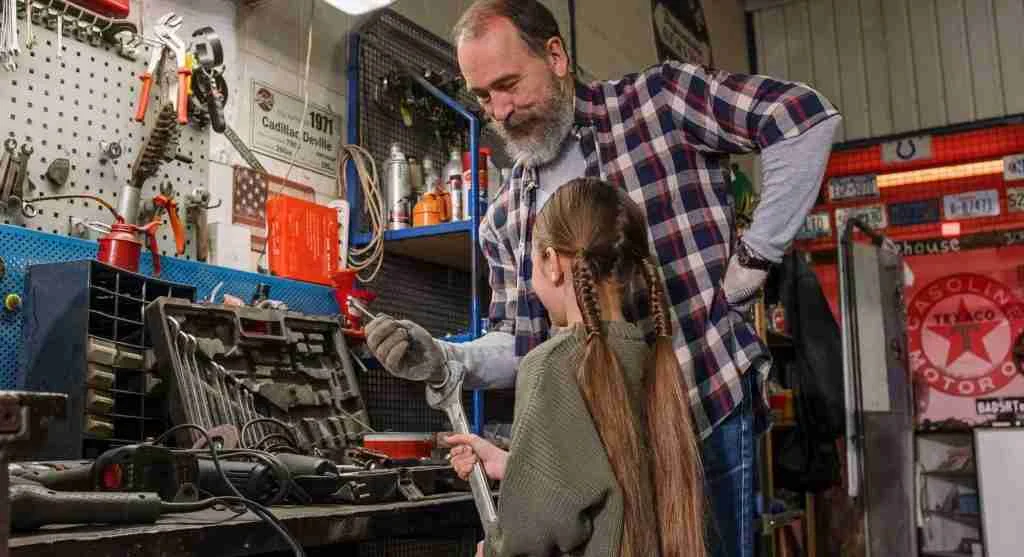
At the start of the session, place the items on the table and sort them into simple groups. One group may need cleaning. Another may need tape or glue. A third may involve sewing. Some items may need an adult to investigate further.
Sorting prevents the family from jumping randomly between projects. It also helps children notice that different materials require different solutions.
A paper tear may respond well to tape, while fabric needs stitching or a patch. Glue that works on cardboard may not hold smooth plastic. The family does not need to know every answer immediately. Part of the activity is learning to choose the right approach.
A large repair pile can create the same pressure as a long chore list. Families may begin with enthusiasm and end with half-finished items, spilled supplies, and frustrated children.
Choose one easy project and one slightly more challenging project. A quick success helps everyone settle into the activity. The second project can involve more discussion or patience.
Set a time limit of thirty to sixty minutes, depending on the children’s ages. The family does not need to empty the whole waiting box in one session.
Before touching the supplies, ask the child to examine the object. What part is loose? Is anything missing? Does the item still function? Is the problem cosmetic or does it prevent use?
Children often want to reach for tape immediately. Observation slows the process and reduces unnecessary repairs.
A simple sequence can guide the discussion:
This sequence turns the repair into a problem-solving exercise rather than a quick attempt to cover the damage.
Younger children can clean surfaces, sort parts, hold a container, choose thread colors, or test whether an item works after repair. School-age children may measure tape, read glue instructions with an adult, thread a blunt needle, or help compare repair options.
Older children can take more responsibility for low-risk tasks while adults supervise closely. They may photograph the original damage, keep track of parts, read product directions, or write a short repair label.
The child does not need to perform the most technical step to make a meaningful contribution. Careful observation and testing are important parts of repair too.
Many repairs fail because the family rushes into gluing or taping. Surfaces may be dirty, parts may not line up, or the item may be used before the repair has dried.
Children can learn to prepare the area first. This may include wiping the surface, finding all pieces, laying materials in order, measuring the patch, and checking whether the item needs time to dry.
These steps build patience. The child sees that good results often depend on quiet preparation rather than fast action.
Not every repair will work. Tape may peel away, a glued piece may not hold, or the family may discover that an important part is missing.
A failed attempt does not make the session pointless. It gives the family information. The material may be unsuitable, the damage may be larger than expected, or professional help may be needed.
Adults can model calm problem-solving by saying, “That method did not hold. What did we learn?” This keeps failure from becoming blame.
Children also learn that trying one solution does not create an obligation to keep forcing it. Sometimes the responsible decision is to stop.
Every item should leave the session with a clear status. Without a decision, half-repaired objects return to the same shelf and remain there indefinitely.
The family can use four possible outcomes:
This decision prevents the activity from becoming another form of clutter management without closure.
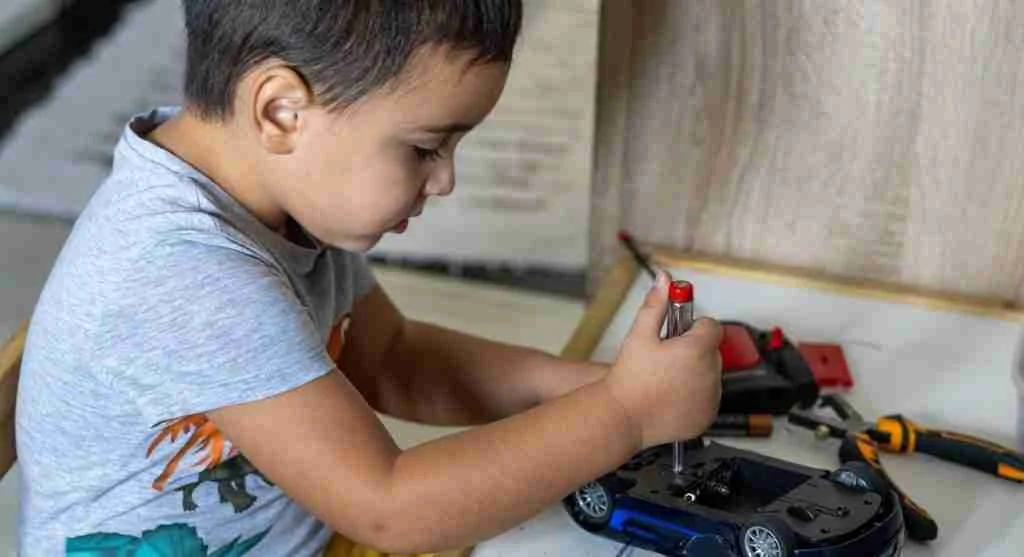
Some damage happens through carelessness, but many objects break through ordinary use. A seam weakens, cardboard bends, plastic becomes brittle, or a small part loosens over time.
If every fix-it hour turns into a lecture about cost and responsibility, children may hide damaged items rather than bring them forward.
The family can still discuss what happened and whether better care would have helped. The conversation should focus on learning rather than shame.
A useful question is, “What could protect this item next time?” The answer may involve gentler handling, a better storage place, fewer items used at once, or accepting that the object was not very durable.
Children may assume that all items should last forever or that expensive objects are always stronger. Repair gives families a chance to look at how things are made.
A toy with a thin hinge may break easily even when handled reasonably. A backpack with reinforced stitching may be easier to mend and more likely to last. A cardboard package may not be designed for long-term storage.
These observations can influence future buying decisions. The family may begin choosing items with replaceable parts, stronger materials, simpler construction, or repairable designs.
Fabric projects can be especially useful because children regularly encounter loose buttons, small holes, torn costume pieces, and frayed edges.
Young children can choose a patch or hold fabric flat. Older children may practice a basic hand stitch under supervision. The finished repair does not need to be invisible.
A visible patch can become part of the item’s story. Children may take pride in wearing or using something they helped save.
Families should keep sewing sessions age-appropriate and supervise needles carefully. Complicated repairs can be set aside for an adult or professional.
An item may no longer work for its original purpose but still have useful materials. A puzzle missing several pieces may become art material. Fabric from a damaged costume may become patches. A box may become storage after the broken lid is removed.
Creative reuse should not become an excuse to keep everything. The family should have a specific plan and use the material within a reasonable period.
A small reuse container can hold selected parts, but it should have the same space limit as the repair box. When full, something must be used or released.
Repair becomes especially meaningful when the damaged item belongs to the whole family. A game box, outdoor toy, shared book, or storage container affects several people.
Children can learn that shared use includes shared care. The person who caused the damage may take part in repair, but other family members can still contribute without turning the activity into punishment.
This approach keeps the focus on restoring the item and protecting future use.
If a new version appears immediately, the broken object loses importance and the family has little reason to investigate it. Children may begin expecting replacement before understanding whether repair is possible.
Families can use a waiting rule for non-essential items. First inspect, then attempt a reasonable repair, then decide whether replacement is necessary.
This does not mean a child must wait indefinitely for something important. It simply places thoughtful decision-making before automatic purchasing.
Children may enjoy taking a before-and-after photo or keeping a small repair notebook. The record can include the problem, the method tried, and whether it worked.
This turns separate sessions into a growing family skill. Children may notice that they are becoming better at choosing tape, aligning pieces, preparing surfaces, or knowing when to ask for help.
The record should stay simple. The activity is meant to support family life, not create extra paperwork.
Some families hold onto objects because they have already spent time trying to save them. Repeated repair attempts can cost more time and materials than the item is worth.
Stop when the object is unsafe, repeatedly fails, requires unavailable parts, or no longer serves a useful purpose. Letting go can be a responsible outcome.
Children can help say goodbye to an item by identifying what they liked about it or what the family learned from trying to repair it. This provides closure without treating every discarded object as a failure.
The activity does not need to happen every week. Once a month, at the end of a school term, or whenever the repair box becomes full may be enough.
Keep the tone practical and curious. A simple snack, music in the background, and a short time limit can help the session feel like shared family work rather than a punishment.
Over time, children may begin bringing problems forward with new language: “Can this go in the repair box?” or “I think we need a fabric patch.” That change shows growing responsibility before any tool is used.
Q: What can children safely repair during a family fix-it hour?
A: Children can help with low-risk projects such as loose book covers, cardboard boxes, simple fabric tears, toy cleaning, missing game parts, and supervised non-electrical repairs.
Q: How long should a family fix-it hour last?
A: Thirty to sixty minutes is usually enough. Shorter sessions work well for younger children and help prevent unfinished projects from becoming frustrating.
Q: What tools should children be allowed to use?
A: Tool use should match the child’s age and happen under direct supervision. Child-safe scissors, tape, cloths, and simple sorting materials are good starting points.
Q: What if the repair does not work?
A: Treat the attempt as useful information. The family can try another safe method, seek outside help, reuse the item differently, or discard it responsibly.
Q: How can families stop broken items from piling up?
A: Use one limited repair waiting box and require every item to end with a clear decision: repaired, waiting for a specific step, needing outside help, or ready to be released.
A family fix-it hour gives children a practical way to learn patience, care, problem-solving, and responsible decision-making. The activity works best with safe projects, simple supplies, clear roles, and a firm limit on how many items are attempted. Not every object will be saved, but every repair can teach children to examine a problem before expecting replacement or throwing something away.