7 Boredom Myths That Make Parents Feel Responsible for Constant Entertainment
July 13, 2026
0
“I’m bored” can make parents feel as though something has gone wrong. The child has toys, books, art supplies, outdoor space, or several possible activities, yet still expects
“I’m bored” can make parents feel as though something has gone wrong. The child has toys, books, art supplies, outdoor space, or several possible activities, yet still expects an adult to create a plan. The complaint may appear during weekends, school breaks, waiting periods, or the quiet hour between one family activity and the next. Many adults respond by offering a long list of choices. When every suggestion is rejected, frustration rises. Parents may begin believing they are responsible for keeping children interested throughout the day or that boredom is a sign of poor planning.
Most boredom is not an emergency. It is an uncomfortable gap between stimulation and self-directed engagement. Children may need time to notice the feeling, search for an idea, tolerate a slow beginning, and create momentum without immediate adult direction. This does not mean children should be ignored for hours or that every bored child will suddenly invent something brilliant. It means families can question common childhood boredom myths that turn ordinary downtime into unnecessary pressure.
Why boredom can feel harder for children than adults expect
Adults often have a mental list of unfinished tasks, hobbies, messages, and responsibilities. Children may have plenty of materials but less experience deciding how to use open time. They may also be accustomed to school schedules, organized activities, digital entertainment, and adult-led plans.
When that structure disappears, the child must create the next step. This requires initiative, decision-making, imagination, and patience. Those skills are still developing, so the first response may be discomfort rather than creativity. The phrase “I’m bored” can also mean several different things. A child may want company, feel tired, miss a friend, need movement, or feel overwhelmed by too many choices. Parents can listen for the underlying need without taking full responsibility for solving every empty moment.
Myth 1: A bored child needs an immediate activity
Parents often treat boredom like hunger or physical discomfort: something that should be fixed quickly. They begin listing games, crafts, chores, outings, and screen options before the child has had time to think. Immediate rescue can accidentally teach children that the first feeling of emptiness should always be removed by someone else. The child never reaches the stage where personal ideas begin forming.
A calmer response may be, “It sounds like you have not found your next activity yet.” The parent can acknowledge the feeling and allow a short pause. Some children need several minutes of wandering, looking, or doing very little before an idea appears. If support is needed, one or two broad prompts are often enough. The child might choose between making something, moving the body, reading, helping, or going outside. The adult does not need to design the entire activity.
Myth 2: Boredom means the home does not have enough toys
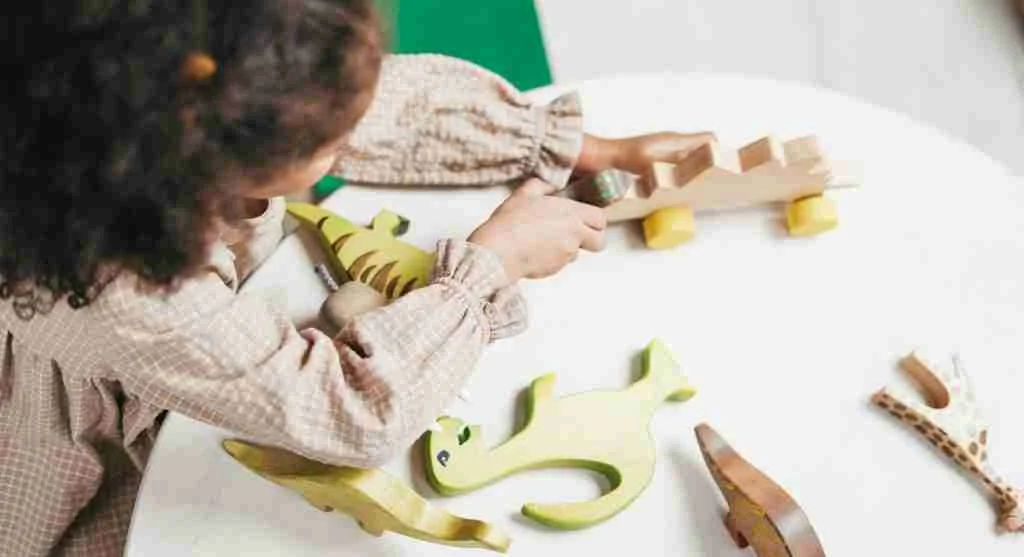
Families sometimes respond to frequent boredom by buying more. New toys create temporary excitement, but a larger collection does not automatically create deeper play. Too many options can make choosing harder. A crowded shelf may hide useful materials, and children may move rapidly from one item to another without becoming fully involved in any of them.
Simple, flexible materials often support longer engagement than highly specific toys. Paper, tape, boxes, building pieces, fabric scraps, chalk, containers, and reusable craft supplies can serve many purposes because the child decides what they become. Rotating a small number of toys can also renew interest without adding more belongings. Items stored away for several weeks may feel fresh when they return.
Myth 3: Productive children should always be doing something useful
Adults may accept boredom only when it quickly becomes reading, practicing a skill, cleaning, or completing an educational activity. Quiet staring, slow wandering, or arranging objects without an obvious result can look wasteful. Not every valuable childhood moment produces a finished product. Children may be thinking, noticing, replaying an experience, or allowing ideas to develop. Unstructured time often looks inactive before it becomes meaningful.
Constant pressure to be productive can make children believe that every part of the day must prove its value. Rest, imagination, and playful experimentation may begin feeling less acceptable than visible achievement. Responsibilities still matter, but downtime does not need to justify itself through a measurable outcome.
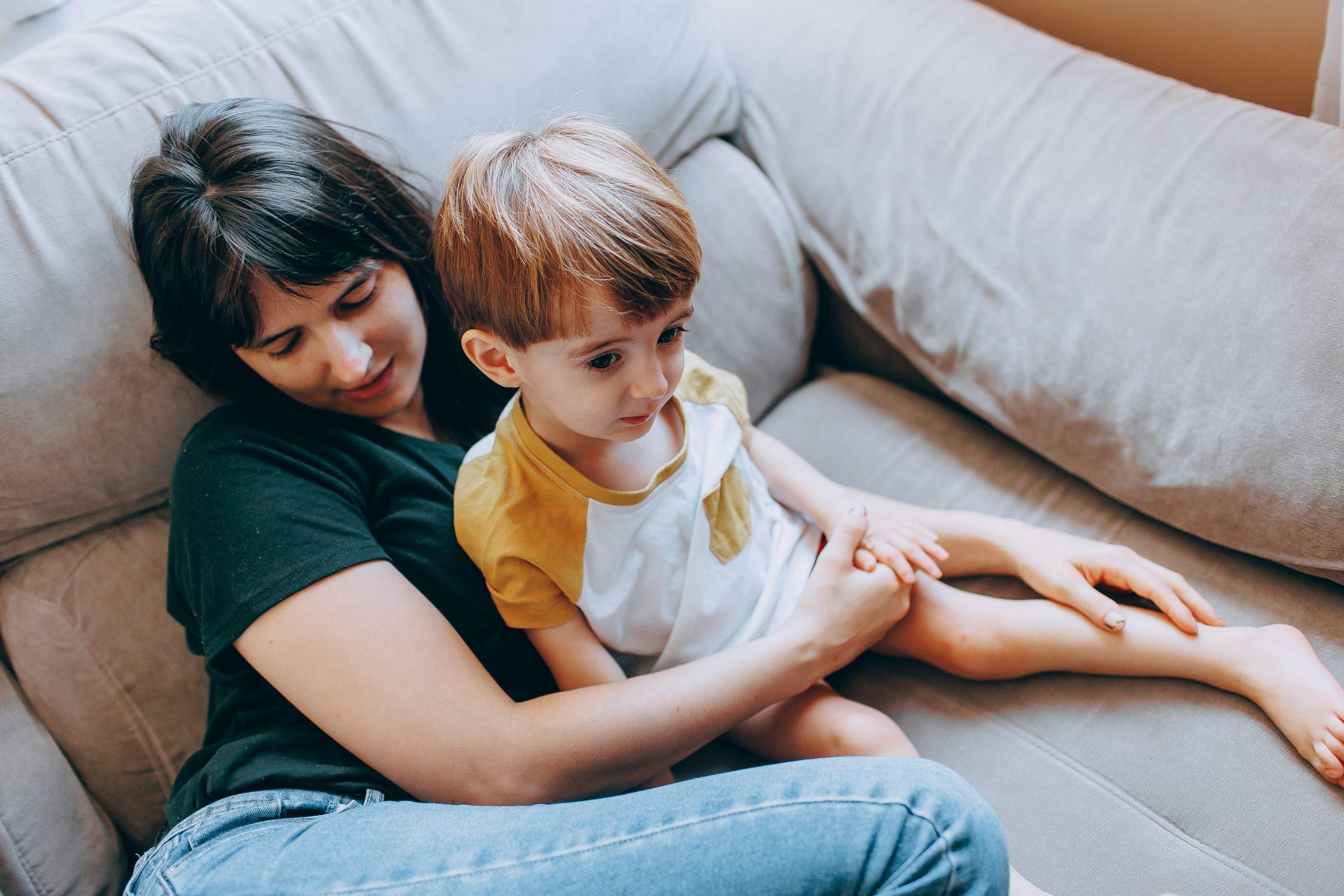
Credit:cottonbro studio / Pexels | A curious toddler lost in thought
Myth 4: Children who complain about boredom are being ungrateful
A child can appreciate toys, family opportunities, and a comfortable home while still feeling bored. Boredom is a temporary state, not a complete judgment about life. Responding with “You have so much, so you should not be bored” may add guilt without helping the child understand what to do next. The child may stop saying the word but still lack the skill of moving through the feeling independently.
Parents can separate gratitude from boredom. The family can expect children to care for belongings and appreciate experiences while also accepting that familiar options sometimes feel uninteresting. A more useful response focuses on choice: “You do have several things available. You may need time to decide what you want to use.”
Myth 5: Offering more choices always makes boredom easier
When a child rejects one idea, parents often provide five more. The conversation becomes a long menu of possibilities, with the child saying no to each one. Too many choices can increase mental overload. The child may also shift from solving boredom to evaluating the parent’s suggestions. Instead of asking, “What can I do?” the child begins asking, “Which adult idea sounds exciting enough?”
Families can reduce the number of choices. A parent might say, “You can choose something from the activity shelf, go outside, or help me with what I am doing.” Then the adult can return to the original task. The child may continue complaining for a while. That does not mean the limit failed. The child may simply be moving through the uncomfortable part before making a decision.
Myth 6: Screens are the easiest harmless solution to boredom
Digital entertainment can be enjoyable and can have a reasonable place in family life. The problem appears when every unplanned moment automatically leads to a screen. Fast access to highly stimulating content can make slower activities feel less appealing at first. Drawing, building, reading, or outdoor play usually requires the child to create momentum. A video or game provides momentum immediately.
If screens become the standard response to boredom, children get fewer chances to practice beginning something on their own. They may also start requesting devices during every pause, car ride, waiting period, or quiet part of the day. Families do not need to ban screens to protect unstructured time. They can create clear screen windows and allow other parts of the day to remain open, even when the child initially dislikes the gap.
Myth 7: Independent play should happen naturally without teaching
Parents may hear that boredom supports creativity and then expect children to manage long periods alone immediately. When the child continues asking for help, adults may assume the child is dependent or unwilling. Independent activity is a skill. Some children need a gradual beginning, especially if they are young, highly social, accustomed to organized schedules, or unsure how to enter play.
A parent may spend five minutes helping set up blocks, begin a drawing challenge, or gather outdoor materials. The adult can then step away while the child continues. Over time, the amount of support can decrease. The difference between support and full entertainment is ownership. Support helps the child begin. Full entertainment keeps the adult responsible for the activity from start to finish.
What parents can say when a child announces boredom
The first response can shape what happens next. Long lectures usually create resistance, while an immediate list of activities can return responsibility to the adult.
Short responses may work better:
“Boredom feels uncomfortable, but you can work through it.”
“You have not found your idea yet.”
“Would you like one starting suggestion or time to think?”
“You may join what I am doing, or choose your own activity.”
“Screens are not available right now, but the rest of your choices are open.”
The tone matters. The child should not hear that boredom is shameful. The message is simply that the adult will not turn every quiet moment into a custom entertainment plan.
Create an environment that supports self-directed activity
Children are more likely to use open time well when materials are visible, reachable, and easy to put away. Supplies hidden in complicated containers may technically exist but remain difficult to begin using.
A simple activity area may include paper, washable drawing tools, building materials, puzzles, books, reusable craft items, and a few open-ended toys. Outdoor items might include chalk, balls, buckets, magnifying tools, or a safe place to dig and collect natural materials.
The space does not need to look like a classroom. It only needs to reduce the number of steps between having an idea and beginning it.
Use an idea bank without turning it into a command list
Some children benefit from a written or picture-based collection of possible activities. The family can create the list together during a calm moment rather than while the child is already complaining.
Ideas may include building a blanket shelter, making a paper game, listening to an audiobook, creating a small obstacle course, drawing a map, writing a comic, organizing a collection, watering plants, or inventing a snack plate with adult approval.
The list should remain optional. Its purpose is to remind children of ideas they already enjoy, not to create another schedule that adults must enforce.
Allow children to join ordinary adult work
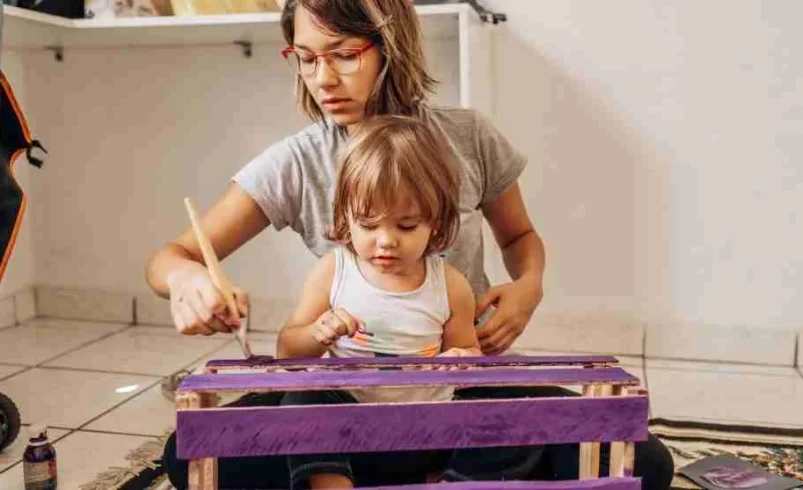
Parents do not always need to stop household tasks to entertain a bored child. The child can sometimes join what is already happening. Cooking, sorting laundry, watering plants, organizing a drawer, washing a bicycle, or preparing items for an outing can provide activity and connection. The task may not feel like entertainment at first, but participation often creates conversation and purpose.
The parent can offer the option without making it sound like a punishment: “I am preparing vegetables. You may help me, or you may choose something else.” This teaches that family life includes both self-created play and shared practical work.
Credit:cottonbro studio / Pexels | Kids helping with household chores
Expect the transition away from constant stimulation to take time
A child who is used to frequent entertainment may not respond positively when the pattern changes. Complaints may become louder before independent activity improves.
This does not necessarily mean the new approach is harmful. The child may be testing whether enough complaining will restore the old routine. Consistency gives the child a chance to discover that open time can be managed differently.
Parents can begin with short periods rather than an entire afternoon. Fifteen or twenty minutes of screen-free, self-directed time may be enough at first. As the child becomes more capable, the period can grow naturally.
Know when boredom may be covering another need
Not every bored child simply needs more patience. Sometimes the complaint is a signal. A child may feel lonely, physically tired, hungry, worried, or unable to begin because the available choices feel overwhelming.
Patterns offer useful clues. If boredom appears mainly after school, the child may need recovery. If it appears whenever a sibling leaves, the child may be missing companionship. If every independent task ends quickly, the child may need help developing attention or choosing activities that fit current abilities.
Parents can respond to the underlying need without becoming permanent entertainment. A snack, brief connection, smaller choice, or short period of shared activity may help the child become ready for more independence.
When boredom becomes a family conflict pattern
Some households repeat the same cycle: the child complains, the parent offers ideas, the child rejects them, and the parent becomes angry. Eventually, a screen or outing ends the conflict.
The family can interrupt this pattern by deciding on a response in advance. Parents might acknowledge the feeling, offer one level of support, and then stop negotiating.
For example: “I can help you choose one starting point, but I will not keep suggesting activities.” This creates a clear boundary and prevents the conversation from expanding into a long argument.
How boredom tolerance supports later independence
Adults regularly face unstructured time, slow tasks, waiting, and periods when motivation does not appear immediately. People must often begin before they feel interested.
Children practice this ability when they move through boredom without instant rescue. They learn to wait for an idea, try something that may not be exciting at first, and change direction when an activity does not work.
These are small forms of independence. The child is not only learning how to fill time. The child is learning that discomfort can be temporary and that personal action can change an unsatisfying moment.
Frequently Asked Questions
Q: Is boredom good for children?
A: Ordinary boredom can give children opportunities to practice initiative, creativity, patience, decision-making, and independent activity. It does not need to be created constantly, but it also does not need immediate removal.
Q: Should parents suggest activities when a child is bored?
A: Parents can offer limited support, such as one prompt or a few broad choices, without taking full responsibility for planning the child’s time.
Q: Why does my child reject every boredom suggestion?
A: The child may be overwhelmed by choices, seeking adult attention, hoping for screen access, or expecting the parent to create a more exciting plan.
Q: How can children become better at independent play?
A: Begin with short periods, provide reachable open-ended materials, offer brief help starting, and gradually step back as the child becomes involved.
Q: When can boredom signal a deeper problem?
A: Closer attention may help when boredom appears with persistent sadness, major loss of interest, severe attention difficulties, social withdrawal, or inability to engage in activities across settings.
Key Takeaway
Childhood boredom does not automatically mean children need more toys, screens, activities, or adult entertainment. It often marks the difficult space between being stimulated and creating personal direction. Parents can acknowledge the feeling, offer limited support, and allow children time to choose, begin, adjust, and persist. Through these ordinary pauses, children gradually build creativity, patience, and confidence in managing their own time.