Why Children Ask for Screens Right After School and What Experts Notice
- May 26, 2026
- 0
Many families notice that children ask for screens right after school, sometimes before shoes are off or backpacks are unpacked. A child may walk in the door and


Many families notice that children ask for screens right after school, sometimes before shoes are off or backpacks are unpacked. A child may walk in the door and
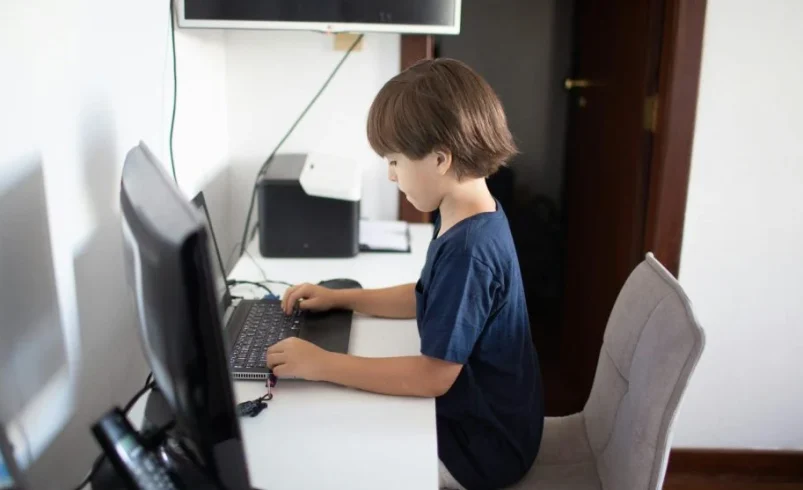
Many families notice that children ask for screens right after school, sometimes before shoes are off or backpacks are unpacked. A child may walk in the door and immediately ask for a tablet, television, phone, or gaming device. This pattern can quickly create stress because adults may worry about homework, routines, or too much screen use, while the child seems focused only on getting a device as fast as possible.
Family experts often explain that when children ask for screens right after school, the request is not always only about entertainment. In many cases, the child is tired, overstimulated, or looking for a fast way to shift out of the demands of the school day. Understanding why children ask for screens right after school can help families build calmer digital habits at home without turning every afternoon into an argument.
A school day uses a great deal of mental energy. Children spend hours listening, following instructions, changing tasks, managing social situations, and staying organized. By the time they get home, many want something that feels easy, familiar, and rewarding right away. Screens often offer exactly that.
Child development specialists often note that children ask for screens right after school because screens require less effort than many other afternoon tasks. The child does not need to plan much, explain much, or transition into another demanding routine. This can make screen use feel very attractive during the most tired part of the day.
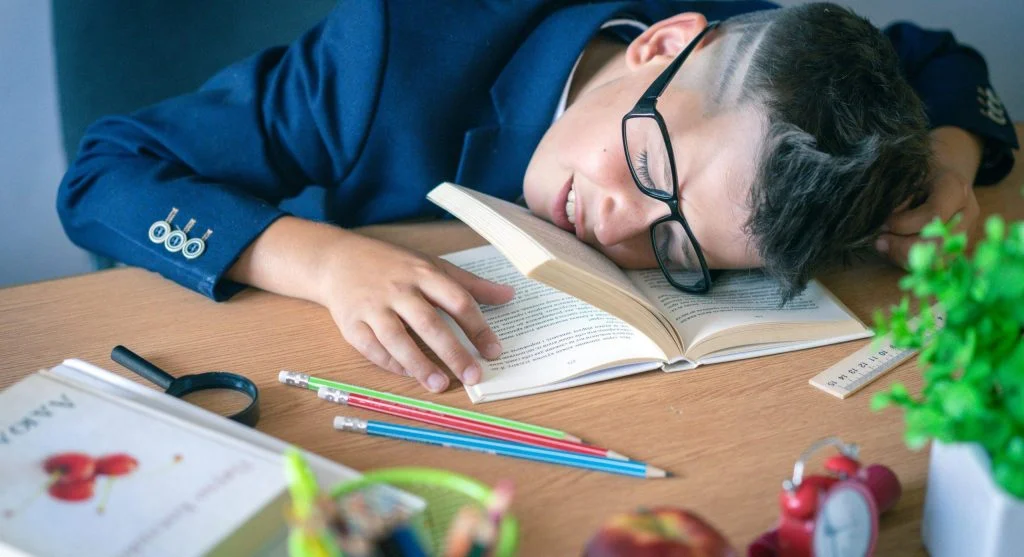
Fatigue after school does not always look like obvious exhaustion. Some children become loud and restless. Others get quiet, irritable, or emotionally sensitive. In any of these states, a screen may seem like the fastest path to comfort because it feels predictable and easy to access.
Experts in family wellness often explain that children ask for screens right after school because the brain is looking for recovery. A device may feel like a break from expectations, social pressure, and decision-making. Adults may see only the screen request, but the deeper need may be rest and regulation.
The move from school to home is a real transition, even when it happens every weekday. Children are leaving one set of rules and entering another. That shift can feel difficult, especially if the afternoon quickly includes homework, chores, sibling activity, or several adult questions all at once.
Family therapists often explain that children ask for screens right after school because screens can act like a simple bridge out of that transition. The device offers immediate focus and a break from the effort of adjusting. This does not always mean screens are the best answer. It means the request often points to a transition need families may want to understand more clearly.
Children often connect the end of school with whatever usually happens next. If screens are frequently the first after-school activity, the request may become stronger over time because the child begins expecting that pattern. The request then feels less like a random preference and more like a learned routine.
Experts in digital habits at home often note that children ask for screens right after school more often when the family does not yet have a clear after-school structure. Without a predictable routine, the child may default to the most appealing option available. A stronger routine often lowers the emotional intensity of the request even before adults answer it.
Children differ in temperament, energy, and sensory needs. Some come home needing movement, conversation, and food before they can settle. Others need quiet and lower stimulation. A child who asks intensely for screens may be especially drawn to the predictable structure, fast reward, or emotional escape that devices provide.
Child behavior experts often explain that children ask for screens right after school for different reasons depending on the child. One child may be bored. Another may be socially drained. Another may simply want control over the first part of the afternoon. Looking at the child’s wider pattern usually helps more than assuming every screen request means the same thing.
Family experts often notice that after-school routines work better when they meet the child’s real needs before conflict grows. This may include a snack, water, unpacking the bag, ten quiet minutes, or a short movement break before any screen decision is made. When children feel more regulated, they often respond better to family expectations around devices.
Experts in after-school routines often explain that children ask for screens right after school less intensely when the afternoon has a known structure. Predictable steps reduce the sense that the child must fight for the screen immediately. The family is not only saying no or yes. The family is shaping the whole transition in a steadier way.
Many adults respond to the screen question with immediate frustration because they hear it as entitlement or defiance. Yet a sharper tone often makes the request feel even more loaded. A calmer response usually works better, especially when paired with one clear next step such as snack first, shoes away first, or a short break first.
Family communication specialists often note that children ask for screens right after school less contentiously when adults keep the answer brief and consistent. Long debates can turn a routine request into the center of the whole afternoon. Calm structure often protects the family’s digital habits better than repeated emotional arguments.
Most families do not solve after-school screen conflict in one day. Progress often happens through small repeated changes. The child may still ask, but the request may become calmer. The after-school reset may become more familiar. The routine may begin to feel less like a fight and more like a normal sequence.
Family experts often explain that children ask for screens right after school less intensely over time when their actual needs are noticed and the family response stays steady. Stronger digital habits usually grow from routine design, not from one strong lecture. Over time, that often helps afternoons feel calmer for both children and adults.
Q: Why do children ask for screens right after school?
A: Children often ask for screens right after school because they are mentally tired, overstimulated, or looking for a fast and familiar way to recover from the school day.
Q: Does asking for screens after school always mean a child is addicted to devices?
A: Not always. In many cases, the request reflects fatigue, habit, or transition difficulty rather than a more serious digital problem.
Q: What helps reduce after-school screen conflict?
A: A predictable after-school routine with food, a short reset, clear expectations, and calm adult responses often helps reduce after-school screen conflict.
Q: Should children ever have screens after school?
A: Families make different choices, but many experts recommend placing screens inside a clear routine instead of letting them become the first automatic step after pickup.
Children ask for screens right after school for reasons that often include fatigue, overstimulation, and the need for a fast transition out of school-day demands. Family experts usually recommend calmer after-school routines that meet the child’s needs before the screen conflict becomes the center of the afternoon. Clear structure often helps more than repeated arguments. Over time, this can support healthier digital habits at home and calmer family routines.