Why Children Suddenly Care More About Their Belongings and Personal Space
June 7, 2026
0
Families often notice a quiet shift as children grow. A child who once shared toys freely or barely cared where personal things were kept may suddenly become much
Families often notice a quiet shift as children grow. A child who once shared toys freely or barely cared where personal things were kept may suddenly become much more protective. The child may want a sibling to stay out of a drawer, get upset when someone moves a favorite object, or start caring more about how a bedroom, desk, shelf, or backpack is handled.
To adults, this can look like pickiness or territorial behavior. Yet child development experts often explain that when children care more about their belongings and personal space, the change often reflects healthy growth. Children are beginning to build a stronger sense of self, clearer boundaries, and a deeper feeling of what belongs to them. Understanding this stage can help families support independence without turning ordinary family life into daily conflict.
Why This Shift Often Appears During Normal Development
As children grow, they become more aware of themselves as separate people. They start noticing preferences more strongly, caring more about privacy, and feeling more ownership over their choices and possessions. This does not happen all at once, but for many children it becomes much more visible during the school years.
Child development specialists often note that personal space and personal belongings become emotionally important because they support identity. A child begins to think more clearly about what feels like “mine,” what feels comfortable, and what helps create a sense of control. That is why changes around ownership often become stronger as children mature.
How Belongings Become Part of Identity
Adults often see children’s belongings as simple objects. Children may experience them much more personally. A favorite pencil case, book, stuffed animal, collection, blanket, or drawing folder may feel connected to comfort, memory, or personal taste. When someone else moves, borrows, or handles that object carelessly, the child may feel more affected than adults expect.
Experts in emotional growth often explain that children care more about their belongings because those belongings can start representing personality and stability. The object is not always valuable in an adult sense, but it may carry real meaning in the child’s inner world.
Why Personal Space Starts to Matter More
Personal space is not only about bedrooms or desks. It can include a seat at the table, one shelf, one drawer, one section of a room, or even a preferred way of arranging items. Children often become more aware of this as they grow because they are developing stronger boundaries between their own inner world and the people around them.
Family therapists often explain that when children want more control over personal space, they are often practicing autonomy. The child is saying, in a developing way, “I exist as my own person, and some parts of life feel better when I can shape them.”
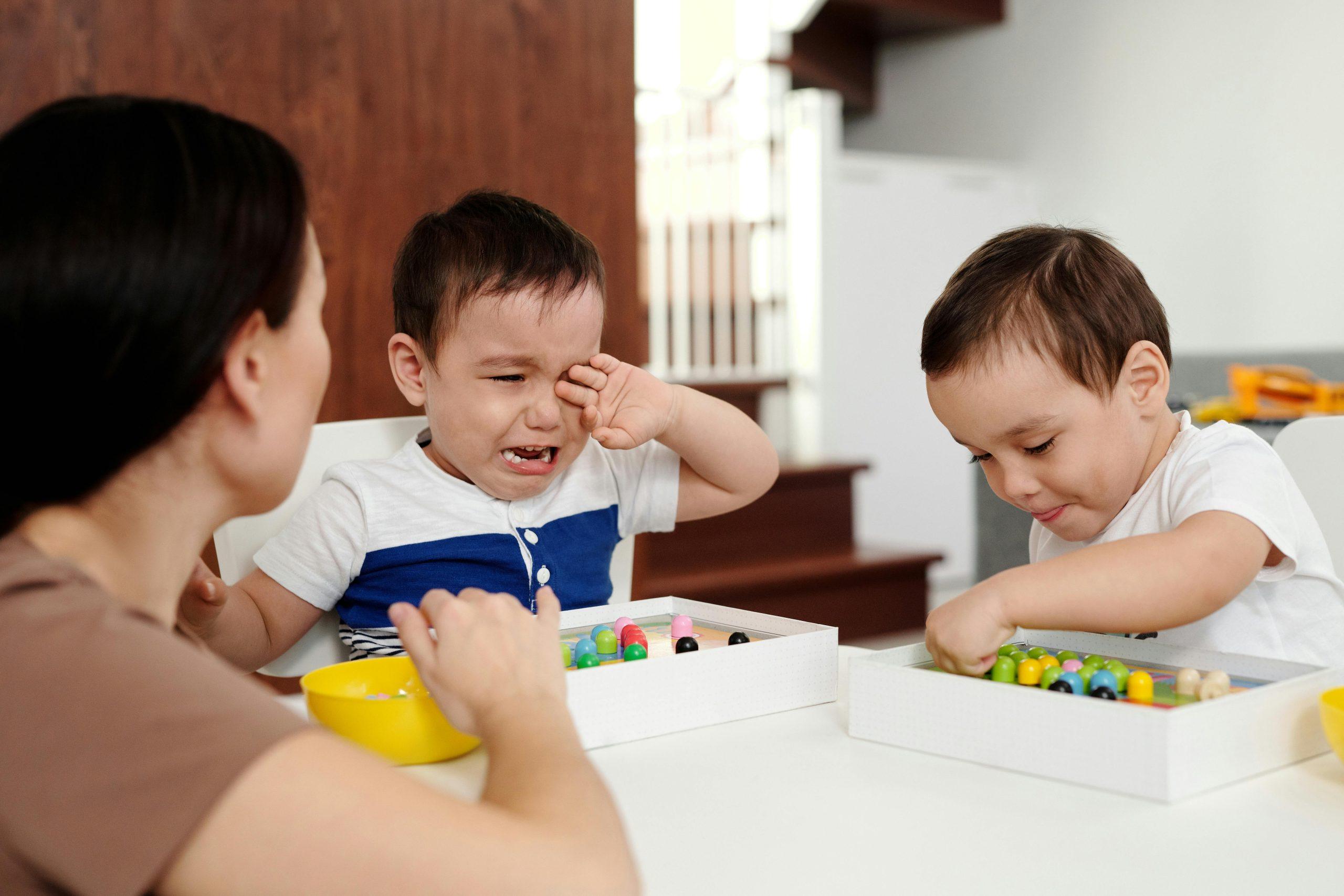
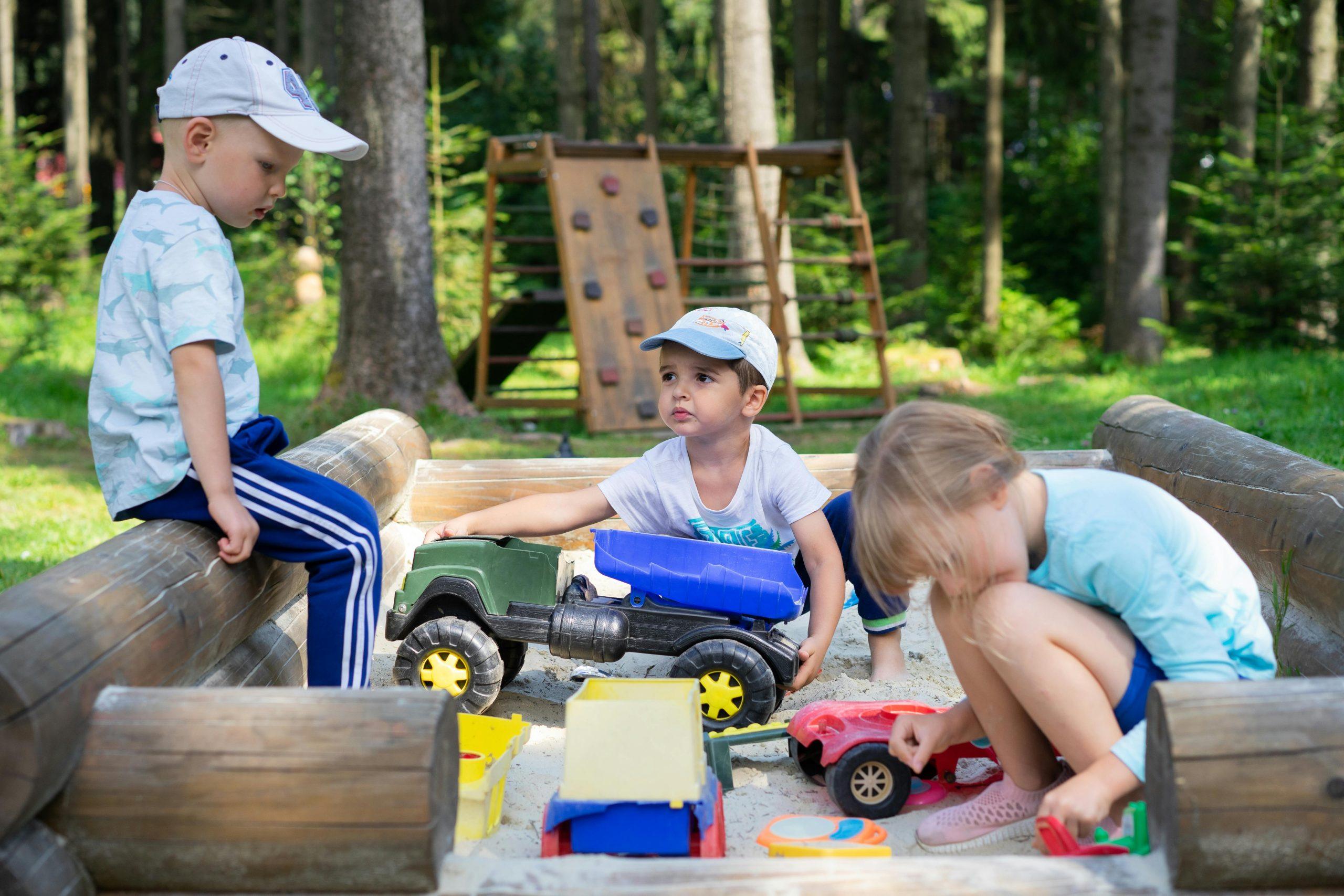
In homes with siblings, this shift can become much more noticeable. A child may react strongly if a brother or sister borrows clothing, uses school supplies, touches a toy collection, or sits in a preferred spot. The issue may not only be the item itself. The child may feel that personal boundaries are being crossed.
Experts in family relationships often note that sibling life provides constant practice with ownership and negotiation. This means it also creates many chances for children to discover how much personal space and belongings matter to them. In that way, siblings often make developmental changes louder and easier to see.
How Privacy and Possession Begin to Connect
As children grow, privacy and possessions often start to feel linked. A child may not only care about keeping an object safe, but also about choosing who sees it, touches it, or knows about it. This can happen with journals, craft projects, collected items, school papers, or even favorite clothing.
Child development experts often explain that stronger ownership can be part of a broader move toward privacy. The child is not necessarily becoming secretive in a negative way. The child may simply be learning that some thoughts, items, and spaces feel personal and deserve more control.
Why This Stage Can Look Like Selfishness From the Outside
Parents sometimes worry when a child becomes less willing to share or more protective of personal things. It can sound selfish when the child says no quickly or reacts strongly to a sibling touching something. In many cases, though, the child is not becoming less caring overall. The child is becoming more aware of boundaries.
Family wellness professionals often explain that children can learn generosity and boundaries at the same time. A child who wants certain items respected is not always refusing kindness. The child may still be learning the difference between healthy ownership and inflexible control.
What Family Experts Often Notice Helps Most
Family experts often recommend taking the child’s growing sense of ownership seriously without giving total control over everything. It helps when adults recognize that a drawer, box, shelf, or corner can matter emotionally, even if it seems minor. That respect often reduces power struggles because the child feels understood rather than dismissed.
Experts also often recommend creating clear family rules about shared items and personal items. When children know what is communal, what must be asked about first, and what belongs to one person alone, daily conflict often drops. Clarity helps children relax because they do not need to defend everything all the time.
How Parents Can Support Boundaries Without Creating Rigidity
Support usually works best when families allow some personal space while also teaching flexibility. A child may have one shelf that stays private, one box for special items, or one bedroom rule about asking before borrowing. At the same time, the child can still learn that shared family living involves compromise, respect, and cooperation.
Experts in parenting through stages often explain that the goal is not to remove all tension around space and belongings. The goal is to help children practice boundaries in a healthier way. That means the child learns both “this is mine” and “I live with others respectfully.”
It is common for children to grow more protective of space and belongings, especially during school-age development. Still, patterns matter. If the child becomes highly distressed by ordinary sharing, reacts with extreme fear when objects are moved, or seems unable to manage any flexibility at all, families may want to look more carefully at stress, emotional load, or the broader environment around the child.
Professionals who work with families often encourage adults to look at the full pattern rather than only the single behavior. The question is not just whether the child wants more control. It is also whether the child still feels safe, connected, and able to adapt when needed.
How This Stage Can Strengthen Confidence Over Time
When handled well, this stage often supports confidence and maturity. A child who learns how to care for personal belongings, speak up about boundaries, and manage personal space respectfully is building useful life skills. These skills can later support organization, self-respect, responsibility, and healthy relationships.
Family experts often explain that children care more about their belongings and personal space not because they are moving away from family, but because they are developing a stronger self within it. That is an important step in growing up. When adults guide it calmly, this stage can become a healthy part of independence rather than a source of daily struggle.
Frequently Asked Questions
Q: Why do children suddenly care more about their belongings?
A: Children often care more about their belongings as they grow because those items begin to feel tied to identity, comfort, and a stronger sense of ownership.
Q: Is it normal for children to want more personal space?
A: Yes, wanting more personal space is common during development as children build stronger boundaries, preferences, and independence.
Q: Does this stage mean a child is becoming selfish?
A: Not usually. In many cases, it reflects growing self-awareness and boundary development rather than a lack of care for others.
Q: How can parents handle conflict over personal belongings?
A: Parents often help most by setting clear rules for shared and personal items, respecting reasonable boundaries, and teaching children how to communicate ownership calmly.
Key Takeaway
When children start caring more about their belongings and personal space, the change often reflects healthy development in identity, boundaries, and independence. Families usually help most by respecting reasonable ownership, setting clear shared rules, and guiding children toward flexible but healthy boundaries. Over time, this stage can support stronger confidence and more mature self-management at home.