Why Children Forget Instructions Between School and Home and What Often Helps
June 7, 2026
0
Many families have the same frustrating moment after school. A child was told to bring home a signed paper, ask about tomorrow’s special event, pack a library book,
Many families have the same frustrating moment after school. A child was told to bring home a signed paper, ask about tomorrow’s special event, pack a library book, or remember a message from the teacher. Yet by the time the child gets home, the instruction has disappeared. Parents may assume the child did not care, was not paying attention, or simply ignored what was said.
Family experts often explain that when children forget instructions between school and home, the issue is usually bigger than effort alone. The school day uses memory, attention, social energy, and emotional control all at once. By dismissal time, many children are carrying more mental strain than adults can easily see. Understanding why this gap happens can help families support follow-through without turning every forgotten detail into conflict.
Why the Trip From School to Home Is Such a Weak Point for Memory
Instructions given at school often have to survive several transitions before they reach home. A child may hear something in class, finish the day, manage hallway movement, find the right pickup routine, shift into the car or bus, and then enter a home environment with new expectations. That is a long distance for one instruction to travel in a young mind.
Child development specialists often note that memory works best when information is connected quickly to action. If a child hears a teacher’s reminder but cannot act on it right away, the instruction has to compete with many other thoughts. The longer that gap lasts, the easier it becomes for the message to fade.
How School-Day Fatigue Affects After-School Memory
Adults often expect children to remember important details most reliably at the end of the day. In reality, that is often when children are mentally weakest. They may still look energetic, but many are already low on attention, patience, and working memory. The day may have included lessons, peer interactions, behavior expectations, and many small transitions.
Experts in child learning often explain that working memory is sensitive to overload. A child may genuinely intend to remember a form, book, or message, but once the day has stacked too many demands together, the last instruction may not hold. Forgetting can then look personal when it is often developmental and situational.
Why Spoken Instructions Often Disappear Fastest
Some information is handed to children physically, such as a worksheet or folder. Other information is only spoken out loud. Spoken reminders can vanish very quickly because they leave no visual trail behind. A child may fully hear the instruction and still lose it once something else captures attention.
Family therapists often explain that spoken instructions are especially vulnerable during busy school moments. If the teacher gives a reminder while students are packing up, cleaning up, or thinking about going home, the child may not have enough quiet mental space to hold onto the message for later.
Children do not leave school carrying academics alone. They also leave with feelings. A friendship issue, embarrassing classroom moment, argument at recess, or worry about tomorrow can take up a large amount of mental space. In that situation, an instruction about returning a form may not stay near the top of the mind for long.
Experts in emotional development often explain that memory and feeling are closely linked in children. If the child is emotionally busy, practical instructions may be easier to lose. The forgotten item may not be the true problem. The real issue may be that the child was already carrying too much mentally by the time school ended.
Why Some Children Forget More Than Others
Not all children handle transitions in the same way. Some move from one setting to another smoothly and keep details in mind fairly well. Others struggle more with task shifting, organization, or the pressure of holding several steps in mind at once. Age, temperament, attention style, and school demands can all influence how often memory breaks down.
Experts in family routines often note that repeated forgetting does not automatically mean a child is careless. It may mean the child needs more visible support, fewer mental steps, or a routine that carries the load more clearly than memory alone can manage.
What Often Helps More Than Repeated Verbal Reminders
Families often respond to forgetting by saying the same thing more often and with more force. While this is understandable, repeated verbal pressure does not always improve memory. In many cases, it raises frustration while leaving the child with the same underlying challenge.
Home organization experts often recommend external supports instead. Visual cues, one school paper station, a backpack reset routine, and simple written reminders often help more because they remove pressure from memory and place the information where the child can actually see it later.
Why After-School Routines Can Protect Important Details
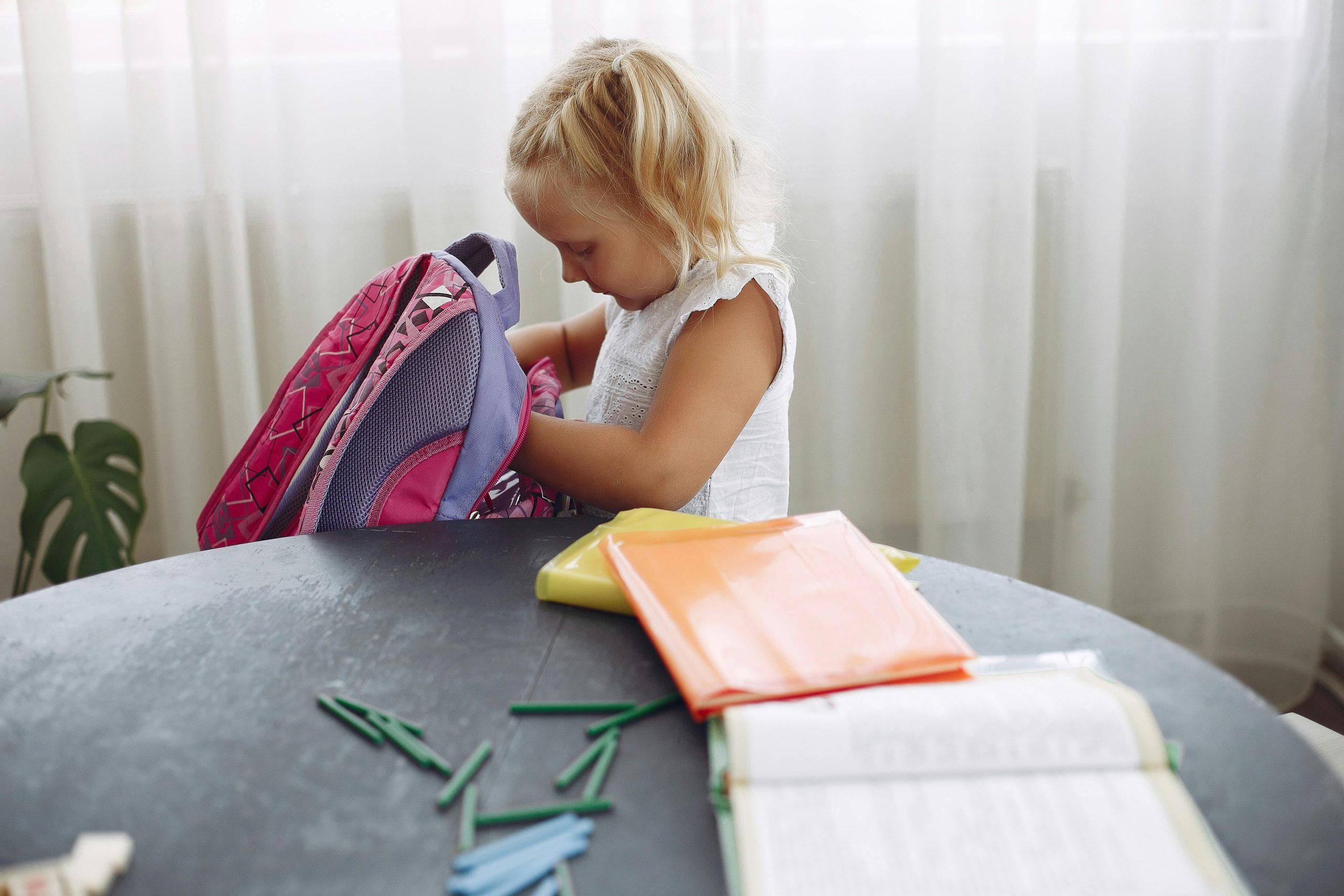
One of the strongest ways to reduce forgotten school instructions is to create one repeated arrival routine. If the child always unpacks in the same place, sorts papers right away, and empties the backpack before free time, important details are more likely to surface before they get buried. The routine does some of the remembering for the child.
Family wellness professionals often explain that structure helps because it turns a vague task into a visible action pattern. The child may not remember every instruction independently, but the routine creates several chances to catch what school sent home.
What Parents Can Say Without Adding More Pressure
Parents usually help most when they treat forgotten instructions as a problem to solve rather than a personal failure to punish. A calm question such as “What could help that message get home next time?” often works better than a frustrated speech. This shifts the focus from blame to support.
Experts in family communication often note that children respond better when adults sound curious rather than accusing. Many children already feel bad when they realize something was forgotten. A calmer response helps them stay engaged in solving the problem instead of shutting down emotionally.
How Memory Support Can Build Independence Over Time
Some adults worry that supports such as checklists, paper stations, or unpacking routines will make children dependent. In many cases, the opposite is true. These systems help children practice the same skills in a more successful way. Over time, children often begin remembering more because the environment has taught the pattern repeatedly.
Child development specialists often explain that independence usually grows from structure, not from being left alone with tasks that are still too hard to manage internally. Good support is not a crutch. It is often the bridge that helps children build stronger follow-through later.
Frequently Asked Questions
Q: Why do children forget instructions between school and home?
A: Children often forget because the end of the school day includes mental fatigue, transitions, emotional distractions, and too much information competing for memory.
Q: Does forgetting always mean a child was not paying attention?
A: Not always. Many children hear the instruction clearly but lose it later because working memory becomes overloaded before they can act on it.
Q: What helps children remember school information better?
A: Visual supports, backpack reset routines, one paper station, and simple repeated after-school habits often help more than repeated verbal reminders alone.
Q: How should parents respond when important school instructions are forgotten?
A: Parents often help most by staying calm, looking at what support was missing, and building a clearer routine instead of focusing only on blame.
Key Takeaway
Children often forget instructions between school and home because memory has to survive a tired, transition-heavy part of the day. Families usually make more progress by improving routines and visibility instead of relying only on verbal reminders or frustration. A simple after-school system can reduce forgotten details and make school follow-through easier over time. Strong support often leads to stronger independence later.