Why Children Start Comparing Themselves to Others During the School Years
June 3, 2026
0
Many parents notice that children start comparing themselves to others during the school years, sometimes in ways that seem sudden. A child may begin saying that a classmate
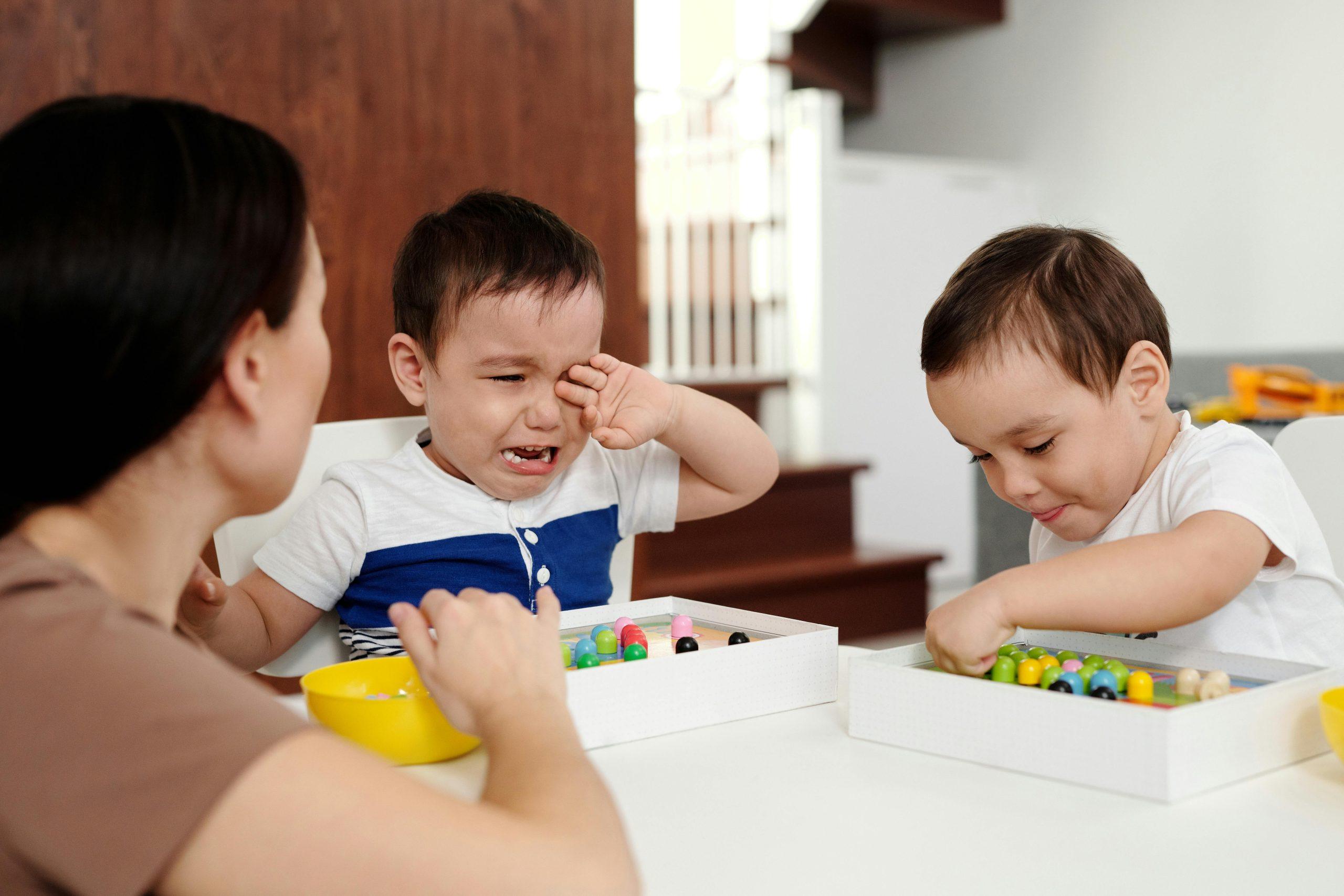
Many parents notice that children start comparing themselves to others during the school years, sometimes in ways that seem sudden. A child may begin saying that a classmate reads better, runs faster, draws better, or has more friends. These comparisons can show up around school work, sports, appearance, behavior, and everyday social life. What once seemed like simple confidence can start sounding more self-conscious and uncertain.
Child development experts often explain that when children start comparing themselves to others, this usually reflects a normal part of growing up rather than a sign that something is going wrong. School-age children become more aware of differences, more reflective about personal strengths, and more sensitive to where they fit among peers. Understanding why children start comparing themselves to others can help families support confidence without dismissing the child’s feelings.
Why children start comparing themselves to others during normal development
As children grow, they become better at noticing details and patterns in the world around them. During the early school years, they begin to see more clearly that not everyone learns, plays, talks, or succeeds in the same way. This increased awareness naturally leads to comparison. A child who did not think much about differences before may suddenly notice who finishes first, who gets praised, or who seems more confident.
Researchers in child development milestones often note that comparison is part of how children build a clearer sense of self. They begin to understand who they are partly by observing how they are similar to and different from others. This is one reason children start comparing themselves to others more noticeably once school and peer settings become a bigger part of daily life.
How school settings make comparison more visible
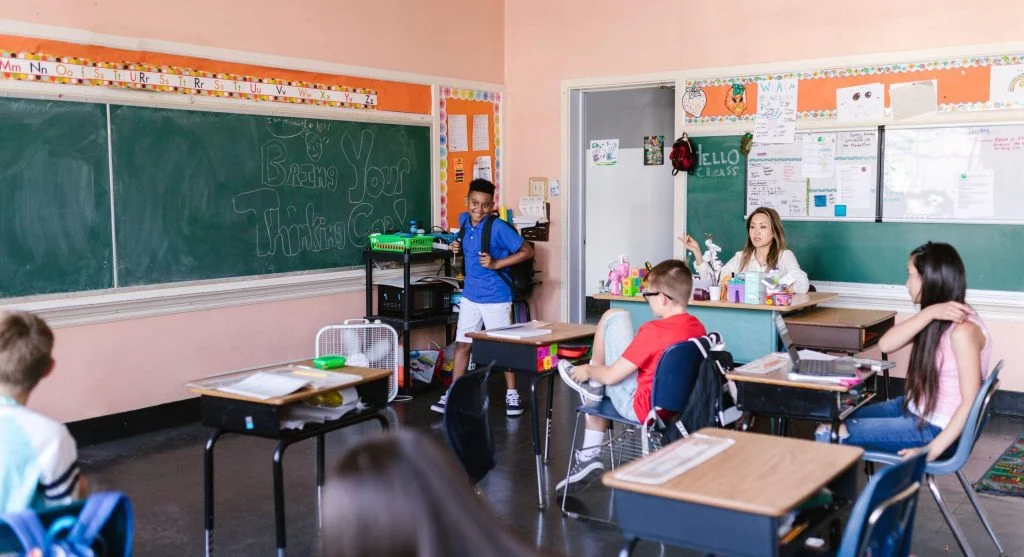
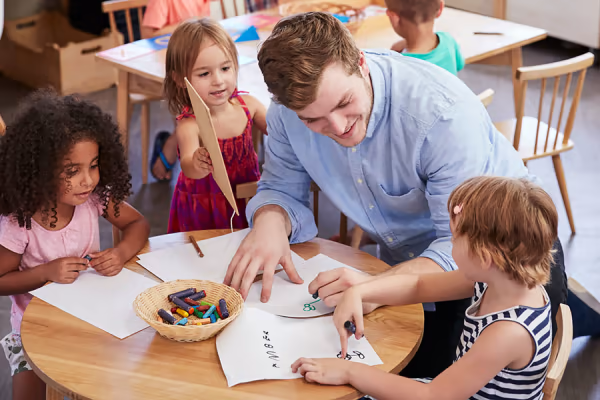
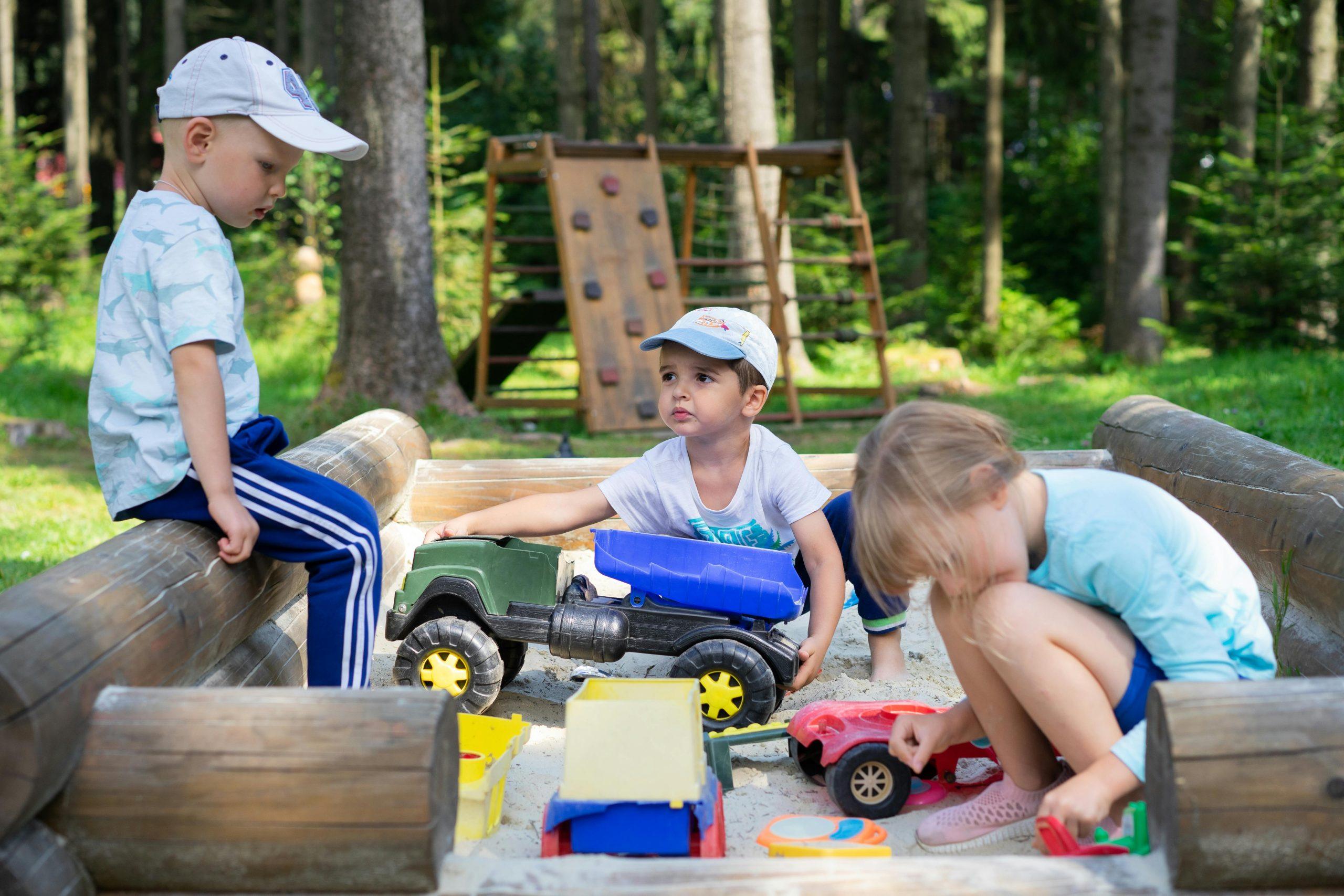
School puts children in a setting where they regularly see many peers working on the same tasks at the same time. They notice who reads out loud smoothly, who finishes math first, who has strong handwriting, and who seems to make friends easily. Even when teachers are supportive, the child is still surrounded by visible examples of different strengths and challenges.
Family therapists often explain that children start comparing themselves to others more often in school because group environments make differences easier to see. At home, a child may not notice skill gaps as clearly. In a classroom or team setting, those differences can feel much more obvious and emotionally important.
Why children start comparing themselves to others around confidence
Comparison often grows stronger when children begin caring more about how they are doing. A child who wants to feel capable may look around to judge personal success. This can happen in healthy ways, but it can also create worry if the child starts believing that every difference means falling behind.
Experts in emotional growth often note that children start comparing themselves to others when self-esteem becomes more connected to performance and peer feedback. The child is not only noticing what others can do. The child is also asking, sometimes silently, what those differences mean about personal worth or ability.
Children do not always talk about comparison directly. Some become discouraged and say they are not good at anything. Others become frustrated quickly when a task feels hard. Some may avoid activities where they fear they will not measure up. Parents may hear comments that sound small on the surface, but those comments can reflect deeper worries about ability or belonging.
Child behavior specialists often explain that children start comparing themselves to others in ways that can shape mood, effort, and confidence across the day. A child who feels “less than” in one area may carry that feeling into homework, family routines, or conversations at home, even if the original comparison happened hours earlier.
Why children compare different areas of life, not only school
Comparison does not stay limited to grades or classroom tasks. Children may compare clothing, birthday parties, toys, athletic ability, friendships, appearance, or how much freedom another child seems to have. As awareness grows, many parts of life can become part of the comparison pattern.
Family wellness professionals often note that children start comparing themselves to others because peers become more emotionally important during the school years. The child may be trying to understand status, belonging, and what counts as normal. This can make even ordinary differences feel much bigger than adults expect.
What family experts often recommend when comparison starts increasing
Family experts often recommend listening first instead of rushing to dismiss the comparison. Adults sometimes respond with quick reassurance such as “Do not say that” or “You are just as good,” but children may need more than a simple correction. It often helps to understand what the child is really noticing and what feeling sits underneath the comparison.
Experts in family communication often explain that children start comparing themselves to others less painfully when adults respond with calm curiosity. A response such as “That sounds like it bothered you” or “What made that stand out to you?” can help the child feel understood before the conversation moves toward support.
How parents can support confidence without denying reality
Children usually know when adults are avoiding the truth. If a classmate really does run faster or read more easily, pretending otherwise may not help. A stronger response often includes both honesty and perspective. The child can learn that people have different strengths and that skill grows over time with practice and support.
Child development professionals often note that children start comparing themselves to others less harshly when adults help them separate personal worth from one specific skill. A child may not be best at something right now and still be capable, valued, and growing. This kind of support often protects confidence more effectively than empty praise.
How comparison can become healthier over time
Comparison is not always harmful. In some cases, it helps children notice goals, discover interests, and understand that skills can improve. The problem usually begins when the comparison becomes constant, rigid, or tied too closely to self-worth. Families can help by teaching children to notice differences without turning those differences into fixed judgments about themselves.
Experts in child confidence often explain that children start comparing themselves to others in more balanced ways over time when adults help them focus on effort, growth, and personal progress. A child can learn to admire another person’s skill without concluding that there is no room to grow personally.
When families may want to watch the pattern more closely
It is common for comparison to appear sometimes, especially during middle childhood. Still, patterns matter. If the child seems persistently discouraged, stops trying, becomes unusually anxious about performance, or talks harshly about the self very often, families may want to pay closer attention. The concern is usually not that comparison exists, but that it is beginning to shape self-worth too strongly.
Professionals who work with families often encourage adults to look at the full picture. Children start comparing themselves to others as part of normal development, but they also need help keeping those comparisons in perspective. Supportive conversations, steadier routines, and attention to confidence can make a real difference over time.
Frequently Asked Questions
Q: Why do children start comparing themselves to others?
A: Children start comparing themselves to others because school-age development brings stronger self-awareness, peer awareness, and a growing interest in how they fit among others.
Q: Is comparison normal during the school years?
A: Yes, comparison is very common during the school years, especially as children spend more time in group settings where differences in skills and social life are easier to notice.
Q: How can parents help when a child compares too much?
A: Parents often help by listening calmly, naming the feeling, keeping perspective, and focusing on growth, effort, and personal strengths instead of only on competition.
Q: Does comparison always hurt confidence?
A: Not always. Comparison can become useful when it helps children notice goals and growth, but it can hurt confidence if it becomes too constant or tied to self-worth.
Key Takeaway
Children start comparing themselves to others during the school years because self-awareness, peer awareness, and confidence are all developing at the same time. Family experts usually recommend listening calmly, keeping perspective, and helping children focus on growth instead of fixed judgments about themselves. Comparison is often a normal part of development, but children still need support using it in healthier ways. Over time, that support can protect confidence and emotional growth.