How to Plan a Family Skill-Swap Afternoon Where Everyone Teaches One Small Thing
July 18, 2026
0
Family activities are often organized around one person leading while everyone else follows. An adult explains the craft, chooses the game, gives the cooking instructions, or decides how
Family activities are often organized around one person leading while everyone else follows. An adult explains the craft, chooses the game, gives the cooking instructions, or decides how the outing will work. Children participate, but they are rarely placed in the role of the person with knowledge worth sharing.
A family skill-swap afternoon changes that pattern. Each person chooses one small ability to teach the others. A child may demonstrate how to fold a paper airplane, draw a favorite animal, remember a dance step, organize trading cards, or use a shortcut in a board game. An adult may teach how to sew on a button, prepare a simple snack, tie a useful knot, or care for a household plant.
The activity does not require anyone to be an expert. The skill only needs to be safe, manageable, and simple enough to practice within a short lesson. By the end, family members have not only learned several new things. They have also experienced one another as teachers, beginners, problem-solvers, and patient helpers.
Why teaching can feel different from simply showing
Children frequently show adults things they enjoy. They display a drawing, perform a move, explain a game character, or point out something interesting. Teaching requires an additional step.
The child must slow down, identify the important parts, decide what comes first, and notice whether the learner understands. A skill that feels automatic suddenly has to be explained clearly.
This process develops more than confidence. It encourages sequencing, communication, perspective-taking, and patience. The child begins to understand that knowing how to do something is different from knowing how to help another person learn it.
The activity gives quieter strengths more visibility
Family strengths are not always equally noticeable. Athletic ability, academic success, and outgoing conversation may receive attention quickly. Other skills remain hidden because they happen quietly.
One child may be excellent at arranging small spaces. Another may remember song rhythms, build balanced structures, braid hair, identify bird calls, or create funny voices for stories. These abilities may not appear during ordinary family routines.
A skill swap gives each person a defined moment to contribute. The family sees that useful knowledge can come from many places and that a small skill can still be worth learning.
Choose skills that fit a short lesson
The most successful lessons can be introduced and tried within ten to fifteen minutes. A large project may require too much waiting, setup, or correction.
Good options include:
Folding a simple paper shape
Drawing one object with basic lines
Making a no-cook snack
Tying a basic knot
Performing a short rhythm
Doing a simple card trick
Learning a greeting in another language
Organizing books by a chosen method
Creating one hairstyle or braid
Remembering a short sequence with a memory trick
Avoid skills that require dangerous tools, complicated ingredients, long drying periods, or equipment that only one person can use at a time.
Help children make their choice without choosing for them
Some children immediately know what they want to teach. Others believe they do not know anything special. Parents can help by asking about ordinary tasks rather than talents. “What do you do easily that someone else in the family finds difficult?” may produce better ideas than “What are you good at?”
A child might know how to pack a sports bag, find a favorite book quickly, build a strong block bridge, make a paper fortune teller, or calm a nervous pet. The skill does not need to impress visitors. It only needs to give the child something real to explain. Parents should offer prompts but leave the final selection with the teacher whenever possible.
Create a simple lesson card
A small planning card can prevent the teaching moment from becoming confusing. Each person writes or draws three parts:
What the skill is
What materials are needed
The two or three main steps
Younger children can dictate while an adult writes. They may also draw pictures of the steps.
The card is not a script. It is a reminder that helps the teacher stay organized when everyone is watching.
The activity becomes harder to repeat when it requires shopping, decorating, and a full day of setup. Use materials already available whenever possible.
Each person can place supplies in a tray, basket, or bag before the activity begins. This prevents the lesson from stopping while someone searches for scissors, paper, string, or ingredients.
Preparation should support the teaching, not become the main project. A family skill swap works best when the focus remains on interaction rather than presentation.
Choose an order that protects attention
Several quiet lessons in a row may make active children restless. Several physical lessons can leave everyone tired before the final person teaches.
Alternate styles when possible. A drawing lesson might be followed by a movement skill, then a food-related task, then a memory game.
Younger children may benefit from teaching early because waiting can reduce enthusiasm. A child who feels nervous may prefer to go second rather than first or last.
The family does not need to create a competition for the best position. The order should simply help everyone remain involved.
Give each teacher a clear time limit
A ten- or fifteen-minute limit keeps the afternoon moving and prevents one person from turning a small skill into a long lecture.
The teacher can use the time in three parts:
Two or three minutes to demonstrate
Five to eight minutes for everyone to try
Two minutes for questions or a second attempt
A time limit also protects children from feeling they must produce a perfect lesson. Their job is to introduce one skill, not deliver professional instruction.
Let the teacher demonstrate before others begin
Family members may become excited and start copying before the teacher has finished explaining. This can make the child feel ignored or rushed.
Set a simple rule: watch the full demonstration first, then try. The teacher should be able to show the completed action once without everyone talking over the explanation.
Afterward, learners can ask one or two clarifying questions. This gives the child a real experience of leading the group.
Adults should behave like genuine beginners
Adults may understand the skill quickly and begin improving it, correcting instructions, or offering a faster method. This can quietly take control away from the child.
During a child-led lesson, adults should follow the demonstrated method first. They can ask for help, make an ordinary mistake, and allow the child to correct them respectfully.
This reversal can be powerful. Children see that adults do not already know everything and that asking for help is a normal part of learning.
Do not perform helplessness for praise
There is a difference between being a beginner and pretending to be unable to understand. Exaggerated failure may feel mocking rather than supportive.
Adults can make honest attempts and respond naturally. If the skill is easy, they can still ask the child what detail matters most or what mistake beginners usually make.
The goal is to take the child seriously as a teacher, not create a performance around the child’s competence.
Teach children how to correct learners kindly
A child may become impatient when someone does not follow the steps correctly. The child might grab the material, say “No, not like that,” or redo the work for the learner.
Before the activity, give everyone a few useful teaching phrases:
“Try this part again.”
“Watch where my hands go.”
“You are close. Move this piece slightly.”
“Would you like me to show it one more time?”
“That method is different, but it may still work.”
These phrases help children guide without shaming or taking over.
Allow more than one successful result
Some skills have one correct safety rule but many acceptable outcomes. Paper airplanes may fly differently. Drawings may not match. Snacks may be arranged in several ways.
The teacher should identify which parts are essential and which parts allow personal choice.
This prevents the lesson from becoming a demand that everyone copy one exact result. It also teaches that instruction can provide structure while leaving room for creativity.
Make safety rules belong to the adult
Children may lead the lesson, but adults remain responsible for safety. Food allergies, hot surfaces, sharp objects, small choking hazards, and physical movement all require adult review.
If a skill needs close supervision, the adult can state the safety boundary before the child begins. This avoids interrupting the lesson repeatedly.
Unsafe ideas should be replaced with a simpler version. A child who wants to teach cooking may demonstrate assembling a cold snack rather than using heat.
Do not score the lessons
Ranking the clearest teacher, most useful skill, or best final result can change the tone quickly. Family members may begin choosing impressive skills rather than meaningful ones.
A skill swap works best as shared learning, not a contest. Everyone contributes a different kind of knowledge, and no lesson needs to defeat another.
The family can still notice strengths. One person may explain clearly, another may demonstrate slowly, and another may encourage beginners well. These observations can be shared without choosing a winner.
Include family members with different abilities
Not every person will be able to complete every physical or detailed task in the same way. A good lesson includes adaptations.
A standing movement can have a seated version. A detailed craft can use larger pieces. A written memory activity can be spoken aloud. A child with limited patience may teach one step instead of three.
The aim is participation, not identical performance. Family members can learn the main idea even when their final results differ.
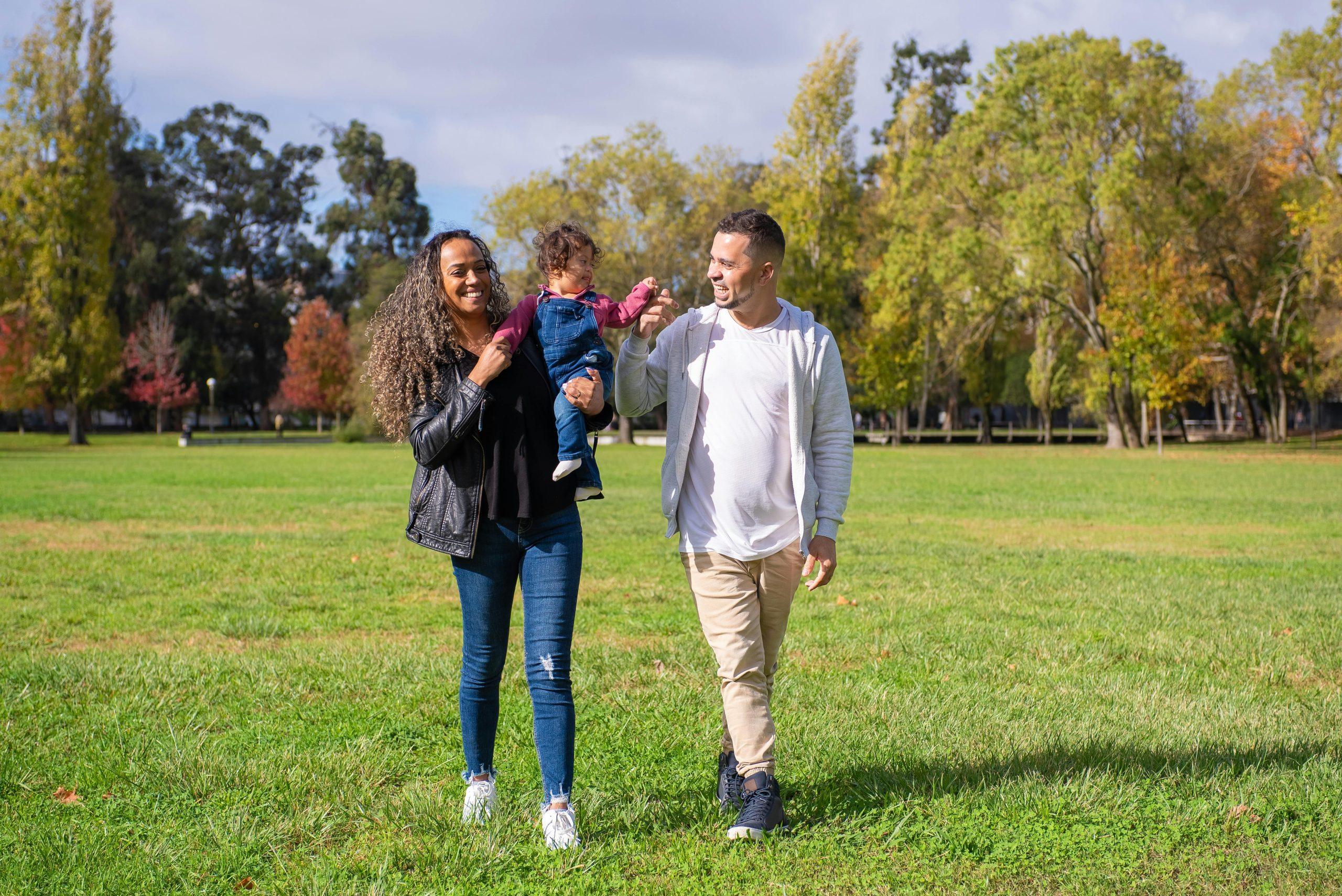
Credit:Angela Roma / Pexels | Kids teaching family members a new skill
Use a reset when frustration appears
A lesson may not work smoothly. Materials tear, a learner misunderstands, or the teacher forgets a step. These moments are part of the activity.
The family can use a brief reset: pause, identify the problem, and choose whether to demonstrate again, simplify the step, or move on.
A parent might say, “The string keeps slipping. What could make this step easier?” This keeps the focus on the problem rather than blaming the teacher or learner.
Let the teacher decide when the lesson is complete
Adults may want to extend a good lesson into a larger project. A child teaches one drawing, and the parent suggests making a full book. A simple snack becomes a request to prepare lunch for everyone.
Expansion can happen later if the child is interested. During the skill swap, respect the original size of the lesson.
Finishing while energy remains protects the child’s positive memory of teaching.
End with reflection rather than general praise
“That was fun” is pleasant but does not help family members notice what made the activity meaningful.
Ask each person to complete three short statements:
“One thing I learned was…”
“One teacher helped me by…”
“One skill I might try again is…”
These responses highlight specific learning and teaching behaviors. They also give quieter family members a structured chance to speak.
Keep a family skills page
After the afternoon, the family can record the skills that were shared. A simple notebook page may list the teacher, skill, and date.
This is not meant to become a formal achievement chart. It creates a reminder of what family members can help one another do.
Later, a child may ask the person who taught the knot for another demonstration, or a parent may request help remembering the drawing technique.
Use the activity once rather than turning it into an obligation
A successful afternoon does not need to become a weekly event. Repeating it too frequently may create pressure to keep inventing lessons.
The family can try it again when several people have new ideas, during a school break, on a rainy day, or when relatives visit.
Keeping the activity occasional preserves its sense of discovery. It remains a special chance to exchange knowledge rather than another routine everyone must complete.
Variations for larger families
In a larger household, everyone teaching individually may take too long. Family members can work in pairs or create two activity stations.
One pair may teach a movement skill while another teaches a quiet table activity. The groups switch after a short period.
Another option is to spread the lessons across two afternoons. The important part is that each person receives a real teaching turn rather than being rushed through a crowded schedule.
Variations for relatives who live far away
A skill swap can also happen through a video call. A grandparent may demonstrate a family recipe step, a cousin may teach a card game, or a child may show how to draw a favorite character.
Choose skills that are easy to see through the camera and send a short materials list beforehand.
Remote lessons may need more verbal explanation because the teacher cannot physically adjust materials. This creates another useful communication challenge.
What children may learn beyond the skill itself
The visible result may be a paper shape, snack, knot, drawing, dance step, or organized shelf. The deeper learning often happens in the interaction.
Children discover that teaching requires preparation. They learn that people need different amounts of time, that instructions may need to be reworded, and that mistakes do not mean someone is incapable.
They also experience adults listening to them seriously. That experience can strengthen the child’s sense of contribution within the family.
Frequently Asked Questions
Q: What is a family skill-swap afternoon?
A: It is a shared activity in which each family member teaches one small, safe skill that others can learn or practice within a short period.
Q: How long should each family lesson last?
A: Ten to fifteen minutes usually works well. The lesson should include a demonstration, a short practice period, and time for one or two questions.
Q: What can young children teach?
A: Young children can teach a simple drawing, movement, song rhythm, sorting method, paper fold, pretend game, or another familiar task with adult planning help.
Q: Should families choose the best teacher?
A: No. Ranking can turn shared learning into competition. It is better to notice different strengths such as patience, clear demonstration, creativity, and encouragement.
Q: What if a child says they have no skill to teach?
A: Ask about everyday tasks the child finds easy, favorite activities, games, collections, crafts, routines, or knowledge that other family members may not have.
Key Takeaway
A family skill-swap afternoon gives children and adults equal opportunities to teach, learn, make mistakes, and ask for help. The activity works best when each lesson is small, materials are simple, time limits are clear, and no one is ranked. By treating everyday abilities as knowledge worth sharing, families can uncover hidden strengths and create a more balanced form of connection.