Why Frustration Tolerance Matters in Early Childhood Development
- April 10, 2026
- 0
How well a young child deals with being frustrated is a really important piece of growing up, and it shows you what they’ll do when something doesn’t happen


How well a young child deals with being frustrated is a really important piece of growing up, and it shows you what they’ll do when something doesn’t happen
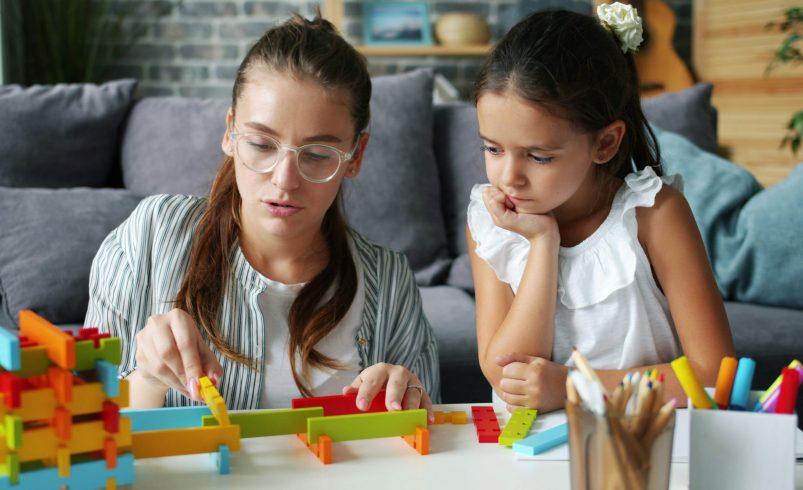
How well a young child deals with being frustrated is a really important piece of growing up, and it shows you what they’ll do when something doesn’t happen the way they’d like. They might have a hard time being patient, get very upset about losing at games, or get distraught with something that’s difficult. These kinds of things happen a lot, and they also show how a child’s ability to manage their feelings is changing as they get older.
Experts in child development say frustration tolerance isn’t something a child either possesses or doesn’t. Instead, it gets better with lots of trying, encouragement, and just the normal stuff of daily life. When children learn to cope with frustration, it’s easier for them to be calm during playtime, at school, with their family, and when they’re with friends.
Kids get frustrated as a normal part of growing up. It happens when they can’t get a lid off, another kid won’t agree, they have to hold on for something to happen, or a job is just too hard. Being able to manage to continue with something even while frustrated is what being able to deal with frustration helps with.
And those who investigate how young children grow and change frequently point out that this ability impacts far more than what a child does at a specific time. It is important for learning, figuring things out, being patient and having good relationships with others. In fact, children with more resilience to frustration generally bounce back from difficulties more easily.
When kids get upset and can stop for a moment, or say they need assistance, or have another attempt, they’re showing they’re starting to manage their feelings. If a child gets too much to handle though, they’re likely still figuring out how to turn intense feelings into something they can do.
Experts in children and behaviour are keen to say that one of these reactions isn’t ‘good’ and the other ‘bad’. It’s more that children are at differing points in their development. And emotional control typically gets better slowly, with lots of helping from others and from what happens to them daily.
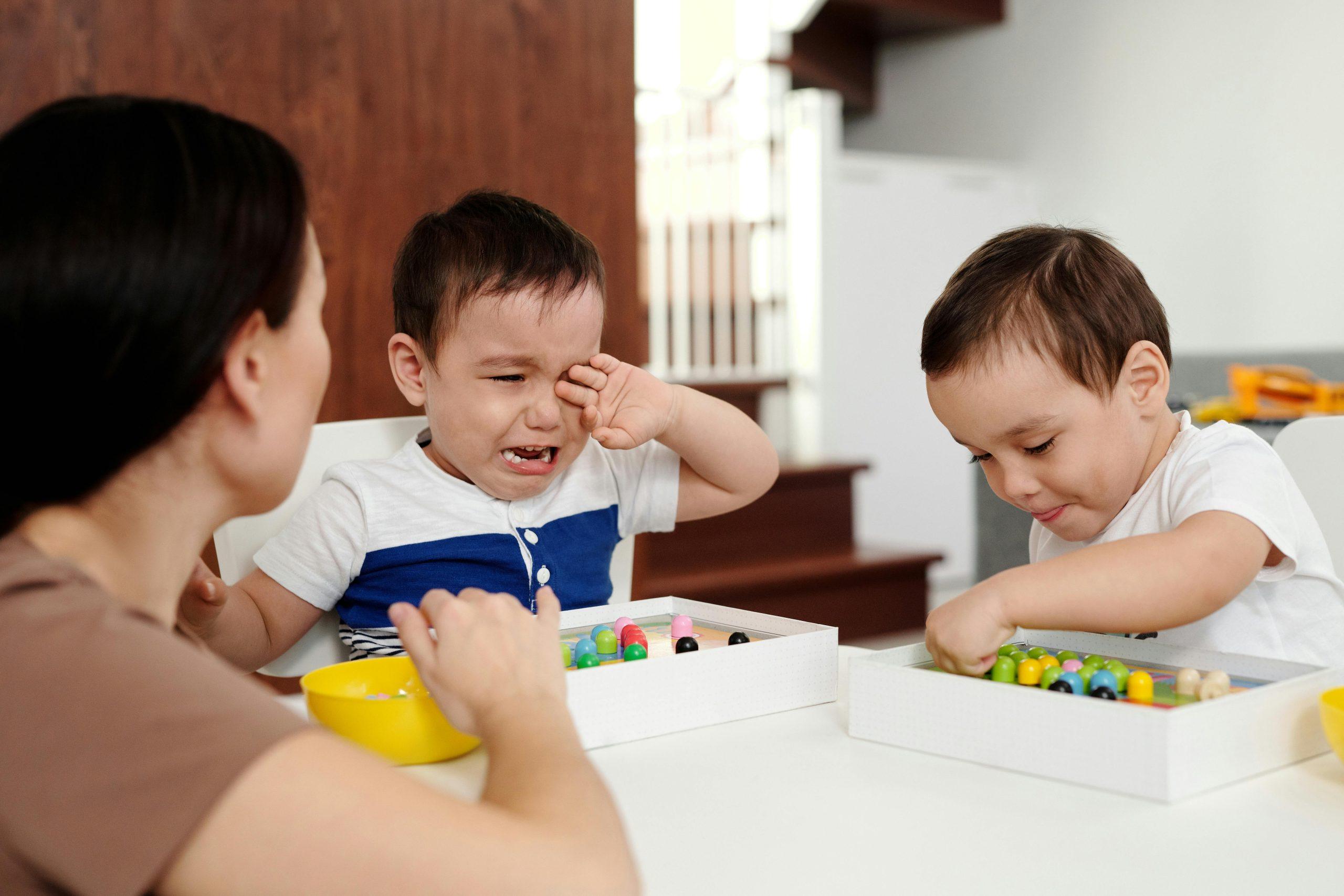
Kids get frustrated in all sorts of ways. One child might start crying instantly, another will shout, a third will fling things, and another will simply give up and won’t do any more. Some will even ask for assistance right away, even though they probably could have solved the problem by trying a little longer. All of these are ways a child shows you the problem feels too difficult for them to deal with at that specific time.
Family therapists frequently point out that we shouldn’t aim to completely eliminate frustration from a child’s life. Instead, we should aim to help children deal with a reasonable amount of frustration and understand that difficult times can be gotten through, with help and by practicing.

Credit: Vitaly Gariev/ Unsplash
It’s usually at specific times of day that kids have a much tougher time controlling their annoyance. When they have to wait for something, when they’re stopping something they really like to do, during sleepy afternoons, at meals, or if they’re starting something new to learn, they’ll get overwhelmed more quickly. And being hungry, not having enough sleep, or having too much going on make all of those situations even worse.
Those who work with families to help them be healthy generally say that you really have to think about where a child is and what’s happening around them to understand what they’re doing. A child might be fine with being let down in one circumstance but really fall apart in a different one. Instead of focusing on just one thing that happened, looking at what usually happens is much more helpful.
When kids are struggling, families generally do best by being calm and not expecting too much too soon. It’s good for a child if the grown-up sees they are having a tough time, says what’s going on in simple words, and then helps them through it but doesn’t immediately do it for them. Just saying “This is hard at the moment” can make a child feel as if you understand what they are experiencing, while still letting them try to figure things out.
Those who know a lot about how young children grow up frequently suggest allowing children little opportunities to pause, attempt things again, and deal with problems that aren’t overwhelming. Things like a short wait for assistance, another attempt with a toy, or a gentle refusal when something can’t happen are all examples. These kinds of experiences are what build a child’s ability to manage frustration in actual situations.
When a child gets frustrated, particularly if they’re yelling or getting very upset, adults generally want to make it go away right now. But if you take away all difficulties, kids won’t get as much chance to develop. They really do need a little bit of acceptable struggle to get good at bouncing back, at being patient, and at sticking with things.
And experts in how children grow say that being supportive is most effective when it’s a combination of understanding how they feel and having some boundaries. A kid might require a little assistance to relax, but the ability to do things later, once they are calmer, is what ultimately builds that skill for the future.
Kids generally get upset about things less easily when they’ve had enough sleep, something to eat and are doing things they normally do. When each day is fairly predictable it reduces the general level of anxiety and allows children to dedicate more of their power to dealing with issues and absorbing new things. And that’s a big part of why routines are so important for managing feelings.
Adults who are experts in getting a family to run smoothly will frequently say many problems with how a child behaves are solved by considering when those behaviours happen, not just punishing the child. Often, a four o’clock meltdown isn’t about needing to be scolded, but needing a snack, a lie down or a less sudden change of activity.
Credit: Photographer / Unsplash
You don’t usually see big, sudden leaps forward in a child’s development. One child who gets upset will get over it more quickly, and another will ask for assistance with something instead of just chucking it. Certain children will actually stop and think for a second before they do something, and some won’t require quite as many prompts when they’re struggling. All of those things show they’re really growing.
Those who are experts in how children behave tell us the ability to deal with being frustrated isn’t built in one go, but slowly, with lots of little events over months and even years. What we usually see as getting better is a quicker return to calm, being able to express what’s wrong, and a greater desire to have another attempt after something hasn’t worked.
Q: What is frustration tolerance in children?
A: Frustration tolerance is a child’s growing ability to handle disappointment, waiting, difficulty, or mistakes without becoming fully overwhelmed every time.
Q: Why is frustration tolerance important in early childhood development?
A: Frustration tolerance is important in early childhood development because it supports emotional regulation, problem-solving, learning, and social interaction.
Q: How can parents help children build frustration tolerance?
A: Parents can help by staying calm, naming the feeling, keeping routines steady, and giving children manageable chances to wait, retry, and solve simple problems.
Q: Is it normal for young children to get frustrated easily?
A: Yes, it is normal for young children to get frustrated easily because emotional regulation and coping skills are still developing.
Being able to deal with being frustrated is really important when kids are young, because it’s how they learn to handle things being hard, bounce back when things go wrong, and persist when they’re facing something tricky. This ability gets better with a gentle, reassuring attitude from adults, a predictable daily structure, and lots of chances to practice in normal life. Kids don’t have to have every difficulty taken away to get better at handling problems. In fact, frustration tolerance improves when families understand how a child is feeling, whilst also allowing them to get some experience with controlling their reactions.