8 Social Skills Children Often Build Through Everyday Family Life
- April 9, 2026
- 0
Kids start learning how to get along with people in the normal course of family life, usually well before they have lessons at school or go to things
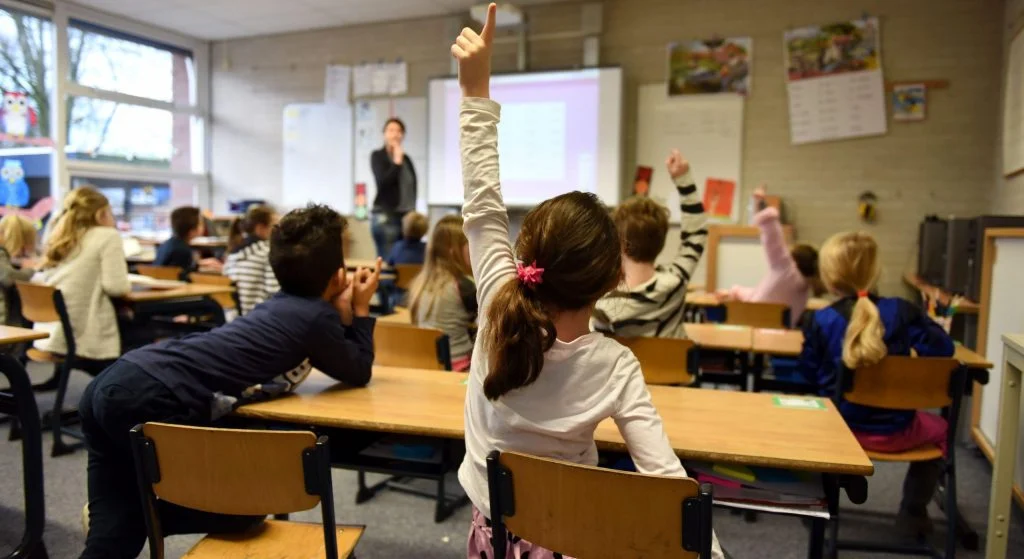
Kids start learning how to get along with people in the normal course of family life, usually well before they have lessons at school or go to things
Kids start learning how to get along with people in the normal course of family life, usually well before they have lessons at school or go to things like clubs. Things as straightforward as sharing during dinner, assisting a brother or sister, or simply being a listener when someone else is talking are all important in forming how a child will act around others. And these things that happen all the time are a really significant part of how a child grows up, though it’s easy to not realize it.
Experts in how children grow and learn say social skills are developed by doing things together every day, not from being told things now and then. Kids figure out how relationships should be by observing, trying things out and changing their approach, all within their family. Essentially, the way they get on with people at home impacts their self-assurance, how well they work with others and their ability to make friends in the future.
Good social skills when kids are young are about a lot more than just saying “please” and “thank you”. They’re about how children get into groups, deal with being upset, get support when they need it, and what they do when they don’t agree with someone. When a child is taught to listen, be patient, and say what they mean in a way others understand, school and being with family generally cause them less worry.
Child development experts commonly point out that regular, daily life gives children lots of opportunities to use and build on these skills somewhere they feel safe. That repeated practice is important because learning to socialize happens slowly, in stages, not suddenly. Small conversations and interactions over a long period of time are how kids get better at it.
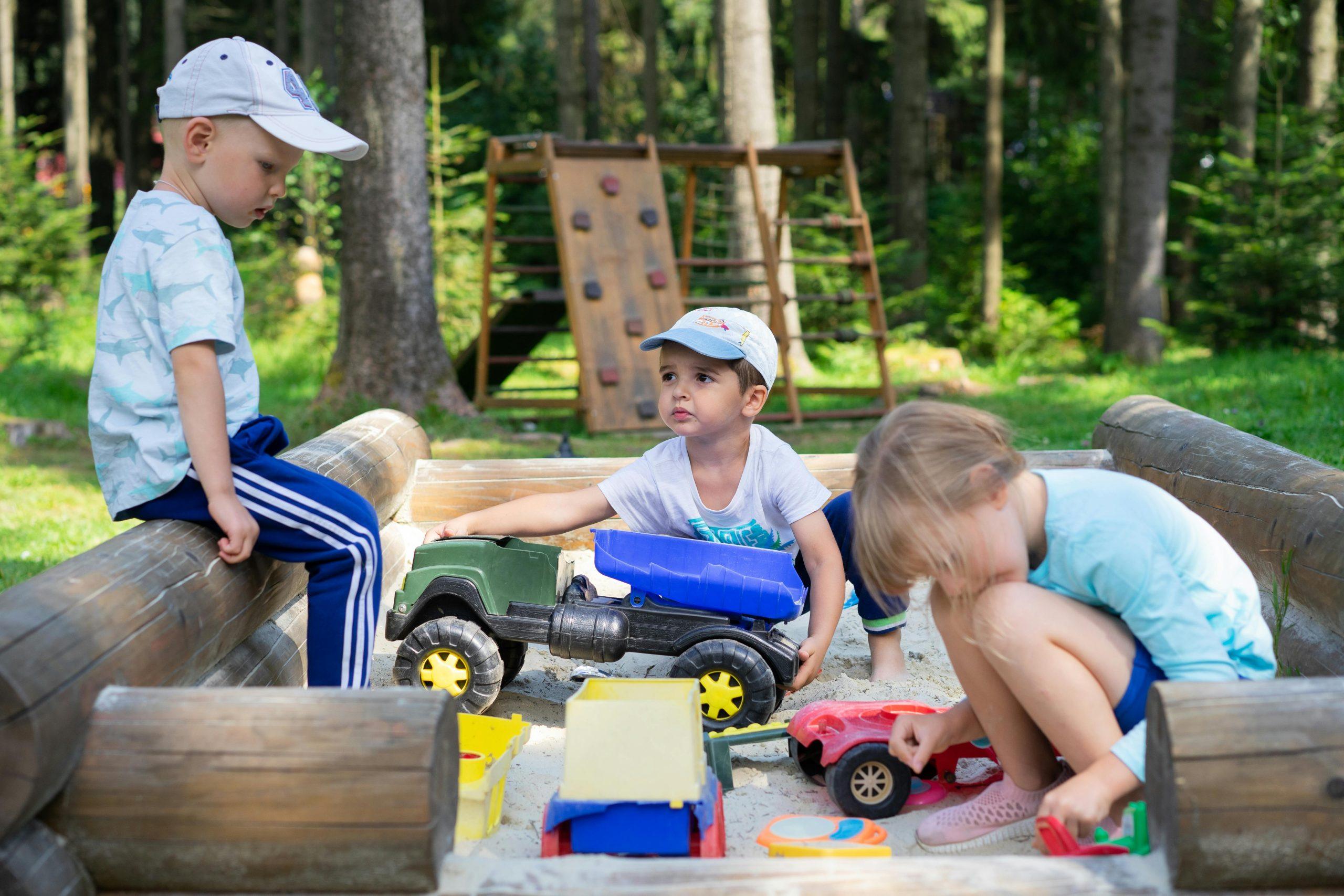
Kids are usually among the first things to start learning how to share, and this happens in lots of situations. During games, while talking, at mealtimes, or with toys, they start to get the idea. Being patient, getting involved, and letting others have a go shows them how to share a space and focus on the same thing as someone else.
A lot of specialists in how families and children behave say sharing supports being able to wait and being just to everyone. Also, kids understand they won’t be forgotten if they do wait, and that’s a big piece of being sure of themselves around others.
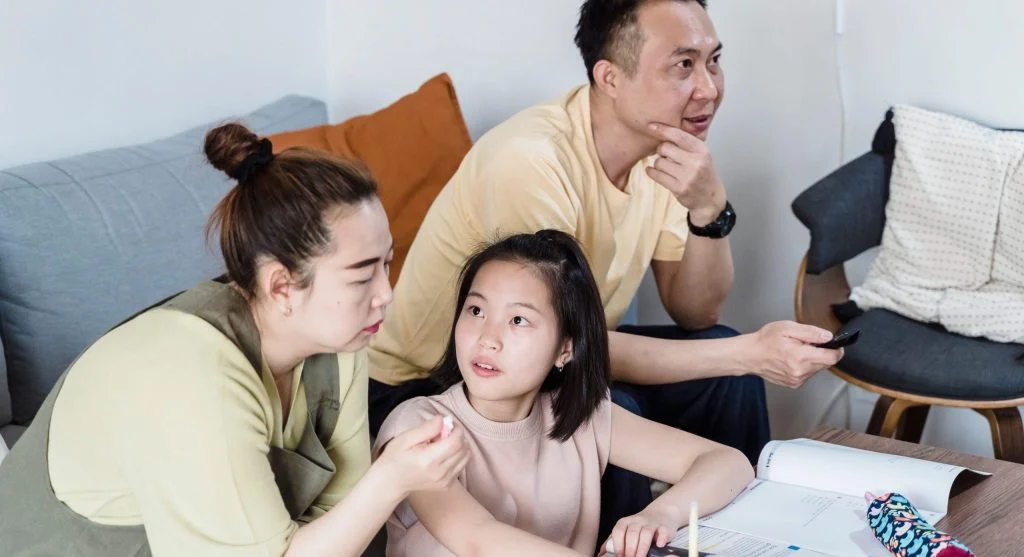
A big piece of learning how to get along with people is listening. Kids start to realize people communicate most successfully when they both talk and listen equally. This is something they frequently pick up during chats at home, stories at bedtime, and what happens as a family during usual activities.
Those who really understand good family life point out that children will listen to you much more readily if you listen to them. And children’s ability to listen improves when they feel like their own voices matter, and when they see that listening is something everyone values.
As kids grow up, they slowly start to pick up on how someone says something (their tone of voice), what they look like (their facial expressions) and how they are holding themselves (body language). These kinds of signals from someone’s feelings let them figure out if a person is happy, sad, exhausted or full of energy. It’s a pretty subtle but really significant way kids learn to get along with people and happens as they spend time with others.
Lots of experts in how children develop say understanding these signals helps with being empathetic and speaking to each other more easily. When a child sees a brother or sister is in distress or that a mum or dad is being soft in their voice, they’re starting to link what people do to what they feel.
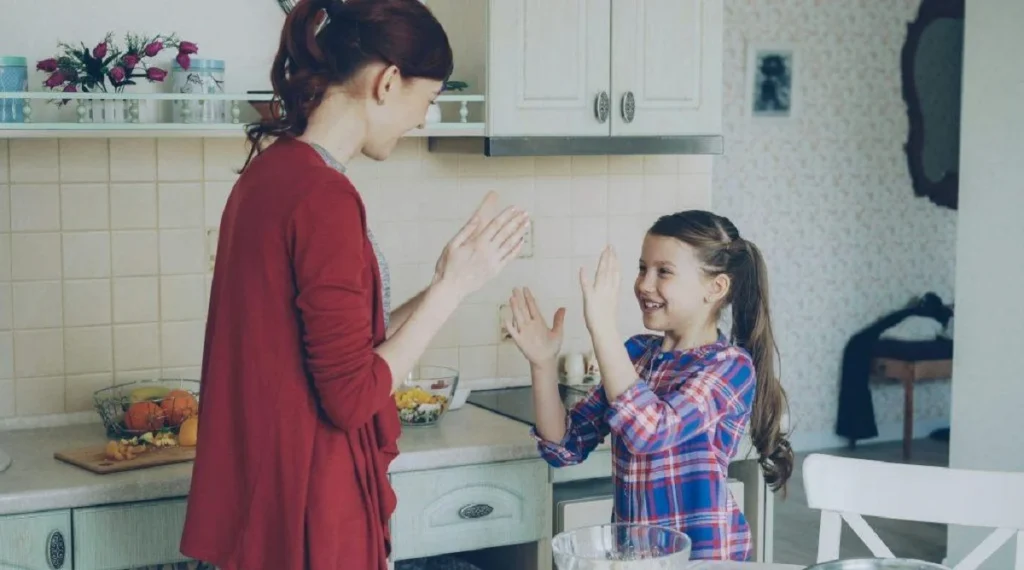
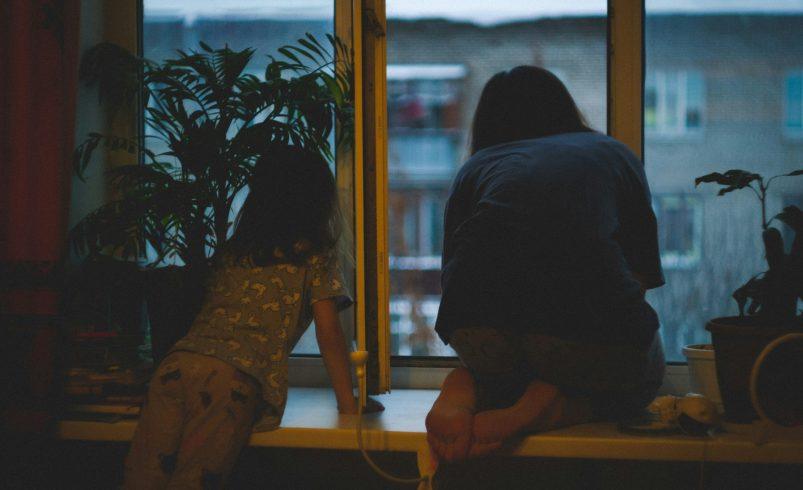
Credit: Vitaly Gariev / Unsplash
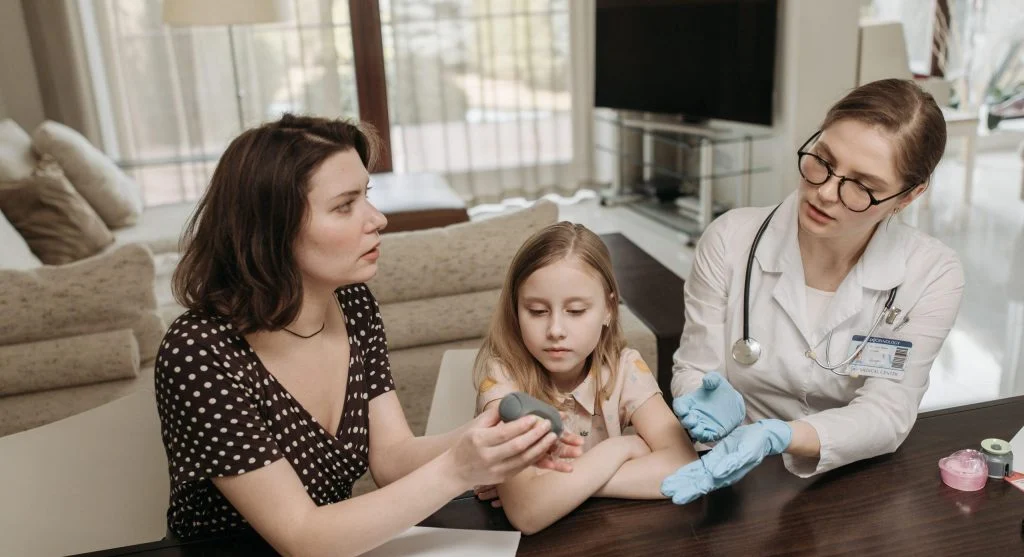
Kids frequently require a little help with figuring out how to ask for what they need, and they can get stuck or even angry if they don’t know how. Saying things like “Can you help me?” or “I don’t understand” are really important ways to get along with others. They lessen how upset a child gets and make talking to people go much more smoothly.
When children have a way to ask for assistance, speech and language experts often say their confidence in social situations grows. Because of this, they’re then much more at ease with being involved with family, at school, or in other places.
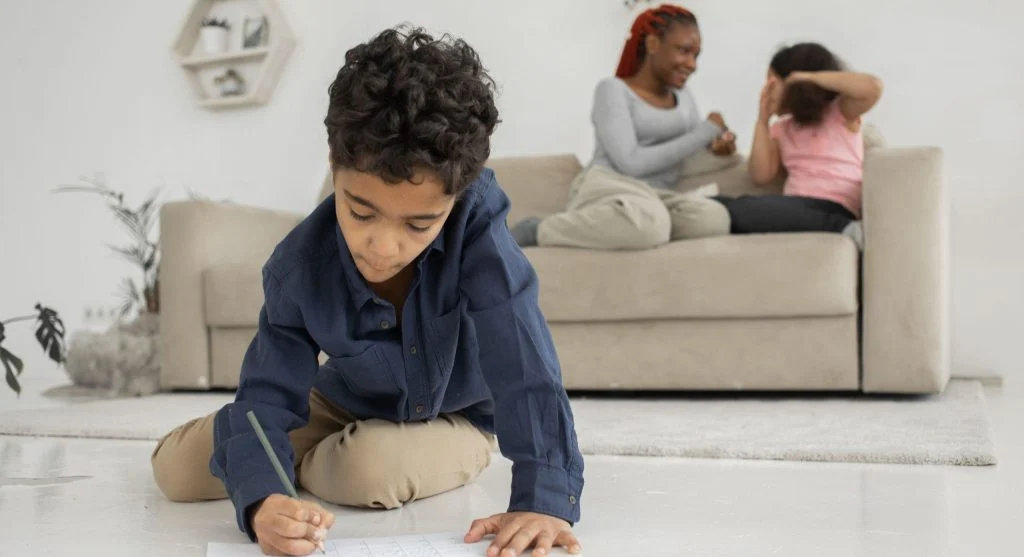
It’s completely typical for kids to clash as they learn how to get along. They’ll bicker about toys, whose turn it is, room to play, or if something is just. And within those arguments, they can actually figure out how to say when they’re annoyed, hear the other person’s side of things, and eventually find a way to solve the problem.
Family counselors will often say that the fighting isn’t necessarily the issue. Instead, what’s key is how grown-ups help kids with it. If you’re steady and supportive, you can use disagreements to help them learn, and turn something difficult into a helpful experience.
Empathy very frequently starts with little things we do. Perhaps a child will see their brother or sister in tears and get a special toy for a family member who is down, or just stop what they’re doing when someone else looks distressed. These are first demonstrations of the child understanding how people’s feelings influence each other.
Child development experts say that empathy gets stronger the more often a child is shown kindness. Children will tend to adopt these behaviours themselves if adults say what feelings are, and show how to be supportive.
Kids also learn a social skill: realizing you need to act differently in different places. For example, being quiet and listening is best during story time, but running and being lively is good when you’re playing outside. Being able to do this helps them get along with others without so many problems.
Experts in how children behave say this ability to change with the situation develops with things we do all the time, and by doing them over and over. Eating meals together, going on trips as a family, and having rules that everyone follows are all ways kids figure out how what’s expected of them is different depending on where they are.
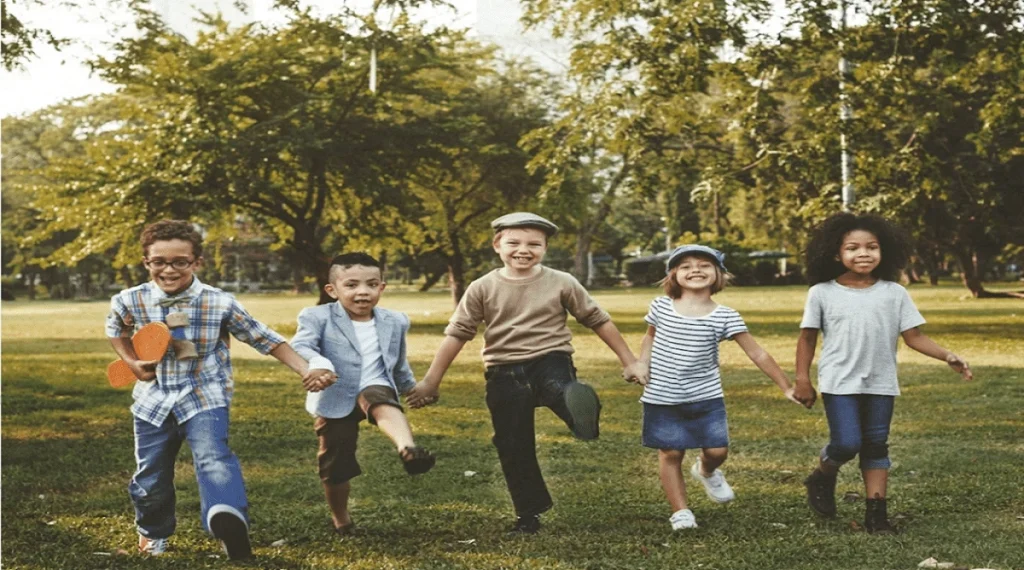
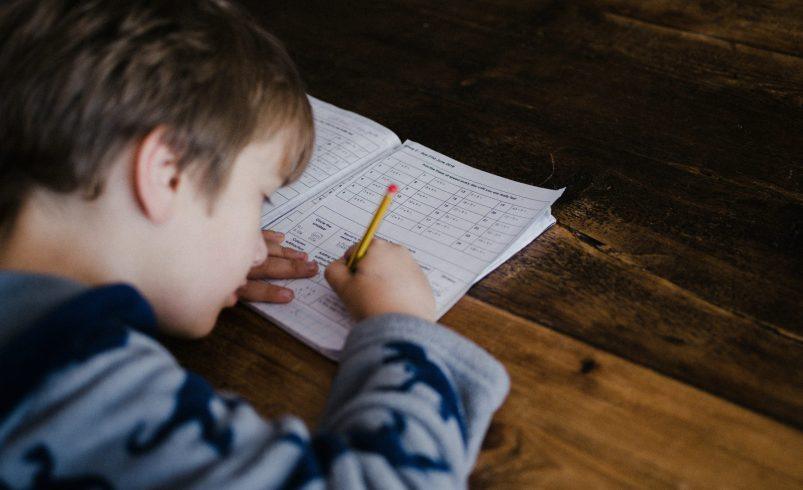
Credit: Curated Lifestyle / Unsplash
Kids develop a really important social ability called repair. It’s about what happens after you’ve argued with someone. Do you try again, say sorry, ask if the other person is okay, or go back to being friendly after a difficult time? Learning to repair things shows that even when relationships have a bad patch, they can get better.
In fact, people who know a lot about families say repair helps kids bounce back. When children understand that you can admit when you’re wrong and that relationships can get stronger, they generally become more confident with other people as time goes on.
Kids generally learn to be social in the best way when their families show them how, and do so regularly. It’s much easier for children to grasp things like being a good listener, saying things plainly, understanding how others feel, and making amends after a problem when they hear and see those things happen between family members all the time. A lot of how children pick up on social behaviour comes from what they live through, as much as from being told what to do.
Those who know about these things typically say to concentrate on regularly doing the work, instead of looking for instant improvements. These social skills children develop at home with their family tend to get stronger over a longer time because kids get lots of opportunities to try them out in a safe and encouraging environment.
Q: What social skills children build first at home?
A: Many children first build turn-taking, listening, asking for help, and reading basic emotional cues through daily family interaction.
Q: Why are social skills important in child development?
A: Social skills are important in child development because they support cooperation, communication, emotional regulation, and relationship-building.
Q: Can family routines help social learning?
A: Yes, family routines often help social learning by giving children repeated chances to practice listening, waiting, sharing, and communicating clearly.
Q: How do children learn empathy at home?
A: Children often learn empathy at home by observing caring responses, hearing feelings named clearly, and practicing supportive behavior in everyday situations.
How kids learn to get along with people, express themselves, and be in relationships is usually based on the social skills they pick up while being with their families. Things like waiting your turn, truly hearing others, understanding how someone else feels, and fixing things when they go wrong all come from doing these things over and over again with family. Experts in how children grow say these ways of behaving slowly become part of us through what happens in normal, day-to-day life. In fact, the social skills a child learns at home are a big support for feeling good about themselves and having good relationships.