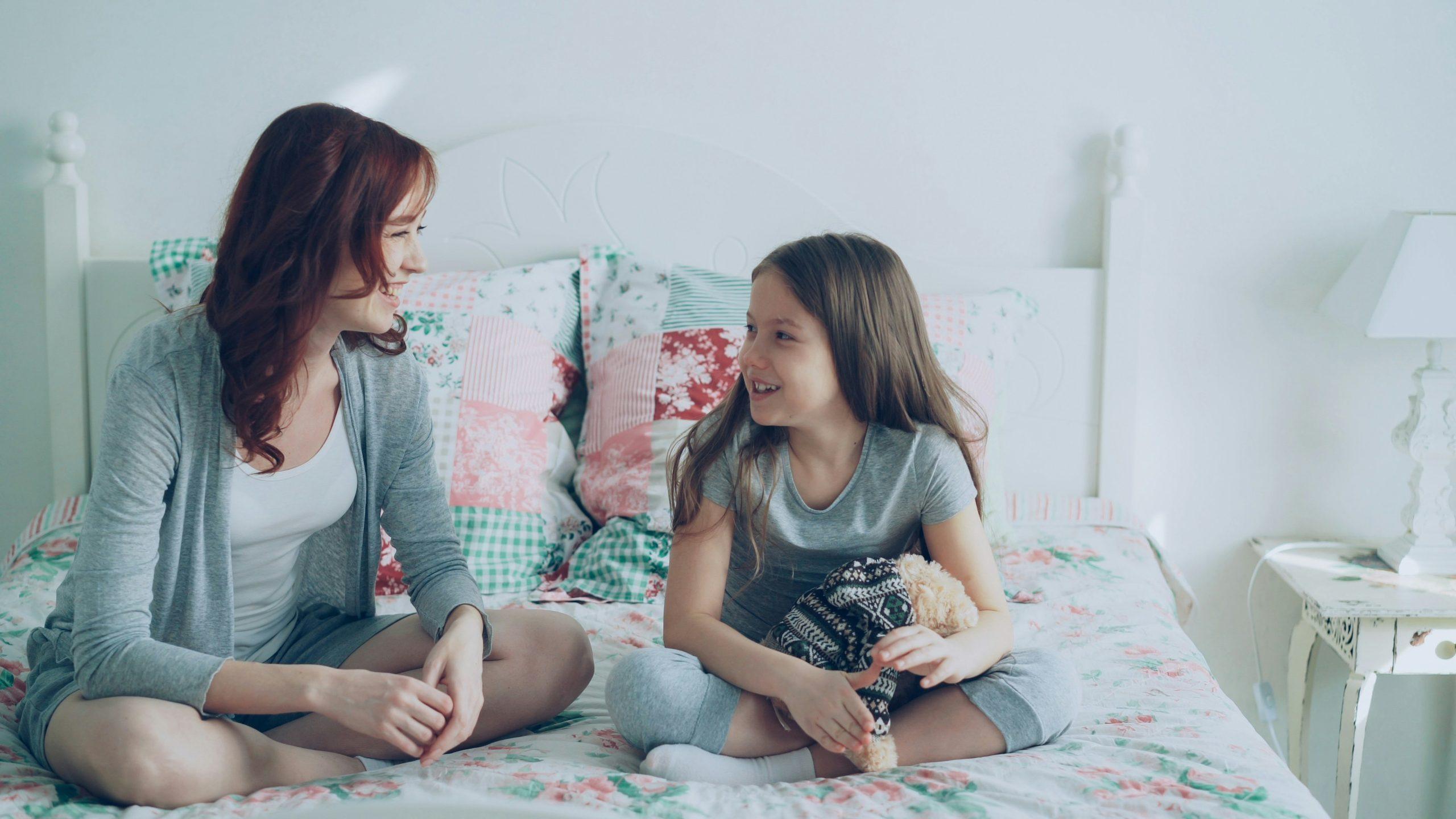
The kindergarten year often brings noticeable changes in routines, emotions, attention, and everyday family life. Many parents see a shift as their child moves from a familiar environment into a larger group setting with new expectations and a different daily rhythm. While this stage can be exciting, it can also make life at home feel a bit less predictable for a time.
Child development specialists often describe the kindergarten year as a major school transition. Children are learning to handle separation, follow group routines, meet early academic expectations, and move through a longer, more structured day. Understanding these changes can help parents respond with steadier routines and more realistic expectations at home.
Why the kindergarten year feels like a big transition for families
The shift doesn’t just affect the child’s school day it often changes the pace of the entire household. Mornings may require more coordination, evenings can feel shorter, and after-school emotions may become more noticeable. Many families find that their child needs both greater independence and extra support at the same time.
Family therapists often point out that transitions like this can send mixed signals. A child might seem excited about school but still come home tired, irritable, or unusually quiet. This doesn’t mean something is wrong it often reflects the effort involved in adjusting to a new stage.
1. The daily routine becomes more structured
One of the first changes parents often notice during the kindergarten year is the increased importance of routine. Wake-up time, getting dressed, breakfast, leaving the house, and bedtime all begin to matter more because the school day depends on a consistent schedule.
Experts in family organization often explain that children handle school transitions more smoothly when home routines are predictable. When a child knows what to expect in the morning and evening, it can make adapting to kindergarten demands easier.
2. After-school emotions may seem bigger than expected
Many children manage their emotions well at school and then release built-up stress once they return home. This can show up as crying, irritability, quietness, silliness, or arguing over small issues. It can catch parents off guard, especially when teachers describe the school day as positive and calm.
Child behavior experts often note that this is common during the kindergarten year. Keeping up with group expectations, attention demands, and social interaction for several hours can leave a child emotionally drained by the end of the day.
3. Independence grows, but follow-through still needs support
Kindergarten-aged children often want to take on more responsibility. They may want to carry their own backpack, manage their shoes, choose clothes, or handle parts of their routine independently. At the same time, they may forget steps, lose focus, or need frequent reminders.
Child development professionals often explain that this is a normal part of development. A child’s desire for independence often grows faster than their ability to manage every task consistently, so ongoing support is still important.

Credit: Vitaly Gariev / Unsplash
4. Social experiences start affecting mood more clearly
During the kindergarten year, children spend more time with peers in a larger group. They may begin talking more about classmates, play choices, fairness, or who sat where. Social moments that seem small to adults can continue to affect a child’s mood even after the school day ends.
Experts in early school development often note that group life becomes much more significant at this stage. Children are learning to manage turn-taking, friendships, waiting, and a sense of belonging in the classroom all at the same time.
5. Language and storytelling often expand quickly
Many children become more expressive during the kindergarten year. They may talk more about their day, use richer descriptions, ask more detailed questions, or repeat phrases and language they hear in class. Even children who don’t say much about school directly may show stronger communication in other everyday moments.
Speech and early learning specialists often explain that group listening, songs, storytelling, and classroom discussions all support rapid language growth. This is why parents often notice noticeable changes in how their child communicates during this period.
6. Attention and stamina are still developing
Kindergarten requires children to sit, listen, wait, transition, and participate more than they may have before. Even children who are doing well in school can come home showing that their attention and energy are stretched. A child may seem less patient at home simply because they’ve already used a great deal of focus during the day.
Child development experts often explain that these skills develop gradually over time. Parents usually help most by not expecting consistent self-control after a full day at school.
7. Early learning confidence becomes more visible
During the kindergarten year, some children begin comparing themselves to others. They may notice who reads faster, who finishes work quickly, or who gets answers right on the first try. These comparisons can influence confidence, especially if a child starts labeling tasks as easy or difficult.
Education professionals often suggest focusing on effort, progress, and routine rather than comparison. Confidence tends to grow best when children feel supported in learning, rather than judged by performance alone.
Credit: Birleşim Özel Eğitim Rehabilitasyon Merkezi / Unsplash
8. Sleep and evening routines may need adjustment
The kindergarten year often changes how tired children feel by the end of the day. A bedtime that once worked may no longer be enough, and some children may need more time to wind down, an earlier bedtime, or a calmer evening routine. Fatigue doesn’t always look like sleepiness it often shows up as silliness, irritability, or heightened emotions.
Family wellness professionals often point out that school transitions affect more than just school hours. How a child feels in the evening is closely tied to how much energy both physical and emotional they’ve used during the day.
How parents can support children during the kindergarten year
Parents often support this stage best by combining steady routines with patience. Kindergarten-aged children usually benefit from simpler mornings, a short period to unwind after school, consistent bedtime routines, and calm, low-pressure conversations about their day. These supports make it easier for children to adjust without feeling like they need to manage everything perfectly.
Experts in parenting young school-age children often recommend looking at patterns over the course of the week. If a child struggles most after school, adding more quiet or downtime may help. If mornings feel rushed or difficult, more preparation the night before can make a difference. Understanding the rhythm of the kindergarten year often helps the entire household adjust more smoothly.
Frequently Asked Questions
Q: Why is the kindergarten year such a big change?
A: The kindergarten year is a big change because children are adjusting to a longer structured day, group expectations, school routines, and early academic demands all at once.
Q: Is it normal for kindergarten children to be more emotional after school?
A: Yes, many kindergarten children show bigger emotions after school because they are tired from managing attention, routines, and social interaction during the day.
Q: How can parents help during the kindergarten year?
A: Parents often help by keeping routines predictable, allowing decompression time after school, supporting sleep, and using calm communication around school demands.
Q: Does the kindergarten year affect home routines?
A: Yes, the kindergarten year often affects mornings, evenings, bedtime, after-school routines, and how the household prepares for each day.
Key Takeaway
The kindergarten year often brings clear changes in routines, emotions, independence, and the overall pace of life at home. Children may seem more capable in some areas while still needing steady support with transitions and time to recover after school. Parents usually help most by keeping home routines consistent and maintaining a calm emotional environment. Understanding the kindergarten year can make this school transition feel more stable and manageable for the whole family.
INTERNAL LINKING SUGGESTIONS
- 9 School Readiness Skills That Help Children Adjust More Smoothly
- 7 Changes Parents Often Notice During the Early Elementary Years
- Why Children Forget School Items and What Experts Say Helps