Why Children Ask the Same Questions Repeatedly During Early Development
May 28, 2026
0
Many families notice that children ask the same questions repeatedly, even after they have already heard the answer. A child may ask where someone is going, what happens
Many families notice that children ask the same questions repeatedly, even after they have already heard the answer. A child may ask where someone is going, what happens next, why the sky looks a certain way, or whether the same routine will happen again tomorrow. To adults, the repetition can feel confusing or tiring, especially when the answer has already been given clearly.
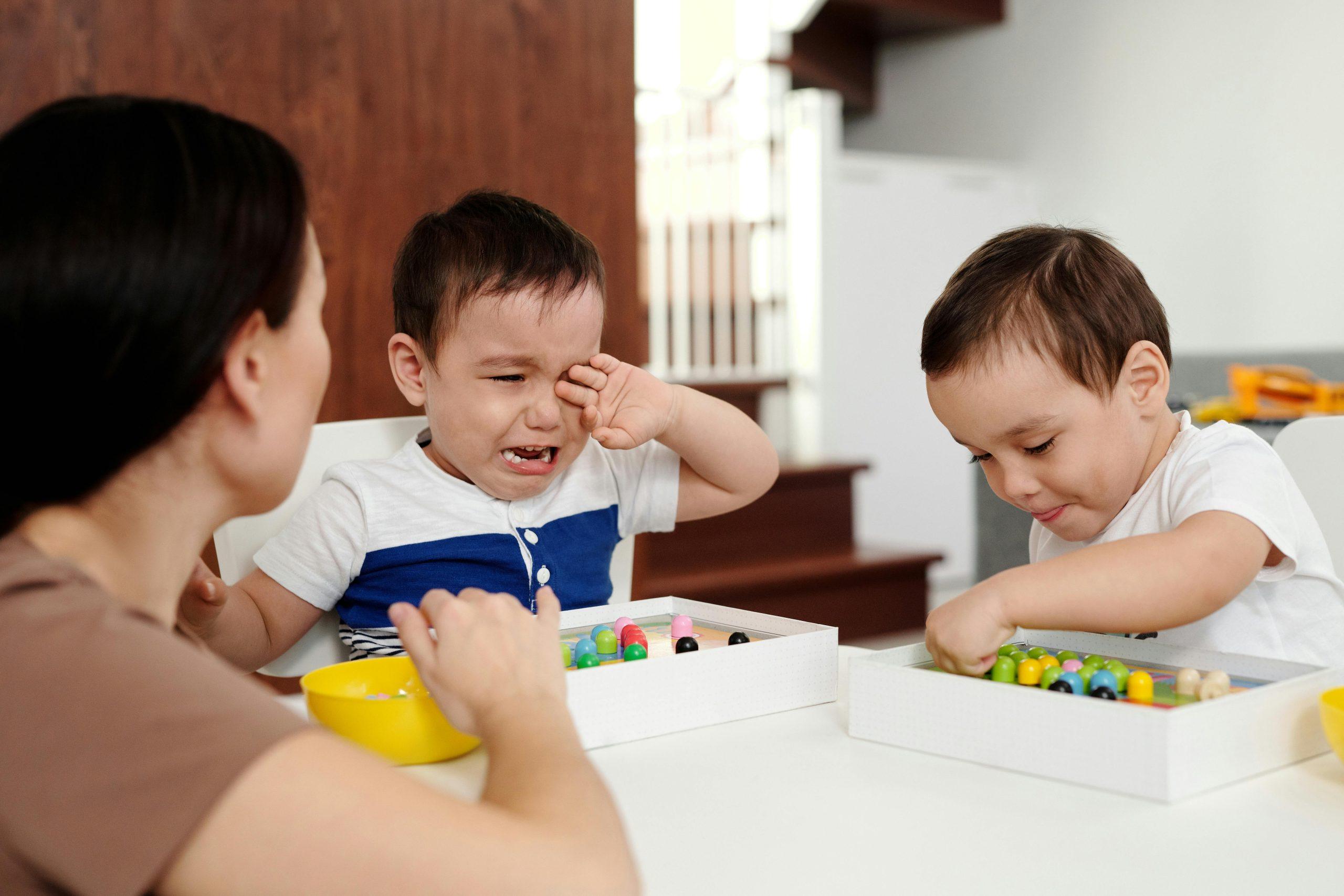
Child development experts often explain that when children ask the same questions repeatedly, the habit is usually doing more than adults first realize. In many cases, children are checking understanding, practicing language, or looking for emotional reassurance. Understanding why children ask the same questions repeatedly can help families see the behavior as part of healthy development rather than simple inattention.
Why children ask the same questions repeatedly during normal development
Adults often ask a question to collect information and then move on. Children often ask questions for several reasons at once. A child may want the answer, but may also want to hear the words again, confirm that the answer stays the same, or feel connected through the conversation itself. This makes the repeated question more meaningful than it may seem on the surface.
Researchers in child development often note that children ask the same questions repeatedly because learning is built through repetition. One answer may introduce the idea, but repeated questioning gives the child more chances to understand, remember, and organize the information in a useful way.
How repeated questions support language growth
Language often develops through hearing the same patterns many times. When a child repeats a question, the child may be listening closely to how the answer sounds, how certain words fit together, or what the explanation means in a slightly different context. Repetition can help children build stronger vocabulary and more flexible understanding.
Speech and language specialists often explain that children ask the same questions repeatedly because repeated exchanges help language settle into memory. A child may not be ignoring the first answer. The child may be testing the words again to make sense of them more fully.
Why children ask the same questions repeatedly when they want reassurance
Some repeated questions are connected less to curiosity and more to emotional security. A child may ask the same question about pickup time, bedtime plans, or where a parent is going because the answer helps the child feel calmer. The repeated question may sound informational, but the deeper need may be reassurance.
Family therapists often explain that children ask the same questions repeatedly when uncertainty feels heavy. Familiar answers can help children feel steadier because repetition makes the day feel more predictable. This is especially common during changes in routine, busy seasons, or emotionally demanding times.
How memory and understanding affect repeated questions
Children often understand information in pieces rather than all at once. A child may remember part of an answer but not the full meaning. The next time the topic comes up, the child asks again because the idea still feels unfinished. This is especially common when the explanation involves time, sequence, or something the child cannot see directly.
Child learning experts often note that children ask the same questions repeatedly because memory and understanding are still developing together. Repeating the question can be one way the child returns to an idea until it starts to feel clearer and more stable.
Why children ask the same questions repeatedly about routines
Many repeated questions center on daily routines. A child may ask what happens after school, whether the same bedtime steps will happen tonight, or when a parent will return. These questions often reflect the child’s need to feel oriented inside the day. Children usually handle routines more calmly when they know what comes next.
Family routine specialists often explain that children ask the same questions repeatedly because repeated answers help create predictability. The child may be using the question to confirm that the world is still following the expected pattern. This kind of repetition often supports emotional security as much as understanding.
What adults sometimes misunderstand about repeated questions
Adults may assume that if a child asks again, the first answer was not heard or respected. In many cases, that is not true. The child may have heard the answer well but still feel a need to revisit it. Repetition can be part of learning, not a sign of poor listening.
Experts in child development often explain that children ask the same questions repeatedly because repetition is one of the main ways young minds process information. The behavior often becomes easier to understand when adults stop hearing it only as a request for new information and start hearing it as part of growth.
How families can respond when the same question comes up again
Families often help most by responding calmly and noticing the likely reason behind the repetition. If the question sounds curious, the child may need another simple explanation. If it sounds worried, the child may need reassurance more than detail. Matching the response to the real need often helps more than treating every repeated question the same way.
Family communication experts often note that children ask the same questions repeatedly less urgently when adults answer with steadiness instead of irritation. A calm answer helps the child feel that questions are safe and that the adult can handle the uncertainty the child is still trying to organize.
When repeated questions become more common
Repeated questions often become more common during new routines, family changes, travel, school transitions, and emotionally busy periods. Children may also repeat questions more when they are tired or when the topic feels very important to them. The repetition is often a clue that the child needs more clarity, more predictability, or more emotional support around that topic.
Family wellness professionals often encourage adults to watch the pattern, not only the single question. If children ask the same questions repeatedly during certain times, the routine or emotional context around those times may need more support. That wider pattern often explains the behavior more clearly than the question alone.
Over time, repeated questioning often supports stronger language, clearer thinking, and more emotional understanding. A child who asks again and again is often trying to make the world feel more understandable. That process may look repetitive to adults, but it often reflects real developmental work happening underneath.
Experts in early development often explain that children ask the same questions repeatedly not because they are trying to frustrate adults, but because repetition helps build learning and security. When families respond with calm consistency, those repeated questions often become part of healthy growth rather than daily tension.
Frequently Asked Questions
Q: Why do children ask the same questions repeatedly?
A: Children ask the same questions repeatedly for several reasons, including language practice, memory support, curiosity, and the need for reassurance.
Q: Does repeated questioning mean a child was not listening?
A: Not always. In many cases, the child heard the answer but still needs repetition to understand it more fully or feel emotionally secure.
Q: Are repeated questions normal in child development?
A: Yes, repeated questions are very common in child development, especially during periods of rapid language growth and routine learning.
Q: How can families respond calmly to repeated questions?
A: Families often respond best by giving simple steady answers, noticing whether the child needs information or reassurance, and supporting predictable routines when possible.
Key Takeaway
Children ask the same questions repeatedly for reasons that often include learning, memory, predictability, and emotional reassurance. Family experts usually recommend hearing the repeated question as part of development rather than only as a sign of inattention. Calm answers and predictable routines often help children feel clearer and more secure. Over time, those repeated questions can support language growth and stronger emotional understanding.