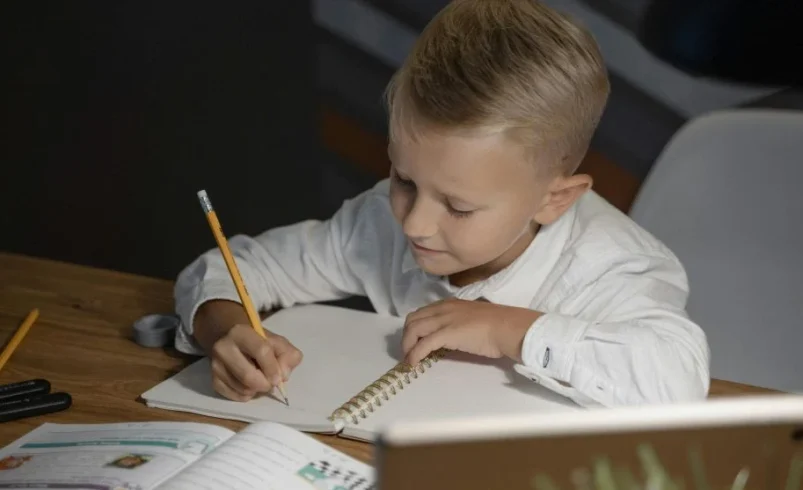
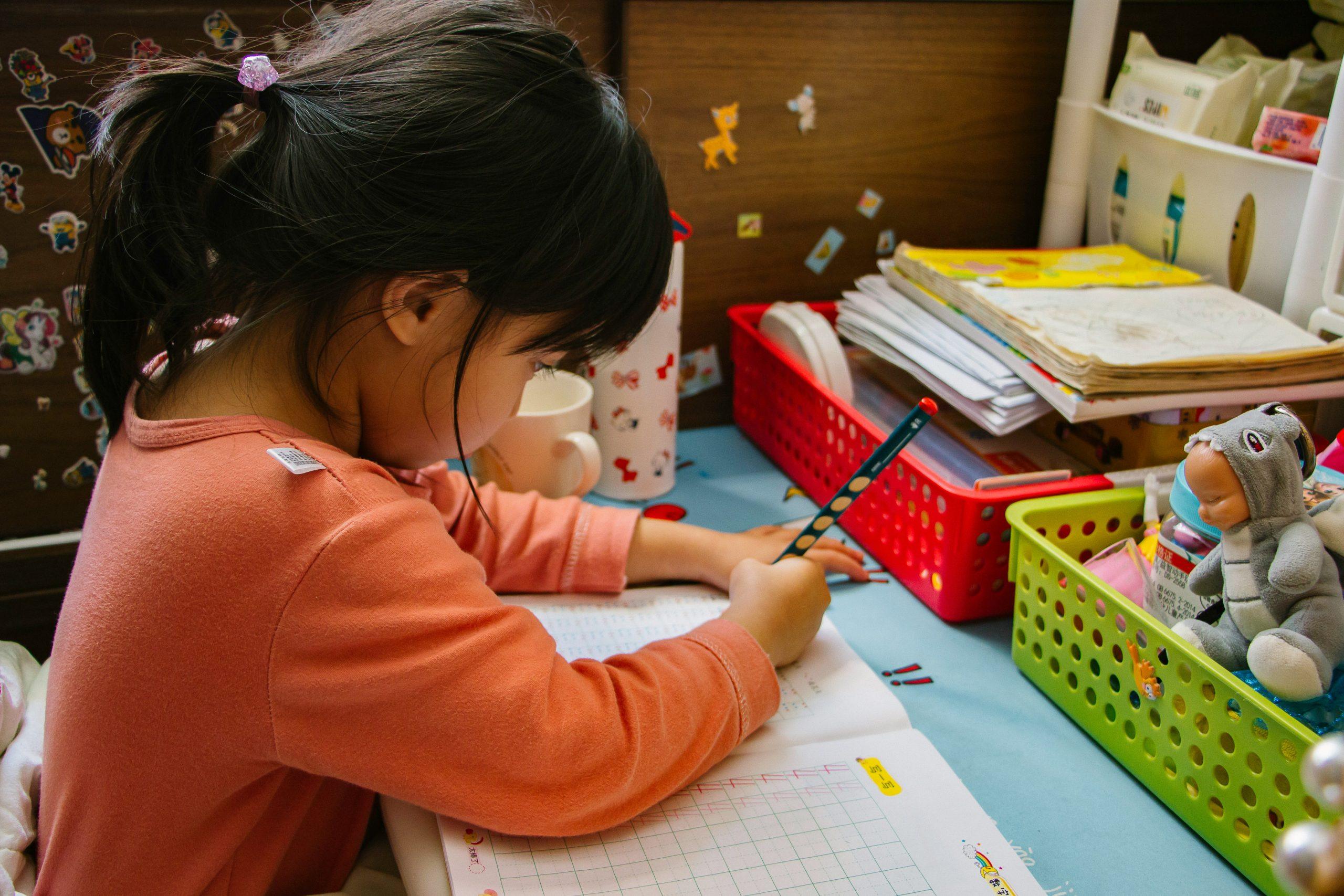
Many families notice that children avoid starting homework even when the assignment is not especially long or difficult. A child may sharpen pencils, ask for snacks, talk about unrelated things, reorganize the desk, or simply stare at the page without beginning. These moments can quickly create stress because the problem is not always the homework itself. Often, the hardest part is getting started.
Family experts often explain that when children avoid starting homework, it is not always laziness or simple unwillingness. In many cases, the child may be dealing with school-day fatigue, emotional overload, or difficulty with task initiation. Understanding why children avoid starting homework can help families build calmer routines that support learning without turning every afternoon into a conflict.
Why children avoid starting homework more often than adults expect
Adults often see homework as the obvious next step after school. Children may experience it very differently. The school day already asks a lot from them in terms of attention, behavior, and effort. When a child gets home, the brain may not be ready to move straight into another structured task, even if the assignment itself is manageable.
Child development specialists often note that children avoid starting homework because beginning a task takes more mental effort than adults sometimes realize. The child has to shift out of one setting, settle emotionally, organize materials, and commit attention to something that may not feel rewarding in the moment. That starting point can feel heavier than the work that comes after it.
How after-school fatigue affects why children avoid starting homework
After school, many children may look active while still being mentally tired. A child might come home talking, moving around, or asking for screens while having very little energy left for focused work. This can confuse adults because the child does not seem exhausted in the usual way. Still, the energy needed to begin homework may already be low.
Experts in child learning often explain that children avoid starting homework more when the brain is already full. A child who has spent hours listening, waiting, reading, writing, and managing peer interactions may need time to recover before another task feels possible. Without that reset, the first homework step can feel too big.
Why task initiation is often the real challenge
Task initiation means starting something that needs to be done, even when it is not exciting. This is a skill many children are still developing. A child may understand the homework, know it needs to be finished, and still genuinely struggle to begin. From the outside, this can look like intentional delay.
Family therapists often explain that children avoid starting homework because the first step may feel unclear, too large, or emotionally uncomfortable. Once the child gets going, the work may move more smoothly than adults expected. This is why the first few minutes often matter more than the rest of the assignment.
How homework routine patterns shape after-school learning
A predictable homework routine often makes starting easier because it removes some of the uncertainty around the task. When children know that snack comes first, then a short break, then homework at the same table, the shift can feel more manageable. The child is not deciding from scratch what should happen next.
Family organization experts often explain that children avoid starting homework less often when after-school learning follows a familiar pattern. Routine reduces decision fatigue and helps the child move from one part of the afternoon to the next more smoothly. It may not remove all resistance, but it often lowers the daily struggle.
Why emotional pressure can make starting homework harder
Some children avoid starting homework because they already expect stress around it. If homework time often includes correction, repeated reminders, or visible adult frustration, the child may begin reacting to the emotional tone before the work even starts. In those homes, homework can feel heavy before the first pencil mark appears.
Experts in family communication often note that children avoid starting homework more when the task becomes connected to tension. This does not mean adults should ignore the work. It means the emotional atmosphere around starting matters. A calmer tone often improves follow-through more than a stronger push.
What family experts often notice about the first step
Family experts often notice that children do better when the first step is small and concrete. Instead of thinking about the whole worksheet, chapter, or packet, the child may only need to open the folder, write their name, or read the first question. Smaller beginnings often make the task feel possible.
Professionals who study homework habits often explain that children avoid starting homework less when adults shrink the entry point. A task that feels too large can freeze effort. A task that begins with one visible action often feels easier to approach.
How adults can support without taking over
Adults often help most by supporting the setup, not by doing the work. This may mean helping the child unpack the bag, clear the desk, identify the first assignment, or decide on the first step. Once the child begins, the adult can step back more. This protects independence while still supporting task initiation.
Child development professionals often explain that children avoid starting homework less when support is practical and calm. A nearby adult can make the barrier feel smaller without turning homework into something the adult controls completely. That balance often helps the child feel more capable.
When families may need to adjust the full after-school pattern
If starting homework becomes a repeated daily struggle, the homework itself may not be the only issue. The child may need more time after school, an earlier snack, fewer distractions, more movement, or a clearer homework space. Sometimes one change in the after-school pattern improves the whole routine.
Family wellness professionals often recommend noticing when the child avoids starting homework most strongly. If the struggle is always worse at one time of day, that often points to fatigue, timing, or routine design rather than lack of motivation alone. Looking at the full pattern usually helps more than reacting only to the delay.
Frequently Asked Questions
Q: Why do children avoid starting homework?
A: Children avoid starting homework for many reasons, including school-day fatigue, weak task initiation skills, emotional stress, and after-school routine overload.
Q: What helps children start homework more easily?
A: A predictable homework routine, a short reset after school, a small first step, and calm adult support often help children start homework more easily.
Q: Does avoiding homework mean a child is lazy?
A: Not usually. In many cases, the child is struggling more with starting the task than with the task itself.
Q: Should homework begin right away after school?
A: Not always. Many children do better with a short break, food, or movement before beginning after-school learning tasks.
Key Takeaway