Why Children Stall on Open-Ended School Assignments and How Parents Can Help
July 15, 2026
0
A child may complete a worksheet quickly, answer short questions without complaint, and follow clear homework directions with little help. Then a different assignment appears: choose any historical
A child may complete a worksheet quickly, answer short questions without complaint, and follow clear homework directions with little help. Then a different assignment appears: choose any historical figure, create a project about an animal, write a story on any topic, design a model, or prepare a poster using any format.
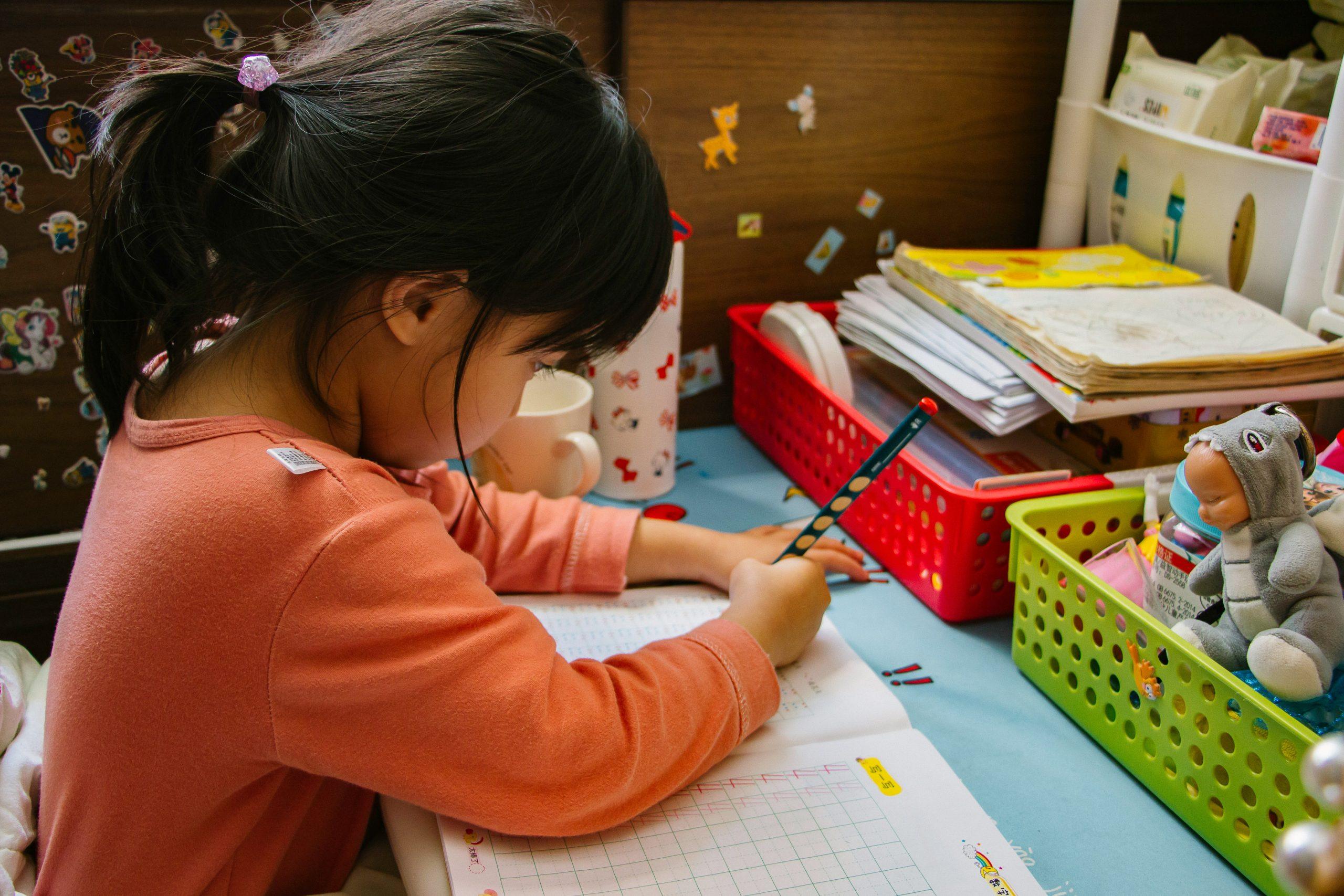
The freedom sounds appealing. Instead, the child sits in front of a blank page, changes ideas repeatedly, gathers too many supplies, or avoids beginning altogether. Parents may assume the child is unmotivated because there is no obvious difficult question to solve. In reality, open-ended assignments can require more mental work than tightly structured tasks.
The child must choose a direction, judge whether the idea is good enough, imagine the finished result, organize several steps, and decide when planning should end and action should begin. When too many possibilities remain open, starting can feel harder than completing the assignment itself.
Parents can support this process without selecting the topic, designing the project, or turning the work into an adult production. The goal is to reduce decision pressure while keeping the child responsible for the final choices.
Why “choose anything” can feel harder than a clear instruction
A narrow assignment removes many decisions. If the teacher asks for five facts about frogs, the child knows the subject, length, and general direction. An assignment that says “choose any animal and present what you learned” requires several decisions before research even begins.
The child must compare interests, predict how easy information will be to find, consider whether classmates may choose the same subject, and imagine which topic could create an interesting final project.
Adults often see freedom. Children may experience uncertainty. The child is not only completing schoolwork but also creating the structure that would normally guide the work.
The child may be searching for the perfect idea
Some children delay because they believe the first choice must be the best possible choice. They reject ordinary topics, wait for a highly original idea, or worry that another student will create something more impressive.
This search can continue long after a suitable option has appeared. Each new possibility reopens the decision, making commitment feel risky.
Parents can help by explaining that school projects rarely require the perfect topic. A workable topic that the child understands is usually more useful than an exciting idea that is too broad, too difficult, or impossible to complete on time.
A practical question is, “Which idea could you begin today with the materials and time you already have?”
Too many choices can hide the child’s real preferences
A child may begin by listing ten possible topics. Instead of creating clarity, the list becomes another source of pressure. The child compares every option against every other option and becomes less certain.
Reducing the list helps the child notice genuine interest. Ask the child to remove any idea that feels boring, requires unavailable supplies, or cannot be explained in a few clear sentences.
Once three options remain, the child can compare them using simple questions:
Which topic do I already know something about?
Which topic would I enjoy explaining?
Which one fits the assignment rules best?
Which one can be finished within the available time?
The parent guides the sorting process but does not choose the winner.
Open-ended work requires the child to imagine an invisible finish line
With a worksheet, the child can see how many questions remain. An open-ended project may not have a visible ending. The child may not know how much research is enough, how detailed the poster should be, or whether the story needs another scene.
Without a clear finish line, beginning can feel unsafe because the task might expand endlessly.
Parents can help the child translate the assignment into measurable parts. A project may require one topic, three main facts, two images, a title, and a short explanation. A story might need a beginning, a problem, one major event, and an ending.
These limits do not remove creativity. They create a container in which creativity can happen.
Start by separating decisions from production
Children often try to choose the topic, research facts, design the layout, and create the final product at the same time. Every decision interrupts the others.
A clearer sequence is:
Understand the assignment.
Choose a topic.
Decide what the project must include.
Gather information or materials.
Create a rough version.
Review and finish.
The child should complete one type of thinking before moving to the next. Choosing a poster color is unnecessary while the topic is still undecided.
Some decisions feel permanent when they do not need to be. The child may believe that choosing one idea means giving up every other possibility immediately.
Instead, the child can test an idea briefly. Spend five minutes writing what the project might include. If the child can identify several useful points and still feels interested, the topic is probably workable.
If the idea produces no clear direction, the child can test another option. This is different from changing topics repeatedly after the project has already begun.
A short test turns an abstract choice into something visible. The child does not need complete certainty before taking the first small step.
Ask questions that return ownership to the child
Parents may become impatient and begin supplying answers. “Do volcanoes. Make a model. Use red paper for lava.” The child starts moving, but the project has shifted toward the adult’s vision.
Questions preserve more ownership:
“What part of this topic interests you most?”
“What does the teacher need to understand after seeing your project?”
“Would you rather explain this with pictures, writing, or a model?”
“What is one part you can complete before dinner?”
“Which choice feels easiest to begin?”
The child still makes the decisions, but the questions narrow the mental search.
Avoid turning brainstorming into an endless activity
Brainstorming can feel productive because the child writes ideas, searches online, and discusses possibilities. Yet it can also become a safe way to delay commitment.
Set a reasonable ending point. The child might brainstorm for ten minutes, create a short list, and then choose from the remaining options.
A timer can help when used calmly. The message is not “Hurry up.” It is “Idea generation has a place, and then the project moves to the next stage.”
Let the rough version look rough
Children may resist beginning because they expect the first attempt to resemble the finished project. They write one sentence, dislike it, erase it, and return to the blank page.
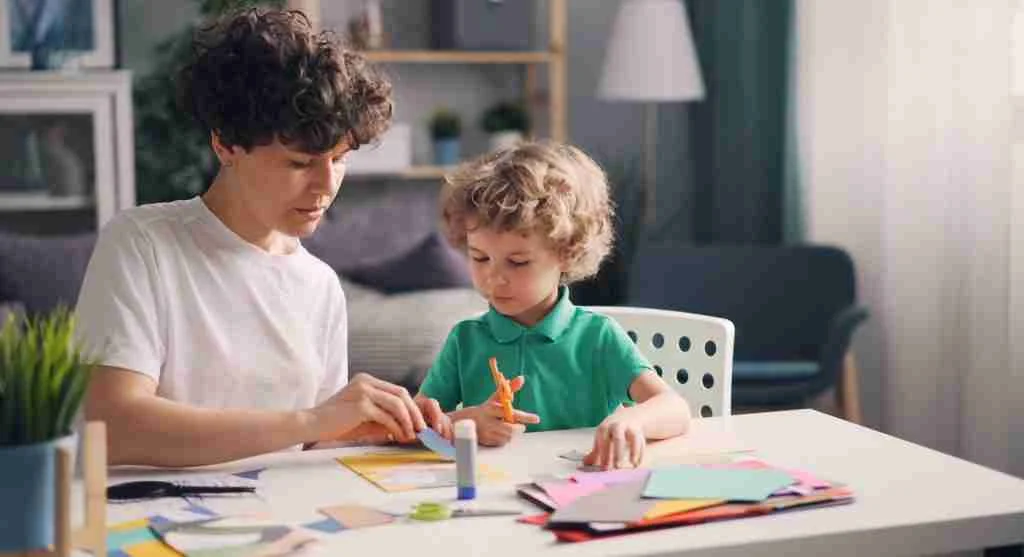
A rough version should be incomplete and imperfect. A poster may begin as boxes drawn on scrap paper. A model may begin with a quick sketch. A report may begin with bullet points rather than polished paragraphs.
Parents can remind the child that the first version is not being submitted. Its purpose is to make ideas visible enough to improve.
This distinction is especially useful for children who believe mistakes on the page are signs that the idea is wrong.
Use temporary limits to reduce design decisions
Creative assignments can involve choices about colors, fonts, images, borders, materials, size, and arrangement. These decisions can consume more time than the actual content.
Temporary limits can make the project manageable. The child may choose two colors, one type of paper, three images, or one main building material.
Limits can be widened later if the project truly needs more. Beginning with fewer choices protects attention for the content that matters most.
Check the grading guide before adding extra work
Children and parents sometimes make open-ended assignments much larger than necessary. A simple model becomes an elaborate scene. A short report expands into several pages. Decorative work continues even though the required information is incomplete.
The assignment sheet or grading guide can bring the project back into proportion. Ask what receives credit. If organization and accurate information matter most, those areas should be completed before optional decoration.
Extra effort is not always harmful, but it should be a choice made after the required work is secure.
Create a visible stopping point for each work session
“Work on your project” is too broad. A child may sit for thirty minutes without knowing when the session counts as complete.
A specific stopping point might be:
Choose the final topic.
Find three reliable facts.
Sketch the poster layout.
Write the opening paragraph.
Build the base of the model.
When the defined step is finished, the child can stop or choose to continue. Clear endings make it easier to begin because the work period no longer feels unlimited.
Protect the project from repeated adult improvements
Parents may notice uneven writing, crooked labels, simple drawings, or a design that looks less polished than other projects. Correcting every visible weakness can make the final result look better while reducing the child’s sense of competence.
Adult help should focus on understanding the instructions, creating a work plan, locating appropriate materials, and checking safety or factual accuracy. The child should make age-appropriate design choices and complete as much of the physical work as possible.
A school project should show the child’s current abilities, not the adult’s production skills.
Know the difference between support and rescue
Support helps the child perform a task that is difficult but possible. Rescue removes the challenge by doing the thinking or work for the child.
Support may include reading the instructions together, helping the child narrow a topic list, setting up a workspace, or asking what comes next.
Rescue may include selecting the topic, writing the sentences, redesigning the poster, building the model after bedtime, or replacing the child’s ideas with a more impressive plan.
A useful question for parents is, “Will this help teach the child what to do next time, or will it only make this project look better?”
Once work begins, the child may suddenly prefer another topic. This does not always mean the original choice was poor. New ideas often seem more exciting because they have not yet become work.
Parents can ask whether the current topic has a real problem or whether the child is experiencing ordinary decision regret. A real problem might be missing information, unavailable materials, or a topic that does not fit the assignment.
If the current plan remains workable, continuing usually teaches more than restarting. The child learns that commitment includes moving forward even after another option becomes attractive.
Use comparison carefully
Open-ended assignments make differences between students highly visible. One child brings a complex model, another creates a digital presentation, and another submits a simple poster.
A child may assume that the largest or most decorative project is automatically the best. Parents can redirect attention toward the assignment criteria and the child’s own explanation.
The family does not know how much adult help another project received or what resources were available. Comparing finished products rarely gives an accurate measure of learning.
Plan for materials before enthusiasm creates extra shopping
Some children imagine projects that require special equipment, large purchases, or materials that are difficult to find. Parents may feel pressured to support the creative idea by buying everything requested.
Before shopping, ask what is already available and whether common materials can serve the same purpose. Cardboard, paper, reusable containers, string, markers, and recycled items may support many school projects.
A material limit encourages problem-solving and keeps family resources from becoming part of the competition.
Break long projects into decision days and making days
A multi-day assignment becomes easier when each session has a different purpose. One day may be for choosing and planning. Another may be for research. A later session may be for creating the rough version.
This separation reduces the pressure to make every decision and complete every task at once. It also allows the child to return with fresh attention.
The family can place each stage on a calendar, leaving a small amount of time before the due date for unexpected problems.
What to do when the child still cannot choose
After reasonable discussion, some children remain stuck between several acceptable options. At that point, the goal is no longer finding the best choice. It is practicing a fair way to decide.
The child might rank the options, choose the one with the easiest first step, or select randomly from the final two. A parent can also set a boundary: “Both topics fit the assignment. You need to choose one before the timer ends.”
The child may still feel uncertain after choosing. Confidence often comes from working with the decision, not from feeling completely sure beforehand.
When repeated difficulty may need school support
Many children occasionally struggle with open-ended work. Additional support may help when the child regularly cannot begin projects, becomes severely distressed by choices, misses deadlines despite understanding the material, or requires hours of adult direction for age-appropriate assignments.
The parent can ask the teacher whether the child shows the same pattern in class. Helpful supports may include a narrower topic list, examples of finished work, intermediate deadlines, a planning template, or brief teacher check-ins.
A school counselor, learning specialist, or pediatric professional may also help when difficulty with planning, decision-making, attention, or anxiety affects several areas of daily life.
How open-ended assignments build useful life skills
These projects can be frustrating because they require more than subject knowledge. Children practice choosing among reasonable options, creating structure, estimating effort, managing uncertainty, and deciding when work is complete.
Those skills appear far beyond school. Adults regularly face tasks without one correct method or a perfectly clear starting point.
A child who learns to narrow choices, test an idea, create limits, and begin a rough version is learning how to move forward when instructions do not provide every answer.
Frequently Asked Questions
Q: Why does my child delay projects that allow free choice?
A: Open-ended projects require the child to create structure, choose among many options, imagine a finished result, and judge whether an idea is good enough before beginning.
Q: How can parents help a child choose a project topic?
A: Reduce the list to two or three workable options, compare interest and difficulty, and ask which topic can be started with the available time and materials.
Q: Should parents choose when a child cannot decide?
A: Parents should first guide the decision process. When several options are equally suitable and the child remains stuck, a firm deadline or fair selection method can help.
Q: How much should parents help with creative school projects?
A: Parents can clarify instructions, help organize steps, and provide safe materials, but the child should make the main creative decisions and complete age-appropriate work.
Q: When should difficulty starting assignments become a concern?
A: School support may help when the child regularly misses deadlines, experiences severe distress, or needs extensive adult direction for tasks the child otherwise understands.
Key Takeaway
Children often stall on open-ended assignments because freedom creates extra decisions about topic, structure, materials, quality, and when to begin. Parents can help by narrowing choices, defining a visible finish line, separating planning from production, and encouraging an imperfect first version. The strongest support makes the task manageable while leaving the child responsible for the ideas, choices, and final work.