How to Create a Family Handoff Routine When One Caregiver Takes Over
July 14, 2026
0
Many family problems begin with a missing piece of information. One caregiver does not know that the child already had a snack. Another misses the message about tomorrow’s
Many family problems begin with a missing piece of information. One caregiver does not know that the child already had a snack. Another misses the message about tomorrow’s school costume. Medication was given, but no one recorded the time. Homework is assumed to be finished, sports clothes remain in the washer, and a child is asked the same question by three different adults.
These mistakes are rarely caused by a lack of care. They usually happen because family information is passed through hurried conversations, scattered messages, memory, and assumptions. When one caregiver takes over from another, the transition may last only a few seconds even though the next person needs to understand several hours of family life.
A family handoff routine creates a dependable way to transfer the information that matters. It can be used by parents, grandparents, relatives, babysitters, separated households, or any adults who share care. The routine does not need to become a formal meeting. A short, consistent exchange can prevent confusion, repeated work, and unnecessary tension.
Why caregiver transitions create so many small problems
Family days contain many moving parts. Children eat, rest, complete school tasks, lose belongings, change moods, receive messages, and make new plans. The caregiver who has been present often carries all of this information mentally.
When another adult arrives, the first caregiver may share only the most obvious update. Important details are left out because they seem easy to remember or because the transition feels rushed. The new caregiver begins with an incomplete picture and discovers the missing information later.
The problem grows when each adult stores information differently. One uses text messages, another relies on a paper calendar, and another expects the child to explain. Without one routine, every handoff depends on memory and timing.
A handoff routine is not the same as reporting every detail
Caregivers do not need a complete record of every conversation, snack, mood, and small event. Too much information can make the important parts harder to notice.
A useful handoff focuses on details that affect the next part of the day. These usually include schedule changes, health needs, food, school responsibilities, emotional concerns, transportation, and unfinished household tasks connected to the child.
The goal is not surveillance or perfect control. It is continuity. The child should not have to start the whole day again simply because a different adult is now responsible.
Step 1: Choose a dependable transition point
A routine works better when it happens at a predictable time. Families may use the moment one caregiver returns from work, the period before another leaves, the start of an evening shift, or a scheduled phone call between households.
The handoff should happen before the departing caregiver becomes unavailable. Trying to remember important questions after that person has left often leads to repeated messages and delays.
When adults cannot speak directly, they can use a short written update completed before the transition. The method may change, but the timing should remain dependable.
Step 2: Use the same five information categories
A fixed structure prevents caregivers from forgetting important areas. Families can use five simple categories:
Schedule: Appointments, pickup times, activities, visitors, and changes.
Health: Medication, symptoms, injuries, sleep, and relevant care instructions.
School: Homework, forms, supplies, teacher messages, and upcoming needs.
Home: Meals, clothing, chores, packed bags, and unfinished tasks.
Emotional update: Conflict, worry, tiredness, excitement, or anything affecting behavior.
Using the same categories makes the handoff faster over time. Caregivers know what to listen for and what should be recorded.
Step 3: Lead with anything time-sensitive
The most urgent information should come first. If medication must be given at a certain time, a pickup location changed, or a form is due tomorrow, that detail should not be hidden at the end of a long explanation.
A simple order is: urgent, today, tomorrow, and later. This keeps immediate responsibilities visible.
Caregivers can also mark time-sensitive items clearly in the shared record. A note that says “Library book needed Friday” is easier to act on than a general reminder that school items need attention.
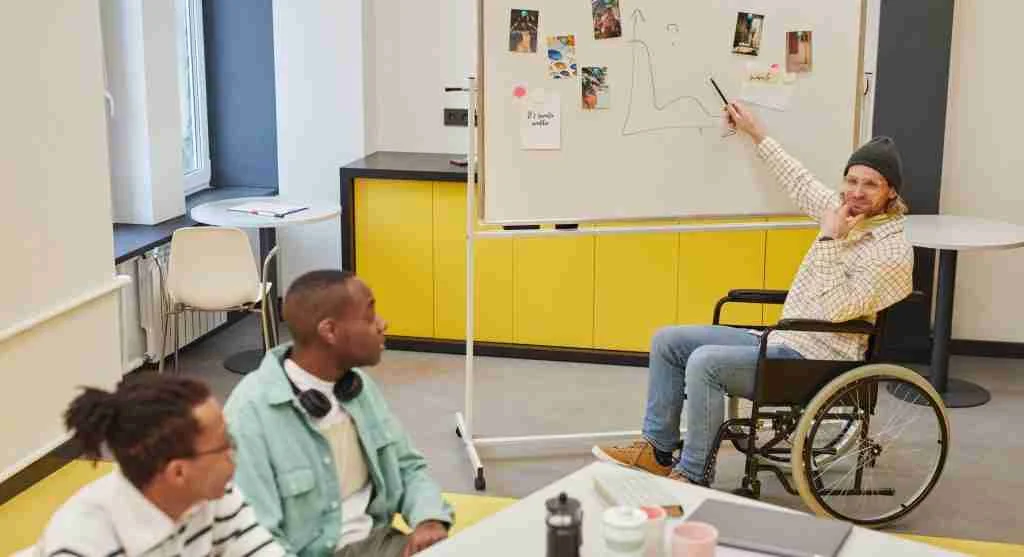
Credit:Moe Magners / Pexels | title: Effective Communication for Caregivers
Step 4: Keep one shared source of truth
Important information should not be scattered across several private messages, notebooks, and verbal reminders. Families benefit from one main place where schedules and updates are stored.
This may be a wall calendar, shared digital calendar, whiteboard, notebook, or approved family organization app. The best system is the one all caregivers can access and will actually use.
Verbal updates can still happen, but the shared record protects details that are easy to forget. A conversation may explain the situation, while the calendar or note keeps the action visible.
Step 5: Record completed care as well as future tasks
Families often write down what still needs to happen but forget to record what has already happened. This can create duplicate snacks, repeated medication, extra screen time, or two adults checking the same homework.
A brief completed-care note may include:
Medication given at 3:30
Homework checked
Child ate after school
Sports uniform washed
Teacher message answered
The update does not need to become a detailed log of ordinary life. It should cover completed actions that the next caregiver might otherwise repeat or misunderstand.
Step 6: Assign unfinished tasks to one person
Statements such as “The permission slip needs signing” may still lead to confusion because no one knows who is expected to act. Each unfinished task should have one clear owner.
The handoff might say, “Please sign the form tonight,” or “I will pack the lunch before bed.” Naming the person responsible prevents both adults from assuming the other will handle it.
If the task belongs to the child, the adult responsible for follow-up should still be clear. “Jamie needs to pack the library book, and Dad will check before school” gives the responsibility a visible ending.
Step 7: Share emotional context without labeling the child
Behavior often makes more sense when caregivers know what happened earlier. A child may be quiet after a friendship problem, irritable after poor sleep, or sensitive because a school task felt embarrassing.
The handoff should describe the situation rather than define the child. “She was upset after a disagreement with a friend” is more useful than “She has been impossible all day.”
Neutral language helps the next caregiver approach the child without carrying resentment into the transition. It also reduces the risk that one difficult period becomes the child’s identity for the rest of the day.
Step 8: Let children hear the parts that concern them
Some handoff information should remain private, especially adult disagreements or sensitive concerns. Other parts can be shared openly with the child.
A caregiver might say, “Your homework is finished, you still need a shower, and your bag is packed for tomorrow.” This gives the child continuity and reduces repeated questions.
Older children can participate by adding their own reminders, correcting practical details, or stating what they still need. Participation should not make the child responsible for carrying messages between adults.
Do not use the child as the communication system
Children are often told, “Remember to tell Dad,” or “Make sure Grandma knows.” This seems convenient, but children may forget, misunderstand, or feel caught between adults.
Important health, schedule, financial, and school information should move directly between caregivers. The child may confirm a detail, but should not be the only messenger.
This is especially important across separate households. Children should not feel responsible for preventing adult confusion or conflict.
Keep disagreements outside the handoff moment
A transition can become tense when one caregiver criticizes what the other did earlier. Questions about food, discipline, homework, or screen time may quickly turn into blame.
The immediate handoff should focus on what the next caregiver needs to know. Larger disagreements can be discussed privately later.
This protects the child from entering the next part of the day through conflict. It also prevents useful information from being lost inside an argument.
Use facts before opinions
Facts help the next caregiver make decisions. Opinions can create defensiveness.
“He watched forty minutes of television after school” is clearer than “You let him watch too much again.” “The lunchbox came home mostly full” is more useful than “She refused to eat anything.”
Facts do not remove concern. They provide a calmer starting point for discussing it.
Create a two-minute version for busy days
Some transitions are too rushed for a longer conversation. Families can prepare a short version that covers only the essentials.
A two-minute handoff might include:
One schedule update
One health or food update
One school responsibility
One emotional note
One unfinished task and owner
Anything less urgent can remain in the shared calendar or notebook. The short format prevents families from abandoning the routine completely when the day becomes busy.
Use a handoff note for babysitters and relatives
Temporary caregivers need a slightly different version. They may require emergency contacts, allergy information, medication instructions, bedtime expectations, approved activities, and the child’s location schedule.
The note should be current and easy to understand. Avoid relying on a rushed explanation at the doorway.
Include what the caregiver should do if plans change or the child becomes unwell. Clear authority reduces uncertainty and unnecessary calls.
Credit:Pavel Danilyuk / Pexels | Caption: A caregiver attentively reading a medical handover note to ensure continuity of patient care
Adapt the routine for separated households
Handoffs between households may involve clothing, school materials, medication, activity equipment, and changes in schedule. A neutral written system can reduce conflict because the necessary information is visible without requiring a long emotional exchange.
The update should remain focused on the child’s needs. Avoid adding criticism, unrelated disagreements, or messages the child may later read and feel responsible for.
A shared checklist can include what travels with the child, what must be returned, and what has changed since the previous transition.
Do not overload the arriving caregiver immediately
A caregiver returning from work, travel, or another responsibility may need a few minutes to arrive mentally. Delivering ten updates while that person is removing shoes, answering the child, and carrying bags may reduce how much information is remembered.
Families can agree on a short arrival pause followed by the handoff. Even five minutes can help the caregiver become ready to listen.
Urgent health or safety information should still be shared immediately. The pause is for routine details, not emergencies.
Review the system when the same problem keeps repeating
If caregivers repeatedly miss appointments, duplicate tasks, or forget school items, the problem may be the system rather than the people.
Families can ask:
Is the information stored in too many places?
Does the handoff happen too late?
Are tasks being mentioned without an owner?
Is the shared calendar difficult to access?
Are caregivers receiving too much information at once?
Changing one part of the routine may solve the repeated problem more effectively than asking everyone to “remember better.”
Keep the routine short enough to survive ordinary life
A handoff system that requires long forms and detailed records may work for several days, then disappear. Families usually need something simpler.
The routine should take only a few minutes during ordinary days. Longer updates can be reserved for illness, travel, school problems, or major schedule changes.
Consistency matters more than complexity. A short handoff used daily is more useful than a perfect system that no one maintains.
How children benefit from smoother caregiver transitions
Children feel the effects of adult organization even when they never see the calendar. They receive fewer repeated questions, hear fewer arguments about who forgot something, and experience more consistent limits.
They are also less likely to manipulate differences accidentally or deliberately. When caregivers share information, a child cannot easily receive two snacks, two sets of screen time, or conflicting answers simply because the adults did not know what happened earlier.
Most importantly, the child experiences continuity. The adults may change, but the care does not feel disconnected.
Frequently Asked Questions
Q: What should be included in a family handoff routine?
A: Include schedule changes, health information, meals, school responsibilities, emotional concerns, completed care, and any unfinished task that needs a clear owner.
Q: How long should a caregiver handoff take?
A: Most ordinary handoffs can take two to five minutes. More time may be needed during illness, travel, school concerns, or major schedule changes.
Q: What is the best way to record family updates?
A: Use one shared calendar, notebook, whiteboard, or approved family app that every responsible caregiver can access consistently.
Q: Should children carry messages between caregivers?
A: No. Children can participate in practical planning, but important information should move directly between adults.
Q: How can caregivers prevent conflict during transitions?
A: Share facts, focus on the child’s immediate needs, assign tasks clearly, and move larger disagreements to a private conversation later.
Key Takeaway
A family handoff routine helps caregivers transfer the information that keeps a child’s day connected. The most useful systems are short, predictable, and focused on schedules, health, school, home responsibilities, and emotional context. One shared record, clear task ownership, and direct adult communication reduce repeated work and prevent children from becoming messengers. Smooth transitions do not require perfect organization; they require a dependable way to pass the next caregiver what matters most.