Why Family Entryway Routines Can Make Daily Life Much Easier
- May 29, 2026
- 0
Family entryway routines can make daily life much easier because many household problems begin right where people enter and leave the home. Shoes pile up, bags get dropped

Family entryway routines can make daily life much easier because many household problems begin right where people enter and leave the home. Shoes pile up, bags get dropped
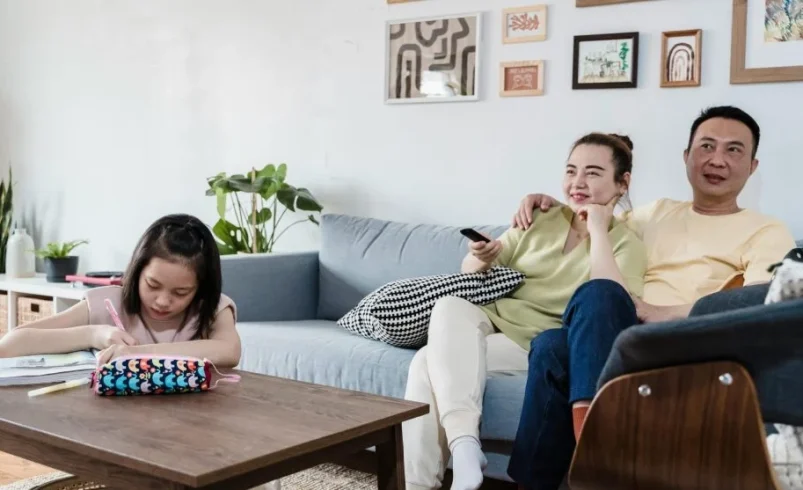
Family entryway routines can make daily life much easier because many household problems begin right where people enter and leave the home. Shoes pile up, bags get dropped in random places, papers disappear, and keys seem to move on their own. These small issues often look minor, yet they can create daily frustration during the busiest parts of the morning and afternoon.
Home organization experts often explain that entry spaces affect much more than clutter. They influence how smoothly the family starts the day, returns from school, and manages daily transitions. Strong family entryway routines can reduce searching, lower morning stress, and help the whole household move through routine changes with less tension.
The entryway is often where many daily tasks begin or end. Children come home with shoes, backpacks, lunch containers, and papers. Adults arrive with keys, bags, jackets, and mail. If that flow has no clear structure, the area quickly becomes a holding space for unfinished tasks instead of a working part of the home.
Family routine specialists often note that family entryway routines matter because they support transitions. The doorway is not only a physical location. It is where the family shifts from outside demands into home life and back again. A good routine helps those shifts feel more predictable and less chaotic.
Clutter near the door often creates stress because it affects time-sensitive parts of the day. Missing shoes, lost library books, forgotten lunch containers, and coats buried under bags often create stress at the exact moment the family needs to move quickly. This can turn a manageable morning into a rushed and emotional one.
Family wellness professionals often explain that visible clutter also raises background stress. When the first thing a person sees near the door is a pile of unfinished tasks, the home can feel less settled. Family entryway routines often help because they give these items a clear landing place instead of allowing them to spread through the house.
Children often handle transitions better when the first steps are obvious. If the family has a routine for shoes, coats, papers, and bags, returning home becomes easier to manage. The child does not need to guess what happens first. That predictability often lowers resistance and helps the whole household settle more quickly.
Child development specialists often note that daily transitions can feel hard because children are already shifting attention and emotion at the same time. Family entryway routines support those moments by removing extra uncertainty. The routine itself begins to guide behavior before adults even need to give reminders.
Family experts often notice that the most useful entry spaces are not always the most decorative ones. They are the ones that match how the household actually moves. If the family usually enters through the garage or side door, the working routine needs to live there, not only in a formal front hallway that rarely gets used.
Experts in home organization often explain that family entryway routines work best when they are built around real behavior. A hook used every day helps more than a beautiful storage basket nobody reaches. Practical systems usually outperform attractive systems when the family is tired, rushed, or carrying too many things at once.
Entryway routines often fail when the area has storage but not enough clarity. One large basket may hold everything, but it can also hide everything. Children usually do better when bags go on hooks, shoes go in one defined area, papers go in one tray, and jackets have an obvious place. Clear storage lowers the number of decisions people need to make during rushed moments.
Home routine professionals often note that family entryway routines become stronger when every common item has a consistent home. This makes follow-through easier for both children and adults. It also reduces repeated questions about where things belong.
Morning stress often begins long before the family actually leaves. If the entry area is already disorganized from the day before, the next morning starts with extra friction. Shoes are not matched, papers are not ready, and the bag still needs packing. A stronger routine at the door can prevent many of these problems before the morning begins.
Family organization experts often recommend treating the entryway as part of preparation, not only part of storage. When bags are ready, coats are visible, and daily items are in place, the morning routine becomes more about moving forward than solving problems under pressure.
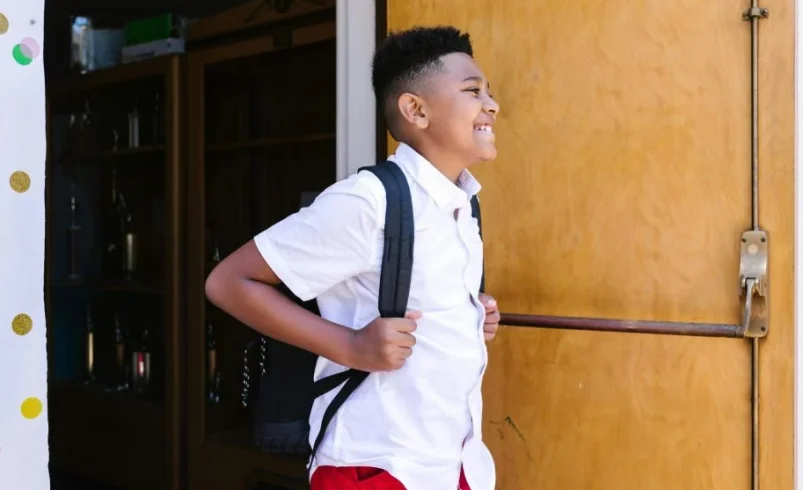
The after-school moment often sets the tone for the rest of the day. If children drop everything randomly and move on, the evening usually inherits that disorder. If the home has a short entryway routine after school, the family often starts the afternoon in a more organized way. This may mean hanging the bag, placing papers in one tray, removing shoes, and moving lunch items to the kitchen.
Family therapists often explain that children usually adapt better to evenings when the return-home routine feels familiar. Family entryway routines can help the home feel calmer because they provide a short reset between school demands and the rest of family life.
Family entryway routines often weaken when the space holds too many unrelated items, when storage is hard for children to use, or when the routine depends on memory alone. The system can also fail if adults expect the area to stay organized without any short daily reset. Even a good setup needs light maintenance to stay useful.
Experts in daily family systems often recommend paying attention to what keeps going wrong. If papers disappear, the paper step needs work. If shoes scatter, the shoe system may be too vague. Practical adjustment usually helps more than repeating the same reminders.
Families often make the best progress when they keep the routine short. The goal is not to create a complex system with too many steps. It is to make arrival and departure more manageable. A few predictable actions done the same way each day often help more than a larger system that becomes hard to maintain.
Experts in family wellness often note that family entryway routines usually become easier to keep when children have one clear role and adults model the same pattern. Repetition matters. Over time, the routine often becomes part of the household rhythm instead of something that needs constant explanation.
Q: Why do family entryway routines matter so much?
A: Family entryway routines matter because they support daily transitions, reduce clutter, and make it easier to manage shoes, bags, coats, keys, and papers.
Q: What should a family entryway routine include?
A: Many family entryway routines include a place for shoes, backpacks, coats, papers, and other daily essentials needed for arrival and departure.
Q: How can family entryway routines reduce morning stress?
A: They reduce morning stress by making important items easier to find and by preventing last-minute searching during the most rushed part of the day.
Q: Should children help with entryway routines?
A: Yes, many children can help by hanging up bags, placing shoes in one spot, and putting papers where they belong as part of the daily routine.
Family entryway routines can make daily life much easier by creating a simple system for the items and transitions that happen near the door every day. Strong routines reduce clutter, lower morning stress, and help children move more smoothly between outside demands and home life. The most useful systems are usually clear, practical, and easy to repeat. Over time, family entryway routines can make the whole household feel more organized and less rushed.