Why Children Start Wanting More Privacy During the School-Age Years
May 29, 2026
0
Many parents notice that children start wanting more privacy during the school-age years, even in small everyday ways. A child may want the bedroom door partly closed, may
Many parents notice that children start wanting more privacy during the school-age years, even in small everyday ways. A child may want the bedroom door partly closed, may stop sharing every detail about school, or may become more protective of personal items, drawings, or conversations. These changes can feel surprising because the child still seems young in many other parts of daily life.
Child development experts often explain that when children start wanting more privacy, the shift usually reflects normal growth rather than emotional distance. School-age children are building a stronger sense of self, a clearer inner world, and a growing need to manage some thoughts and experiences more independently. Understanding why children start wanting more privacy can help families protect trust while keeping healthy family communication strong.
Why children start wanting more privacy during normal development
Children often begin wanting more privacy as soon as they become more aware of themselves as separate people. During the school-age years, thinking becomes more reflective. Children notice preferences, feel embarrassment more easily, compare themselves to others, and begin caring more about how they are seen. Privacy often grows alongside that self-awareness.
Researchers in child development stages often note that privacy is not only about hiding something. It is often about creating emotional space. A child may want a little more control over personal thoughts, quiet time, or belongings because that helps support a growing sense of identity. This is one reason children start wanting more privacy even while still needing daily support in many other areas.
How school-age years shape a stronger inner world
The school-age years often bring more complex thinking about friendship, fairness, personal skill, and social life. A child may begin to think more privately about mistakes, worries, or comparisons with peers. That inner processing can make some children less likely to talk immediately about everything that happened during the day.
Family therapists often explain that children start wanting more privacy because inner life becomes more active and more personal during this stage. The child may not be withdrawing from the family. The child may simply be learning how to hold thoughts internally before deciding whether to share them.
Why children start wanting more privacy at home first
Home is usually the safest place for children to test new boundaries. A child may ask for privacy in the bedroom, may want to handle dressing alone, or may say that some things feel personal. These requests often appear first in the family setting because that is where children feel secure enough to experiment with more independence.
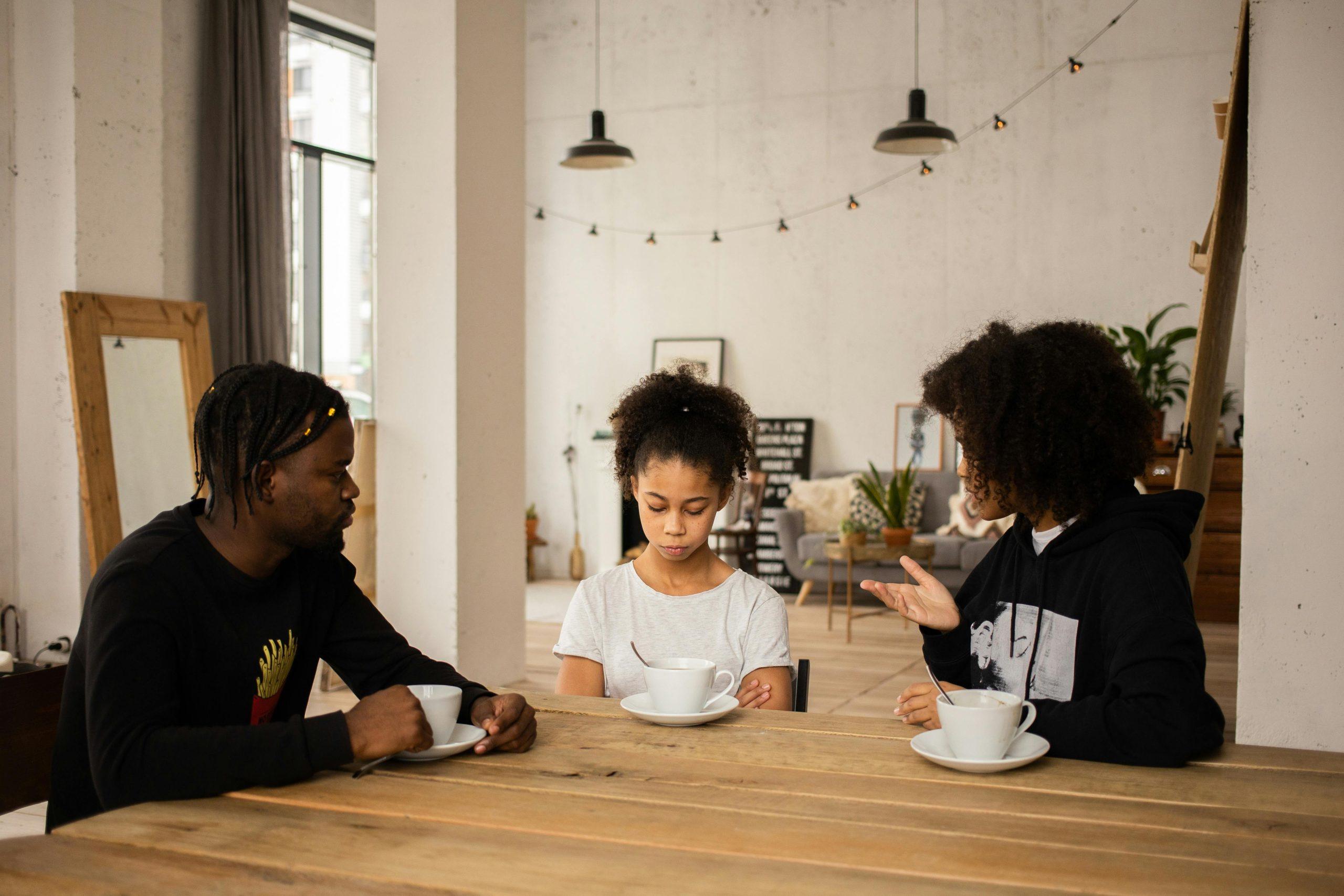
Experts in healthy family relationships often note that school-age children usually still want connection even when they want more privacy. The need for quiet space does not automatically mean the child wants emotional distance. In many cases, the child is trying to balance closeness with a growing need for personal control.
Why privacy can become more important around feelings and friendships
As children move through the school-age years, friendships often carry more emotional weight. A child may feel embarrassed about a peer issue, unsure how to explain a conflict, or uncertain about sharing something that feels socially sensitive. In these moments, privacy may feel protective.
Child development specialists often explain that children start wanting more privacy around feelings because emotions become more layered. A younger child may speak quickly about a problem. An older school-age child may need time to sort out what the feeling means before talking. This can look like secrecy to adults even when the child is simply processing more deeply.
How embarrassment and self-consciousness affect privacy needs
Embarrassment often becomes stronger during the school-age years. Children may care more about changing clothes privately, making mistakes in front of others, or having personal work looked at before they feel ready. A request for privacy may be tied to protecting dignity rather than blocking family closeness.
Family wellness professionals often note that children start wanting more privacy when self-consciousness grows faster than confidence. A child may need room to try, think, or recover privately before feeling ready to invite others back in. Respectful adult responses often help reduce shame rather than increase it.
What family experts recommend when children start wanting more privacy
Family experts often recommend treating privacy as a developmental signal, not automatically as a threat to connection. This means responding calmly to reasonable requests for personal space, modesty, or quiet time while keeping family routines and safety expectations clear. A child can have more privacy without the family losing healthy involvement.
Experts in family trust often explain that children start wanting more privacy more safely when adults avoid overreacting. If every privacy request is treated as suspicious, the child may become more guarded. If every request is accepted without guidance, the child may lose helpful structure. A balanced response usually protects both trust and adult responsibility.
How families can support privacy without weakening communication
Privacy and communication do not have to compete. Families often do best when they protect some personal space while also keeping regular moments of connection in place. Shared meals, bedtime conversation, walks, or calm after-school check-ins can help the child feel close to the family without feeling watched all the time.
Family communication experts often note that children start wanting more privacy but still need reliable openings for conversation. A child may not answer big questions on demand, yet may speak more freely during side-by-side moments with less pressure. Good family communication often depends on respecting timing as much as content.
Wanting more privacy is often a normal part of development, but patterns still matter. If a child suddenly withdraws from all family contact, shows strong distress, or seems fearful rather than simply more private, families may need to look more closely at stress, school difficulties, or emotional strain. The key difference is often whether the child still remains connected overall.
Professionals who work with families often encourage adults to look at the full pattern, not only one behavior. Children start wanting more privacy in healthy ways when they still show warmth, participate in daily routines, and return to connection in familiar ways. Reasonable privacy and ongoing trust can exist together.
How privacy needs can become healthy life skills
Learning how to have privacy in healthy ways can help children build self-respect, emotional awareness, and better boundaries. A child who learns that personal space and family trust can exist together may become more comfortable speaking up about needs, limits, and feelings later on.
Experts in child development often explain that children start wanting more privacy not because they are leaving the family behind, but because they are developing a stronger sense of self within it. Guided well, this stage can support maturity, not distance. That is why calm adult support matters so much.
Frequently Asked Questions
Q: Why do children start wanting more privacy during the school-age years?
A: Children often start wanting more privacy because self-awareness, embarrassment, independent thinking, and emotional complexity all grow during the school-age years.
Q: Is wanting more privacy a sign that a child is pulling away from the family?
A: Not always. In many cases, it reflects normal growth and a need for personal space, not emotional rejection of the family.
Q: How can parents respect privacy without losing connection?
A: Parents often do best by respecting reasonable personal space while keeping regular low-pressure moments of family communication and shared routines in place.
Q: When should parents be more concerned about privacy changes?
A: Parents may want to look more closely if privacy changes are sudden, extreme, or paired with strong withdrawal, distress, or a major drop in normal family connection.
Key Takeaway
Children start wanting more privacy during the school-age years because self-awareness, independent thinking, and emotional complexity are all growing at the same time. Family experts usually recommend respecting reasonable privacy while protecting steady communication and trust. Privacy does not have to mean disconnection. Over time, this stage can help children build stronger boundaries and a healthier sense of self within the family.