Why Children Collect Tiny Objects and Treat Them Like Treasures
- July 12, 2026
- 0
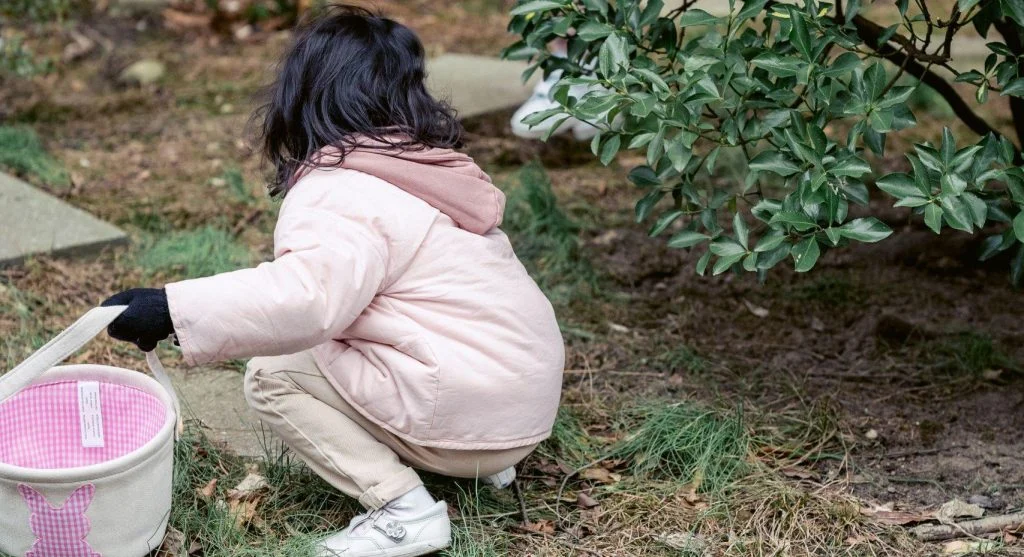
A child returns from a walk with three stones, one bent bottle cap, a feather, and a leaf that is already beginning to crumble. Another child keeps tiny



A child returns from a walk with three stones, one bent bottle cap, a feather, and a leaf that is already beginning to crumble. Another child keeps tiny
A child returns from a walk with three stones, one bent bottle cap, a feather, and a leaf that is already beginning to crumble. Another child keeps tiny toy pieces, smooth bits of glass, old tickets, stickers, beads, wrappers, and buttons in a drawer that seems to have no clear purpose. To an adult, these objects may look like clutter. To the child, each one may feel valuable.
Children often collect things that have little financial worth and strong personal meaning. The object may remind them of a place, represent a category they are studying, feel interesting in the hand, or simply look different from everything around it. Collecting gives children a way to notice, choose, organize, and control a small part of their world.
The habit can become frustrating when collections spread across bedrooms, pockets, backpacks, and household surfaces. Still, the solution is usually not to throw everything away without discussion. Parents can support the developmental value of collecting while creating limits that keep the home manageable.
Young children are constantly learning how objects are similar and different. One rock is rough while another is smooth. One leaf is wide while another is narrow. A button may have two holes, four holes, or an unusual shape.
When children collect these objects, they are often practicing classification without realizing it. They compare color, size, texture, weight, pattern, and shape. These are early thinking skills that also appear in science, mathematics, reading, and problem-solving.
The collection may look random to an adult, but the child may see a clear connection. Every object might be shiny, found near water, shaped like a circle, or small enough to fit inside one hand.
Children live in a world where most important objects belong to adults. The house, furniture, car, kitchen tools, and family technology are controlled by someone else. A pocket-sized collection can feel different.
The child chose the objects, remembers where they came from, and decides how they should be arranged. That sense of ownership can be especially meaningful during stages when children are seeking more independence but still have limited control over daily decisions.
A collection offers a small personal territory. Even a simple box of stones can become something the child understands, manages, and values independently.
An old ticket may remind a child of a family outing. A shell may represent a holiday. A tiny plastic ring may come from a day spent with a friend. The child may not tell the full story each time the object appears, but the memory can still be attached to it.
Adults often keep photographs, souvenirs, cards, and gifts for similar reasons. Children may simply choose less conventional objects. A crumpled paper bracelet can carry more emotional value than an expensive toy because it is linked to a particular experience.
This is why throwing away an object that appears meaningless can produce a surprisingly strong reaction. The adult sees the item. The child may be protecting a memory.
For some children, the real pleasure comes from finding. They enjoy scanning the ground, checking corners, opening drawers, or noticing what other people overlook.
The search rewards attention. A child may feel proud after finding a heart-shaped stone or a button in an unusual color. The object becomes proof that careful observation led to a discovery.
This can help explain why the child keeps bringing home new items even when similar ones already exist. The newest object represents a fresh moment of success, not merely another addition to the pile.
Collected objects do not always remain ordinary objects. A stone may become a character, a feather may become a magical tool, and a group of bottle caps may become pieces in an invented game.
Children often use small items as open-ended materials because they are not limited to one purpose. A commercial toy may already tell the child how it should be used. A shell, bead, or piece of wood can become almost anything.
This flexibility supports imagination. The collection may move between sorting, storytelling, building, pretend play, and decoration depending on the child’s idea that day.
Adults may offer a logical solution when a collection becomes crowded: keep the best examples and remove the rest. Children do not always agree because duplicates may not feel identical to them.
Two similar stones may come from different places. One damaged toy piece may be connected to an old game. A faded wrapper may be the first item in the collection, making it more important than a cleaner one.
Children may also struggle with deciding. Choosing what to remove can feel like accepting that one object matters less than another. When every item has a story, reducing the collection becomes emotionally harder than parents expect.
Some children repeatedly line up, group, count, or rearrange their collections. This activity can feel soothing because it has clear rules and predictable results.
The child may organize objects by color one day and size the next. Unlike many social and school situations, the collection does not argue, rush, or change unexpectedly. The child controls the order.
Sorting can therefore become a quiet reset after a busy day. Parents may notice the child turning to the collection during boredom, stress, or periods of high stimulation.
A collection can become a natural learning project. Children may research rock types, identify leaves, count coins, study stamps, compare shells, or learn where certain objects were made.
Parents do not need to turn every collection into a lesson. Too much adult direction can remove the child’s sense of ownership. A few curious questions are often enough.
An adult might ask, “How did you decide which group that belongs in?” or “Which one was hardest to find?” These questions invite thought without taking control of the collection.
The habit becomes difficult when tiny objects spread through the whole home. A clear storage boundary protects the collection and the household.
The child might use one drawer, shelf, tray, tackle box, jar, or set of small containers. The space should fit the size and type of collection. Fragile nature items may need a flat box, while beads and buttons may work better in divided containers.
The boundary can be simple: collected items must fit inside the chosen space. When it becomes full, the child decides what to remove, display, use in a project, or store elsewhere with permission.
Children often collect items quickly and decide their value later. A temporary holding box gives new finds a waiting period before they enter the main collection.
The child can place objects there after a walk, outing, or school day. Once a week, the family can review the box. Some items may still feel special. Others may no longer seem important after the excitement of discovery has passed.
This approach reduces immediate arguments because the parent does not have to decide at the doorway whether every leaf, paper scrap, or stone can remain forever.
Not every discovered object belongs indoors. Sharp metal, broken glass, unknown substances, food waste, insect nests, and items covered in dirt or mold may be unsafe.
Families can create non-negotiable rules. Objects must be safe to touch, clean enough to store, legally and ethically collected, and free of living creatures.
Children should also learn that some natural objects should remain where they are. Plants, eggs, nests, protected shells, or items inside parks and historic areas may not be appropriate to remove.
The child can photograph an object instead of taking it. This preserves the discovery without damaging the environment or bringing a problem home.
When clutter becomes frustrating, adults may be tempted to clean the drawer or empty pockets without involving the child. This solves the physical problem quickly but can damage trust.
Secret removal teaches the child that personal belongings are not secure. The child may respond by hiding collections more carefully or refusing to discard anything in the future.
Whenever possible, include the child in decisions. Parents can keep firm limits while still saying, “This box is full, so we need to choose what stays.” The boundary remains real, but the child retains a role in the process.

Displaying a few items can help children appreciate the collection without covering every surface. A small shelf, shadow box, tray, or rotating display gives selected objects more importance.
The child might choose five favorites for the month, then replace them later. This teaches curation, which means selecting and presenting meaningful items rather than keeping everything visible at once.
Rotating the display can also make older objects feel interesting again. The child may rediscover forgotten items and decide naturally that some are no longer needed.
Some collections become easier to manage when objects are used. Stones can be painted, leaves can become prints, buttons can be added to art, and tickets can be placed in a scrapbook.
The child may create a pattern board, memory collage, miniature museum, sorting chart, or story scene. Using selected items gives them a second life and can reduce the number that must remain loose in storage.
Parents should ask before using anything important. An adult may see craft material while the child sees a protected treasure.
Discarding can be taught gradually. Start with items that are damaged, unsafe, or no longer remembered. The child might choose one object to release each time a new group enters the collection.
Taking a photograph before letting go can help when the object carries a memory. The family may also create a “last look” tray where uncertain items stay for one week before a final decision.
The goal is not to make the child emotionally detached. It is to build the ability to choose, prioritize, and accept that keeping everything is not always possible.
Parents can communicate two truths at once: the collection matters to the child, and the household needs limits.
A useful statement might be, “I know these objects are important to you. They need to stay inside your collection drawer so the floor and table remain clear.” This validates meaning while protecting shared space.
Boundaries are easier to follow when they are consistent. If the child is sometimes allowed to cover the dining table for several days and sometimes told to clear it immediately, conflict becomes more likely.
Some collections begin with found objects and later shift toward constant requests to purchase more. Commercial collecting can involve trading cards, miniature toys, figures, or limited-edition items.
Families may need rules about spending, duplicates, advertising, and how often new items are added. Children should understand that collecting does not require completing every set.
A budget, wish list, or waiting period can reduce impulse buying. The child may save allowance, choose one item for a special occasion, or trade approved duplicates rather than expecting adults to fund every addition.
Collecting is common and usually harmless. Closer attention may be useful when the child experiences extreme distress if any object is moved, keeps unsafe or unhygienic items, hides large amounts of clutter, or cannot use the room normally because collections have taken over.
Families may also seek guidance if discarding even ordinary rubbish causes severe panic, if collecting creates major conflict across settings, or if the behavior appears linked to intense anxiety.
A pediatric professional or qualified child specialist can help families understand whether the pattern reflects ordinary development, stress, sensory interest, anxiety, or another need.
Early collections may include almost anything small and interesting. As children grow, their interests often become more focused. They may move toward coins, sports cards, books, minerals, figures, postcards, or items connected to a favorite topic.
Older children can take more responsibility for storage, research, spending, and deciding what remains. They may create digital records, label objects, or learn how to protect fragile items.
What begins as a pocket full of stones can develop into organization, research, creativity, and long-term curiosity. Even when the collection eventually disappears, the skills practiced through it can remain.
Q: Why do children collect random tiny objects?
A: Children may collect small objects to practice sorting, preserve memories, explore textures and patterns, create imaginative play, or enjoy a sense of ownership.
Q: Should parents allow children to keep every object they find?
A: No. Families can set limits based on safety, cleanliness, available space, and where the object came from while still respecting the child’s interest.
Q: How can parents stop collections from creating clutter?
A: Give the collection one defined storage area, use a temporary holding box for new finds, and review the contents regularly with the child.
Q: Is it okay to throw away a child’s collection secretly?
A: Secret disposal can damage trust. It is usually better to involve the child in choosing what stays while keeping firm household boundaries.
Q: When can collecting become concerning?
A: Closer attention may help when collections include unsafe items, block normal use of space, create severe distress, or cannot be reduced without extreme anxiety.
Children often collect tiny objects because the habit supports observation, memory, ownership, imagination, and early organization skills. Parents can respect the meaning of these collections while setting clear limits around safety, cleanliness, spending, and storage. One defined collection space, regular sorting, and gradual practice with letting go can protect both the child’s interest and the family home.