Why Some Children Write Notes Instead of Saying Difficult Things Out Loud
- July 17, 2026
- 0
A parent may find a folded note on the pillow, a message pushed under a bedroom door, or a short text sent from another room. The child who




A parent may find a folded note on the pillow, a message pushed under a bedroom door, or a short text sent from another room. The child who
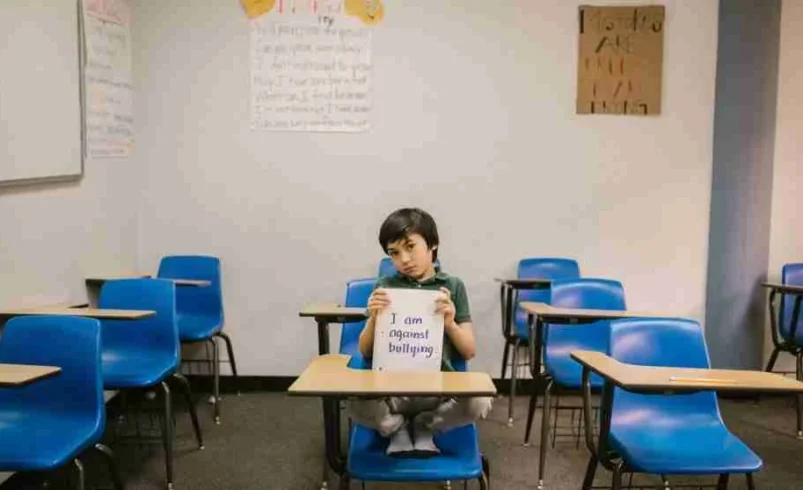
A parent may find a folded note on the pillow, a message pushed under a bedroom door, or a short text sent from another room. The child who gave one-word answers during a face-to-face conversation may suddenly write several honest sentences about school, friendship, anger, embarrassment, or something that happened at home.
This form of communication can confuse adults. Parents may wonder why the child could not simply say the same words aloud. They may worry that written communication is avoidant, overly dramatic, or less sincere than a direct conversation. For many children, writing creates the space needed to organize a complicated thought. It removes the pressure of being watched, interrupted, or expected to respond immediately.
The child can choose the words, change them, pause, and finish the message before another person reacts. A note does not always replace conversation. It may be the bridge that makes conversation possible. When parents treat the written message as a meaningful first step, children are more likely to continue communicating rather than hide the issue completely.
During a difficult conversation, children must do more than explain what happened. They may also watch the parent’s face, predict whether the adult will become angry, decide how much detail is safe to share, and answer questions before they have finished organizing the story.
This creates a heavy communication load. A child may know the main idea but lose access to the words once the conversation begins. The child may shrug, say “nothing,” become defensive, or leave the room. Writing separates the message from the immediate reaction. The child can focus on one task: getting the thought onto paper or a screen.
Difficult events do not always arrive in the child’s mind in a neat sequence. The child may remember the embarrassing ending first, then a comment from the beginning, followed by a detail that changes the meaning of everything.
When speaking, this disorganized recall can make the child feel misunderstood. An adult may interrupt to ask for clarification before the child has reached the important part.
A written note allows the child to rearrange the story. The child can cross out a sentence, add a missing detail, or decide which part the parent should read first. That control can make a confusing experience easier to explain.
Children often study adults closely. A raised eyebrow, sudden silence, deep breath, or change in voice may be interpreted as anger even when the parent is only surprised. If the topic involves a mistake, broken rule, friendship problem, poor grade, or embarrassing question, the child may fear seeing disappointment appear on the adult’s face.
Sending a note creates distance from that first reaction. The child may hope the parent will have time to process the information before responding. This does not necessarily mean the child is trying to avoid responsibility. The child may be trying to remain calm enough to communicate at all.
A child may feel comfortable saying, “I am angry,” but struggle to say, “I felt left out,” “I was jealous,” or “I thought you liked my sibling more.” Vulnerable emotions can feel risky because they reveal how much something mattered.
Writing offers privacy during the moment of naming the feeling. The child does not have to say the words while another person is watching.
Once the message has been read and accepted calmly, the child may become more willing to discuss the same feeling aloud.
Some children speak quickly when upset. They may use extreme words, interrupt, or move from one complaint to another. The real message becomes buried under the intensity.
Writing naturally slows the process. The child must choose each sentence and may notice that one phrase sounds harsher than intended. This creates a chance to revise before the message reaches the other person.
Parents can use writing in the same way. A brief written response may help an adult avoid reacting emotionally before understanding the whole issue.
A child may lose courage if the parent’s first response is, “Why could you not tell me this normally?” The child may hear that the form of communication matters more than the concern.
Begin with the content. A parent might say, “I read your note. I am glad you found a way to tell me.” This does not mean every issue will be resolved through notes forever. It shows that reaching out was worthwhile.
The parent can discuss communication methods later, after the child feels heard and the immediate concern has been addressed.
Adults may react strongly to the first surprising sentence and begin asking questions immediately. If the child is nearby, the interruption can prevent the parent from seeing the full message.
Read to the end first. The child may explain the context, request a specific kind of help, or clarify that there is no immediate danger.
When the note is unclear, the parent can ask a small number of calm questions rather than beginning an intense investigation.
If the child wrote because speaking felt overwhelming, demanding an immediate face-to-face discussion may close communication again.
A parent may begin with a short written reply:
The response should be brief enough that the child is not faced with another long message to process. The goal is to create safety for the next step.
Children may communicate more fully when they know they have some control over the setting. The parent can offer two or three realistic options. The child might choose to talk while walking, sit side by side rather than face to face, answer questions in writing, or have the parent speak while the child listens first.
The choice should not allow serious issues to disappear indefinitely. It should make the necessary discussion more manageable. A parent might say, “We need to deal with this tonight. Would you rather talk after dinner, write back and forth for a while, or sit together while I ask only a few questions?”
A child may assume the message is private. Showing it to relatives, siblings, or friends without explanation can damage trust.
Sometimes another responsible adult must be involved. A teacher, counselor, caregiver, or health professional may need relevant information. When possible, tell the child before sharing and explain why.
The parent can also share only the necessary part instead of forwarding the entire note. Respecting privacy teaches the child that written honesty will be handled carefully.
Some notes reveal that the child broke a rule, hid information, or made a poor choice. Parents may focus so quickly on consequences that the act of disclosure receives no recognition.
Both parts can be addressed. A parent can say, “There will be a consequence for what happened, and telling me was still the right decision.”
This distinction is important. Children should not learn that honesty removes all accountability, but they also should not learn that disclosure only makes the situation worse.
A difficult note is not a school assignment. Correcting spelling or commenting on messy writing can make the child feel that presentation matters more than meaning.
Even if the note is hard to read, ask for clarification respectfully. “I want to make sure I understood this word” sounds different from criticizing how the message was written.
Children often write emotional notes quickly. The purpose is communication, not polished work.
Some families use a shared notebook for questions, concerns, requests, and messages that are difficult to say aloud. This can be helpful when the notebook has clear boundaries.
The family should decide where it is stored, who may read it, how quickly a response can be expected, and which issues require immediate verbal attention.
The notebook should not become a place for insults, long accusations, or avoiding every uncomfortable discussion. It works best as an opening tool that helps family members move toward respectful problem-solving.

Writing can be a useful bridge, but children also need practice speaking about needs, mistakes, and feelings. The transition does not have to happen all at once.
The child may begin by reading the note aloud. Another option is for the parent to summarize the message and ask whether the summary is correct. The child might then answer only one or two questions verbally.
Over time, the amount of writing may decrease as confidence grows. The goal is not to remove a successful communication tool. It is to add more options.
Children sometimes write long messages filled with anger because they do not know how to organize the concern. A simple structure can make the note clearer:
For example: “You changed the weekend plan after I made arrangements. I felt ignored and embarrassed. I want us to discuss changes before telling other people.”
This format encourages direct communication without requiring perfect emotional language.
A parent who reacted poorly may find it useful to leave a brief written apology. The note should not replace changed behavior, but it can begin the repair.
A useful apology identifies the action, acknowledges the impact, and explains what will happen differently. For example: “I interrupted you and raised my voice. That made it harder for you to explain. I will listen to the full story before responding tonight.”
When adults use writing responsibly, children see that the method is not only for avoiding trouble. It can support thoughtful communication across the whole family.
Some messages require immediate action. A note about threats, abuse, self-harm, unsafe contact, severe bullying, running away, or fear of returning to a location should not remain inside a slow written exchange.
The parent should check the child’s immediate safety, stay calm enough to gather essential information, and involve appropriate professional or emergency support when needed.
Children should know in advance that adults cannot promise secrecy when someone may be in danger. The parent can still protect the child’s dignity and share information only with people who need to help.
Using notes sometimes is different from being unable to speak about any disagreement or need. Families may want extra support when a child communicates only through writing, becomes unable to answer basic follow-up questions, or experiences intense distress during ordinary conversations.
It may also help to look more closely when the child repeatedly writes alarming messages but refuses all forms of support, or when school and peer communication are affected in the same way.
A school counselor, pediatric professional, or qualified child specialist may help identify anxiety, communication differences, family conflict, or another factor making spoken conversation especially difficult.
Children are more likely to talk when they expect a fair process. Parents can improve that process by allowing the child to finish, avoiding rapid questioning, keeping voice volume steady, and separating understanding from consequences.
Timing matters too. A child may communicate better during a walk, car ride, quiet task, or calm part of the evening than immediately after a stressful event.
The strongest invitation is not “You can tell me anything.” It is a repeated pattern in which the parent hears difficult information without humiliating the child, sharing it carelessly, or turning every conversation into a lecture.
Q: Why does my child write notes instead of talking to me?
A: Writing may help the child organize thoughts, avoid immediate social pressure, control the order of the message, and express feelings that are difficult to say while being watched.
Q: Should parents insist on a face-to-face conversation?
A: Important issues may eventually need direct discussion, but forcing it immediately can close communication. Parents can begin in writing and move gradually toward talking.
Q: What should a parent say after receiving an emotional note?
A: Begin by confirming that the note was read, thanking the child for reaching out, and explaining the next calm step without immediately criticizing or demanding details.
Q: Is a shared family communication notebook a good idea?
A: It can be helpful when privacy, response times, respectful language, and situations requiring immediate adult attention are clearly defined.
Q: When does a written message require immediate action?
A: Immediate attention is needed when the note mentions danger, threats, abuse, self-harm, unsafe contact, severe bullying, or fear that someone may be harmed.
Children may write notes about difficult feelings because writing reduces immediate pressure and gives them control over their words, timing, and emotional exposure. Parents can protect this communication path by reading fully, responding calmly, respecting privacy, and offering manageable choices for what happens next. Writing does not have to replace conversation. It can be the first safe step toward a more open and honest family discussion.